Coin Mint Marks: What the Letters on Your Coin Mean
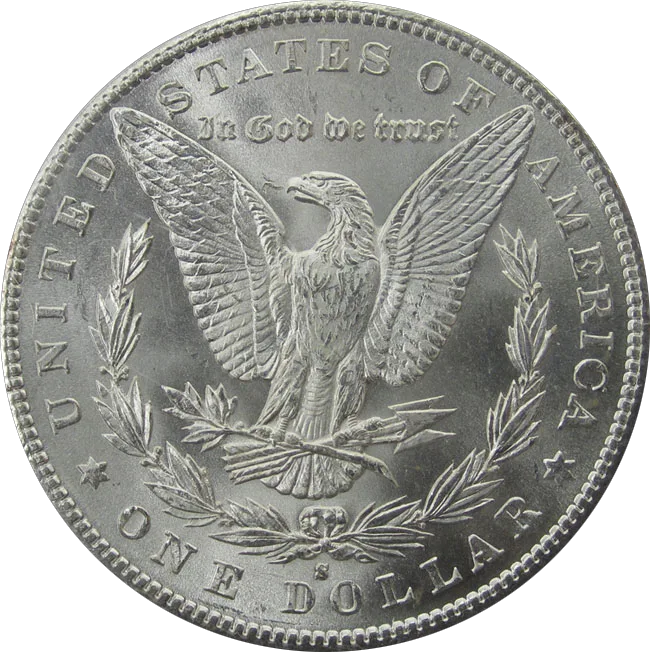
That tiny letter stamped near the date on your coin is one of the most important details a collector can read. It is the mint mark—a single letter (or, in one famous case, two) that records exactly which United States Mint facility struck the coin. A “D,” an “S,” a “CC,” or no letter at all can mean the difference between a coin worth face value and one worth hundreds or thousands of dollars.
Mint marks confuse new collectors more than almost any other feature. Where do you look? Why do some coins have a letter and others don’t? Why does an “O” make a coin special but a “P” usually doesn’t? And how can a missing letter sometimes be worth more than a present one? This guide answers all of it.
Below you will learn every mint mark ever used on U.S. coinage, the history and personality of each mint, exactly where to find the mark on every common denomination, how mint marks drive value and rarity, the surprising story of the Philadelphia “P,” and the famous error coins where the mint mark is doubled, re-punched, or missing entirely. By the end, you will be able to pick up any U.S. coin and read its origin like a pro.
What Is a Mint Mark?
A mint mark is a small letter placed on a coin to identify the mint facility that produced it. The United States has operated several mints over its history, sometimes simultaneously, and the mint mark lets collectors, historians, and the government itself trace any given coin back to the building where it was struck. A letter is only one way to do this: Indian coins use a diamond, a star, or a dot below the date instead of an initial, so the same information can arrive as a symbol rather than a letter.
The practice began for a very practical reason: accountability. When the U.S. Mint opened its first branch facilities in 1838, the Treasury needed a way to know which branch had produced a given batch of coins—especially gold and silver pieces—so that any problems with weight or fineness could be traced to the responsible mint. The mint mark was the answer, and it has been a standard feature of American coinage ever since (with a few notable gaps we will cover later).
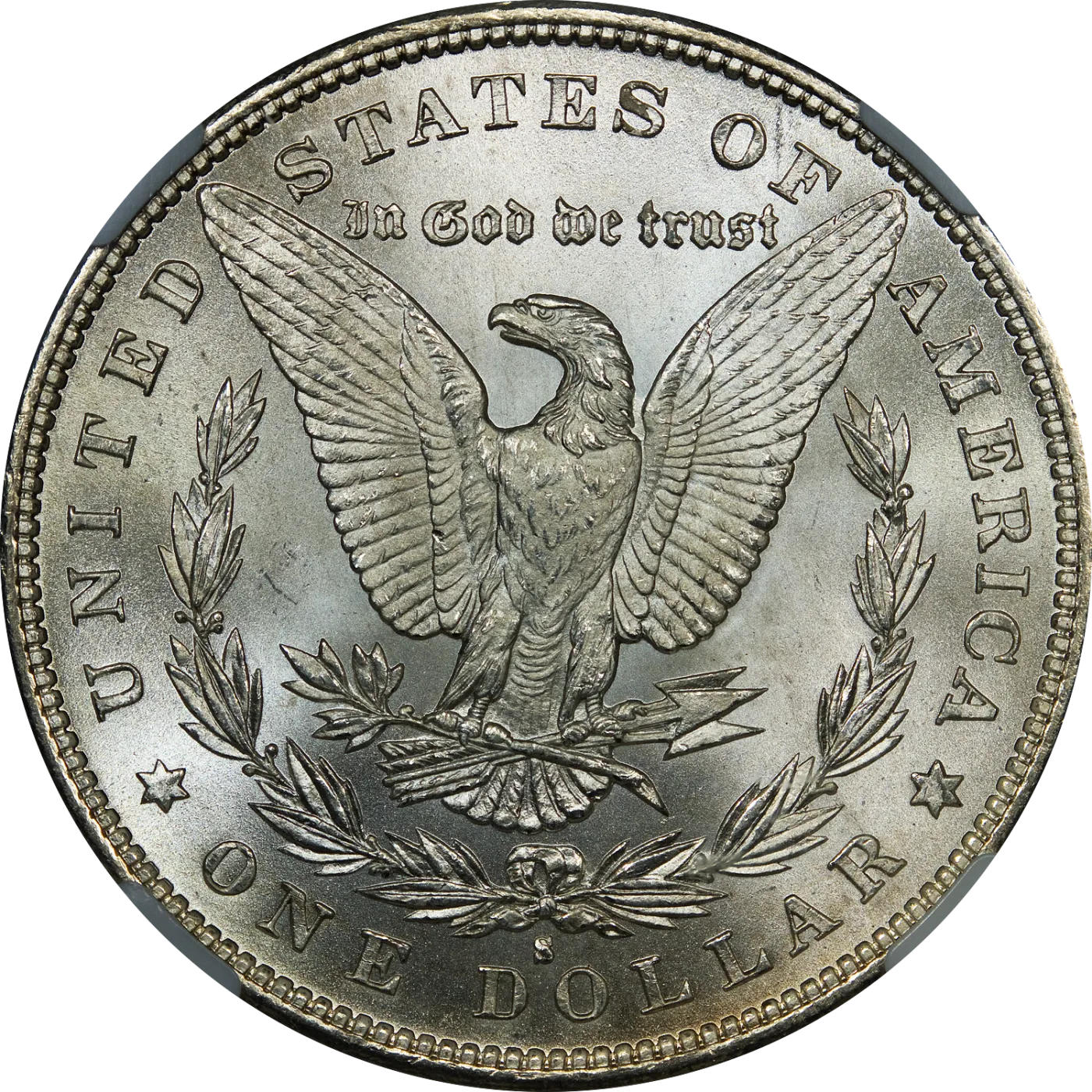
For collectors today, the mint mark matters because mintage figures—the number of coins struck—vary enormously from one mint to another in any given year. A date that is common from one mint can be a genuine rarity from another. The mint mark is therefore not a decorative flourish; it is a core part of a coin’s identity, every bit as important as the date itself. A “1893 Morgan dollar” is nearly meaningless to a collector until you add the mint mark, because the Morgan Silver Dollar struck in San Francisco that year is a common coin while the Carson City example is one of the most prized issues in the entire series.
Mint Mark vs. Designer Initials
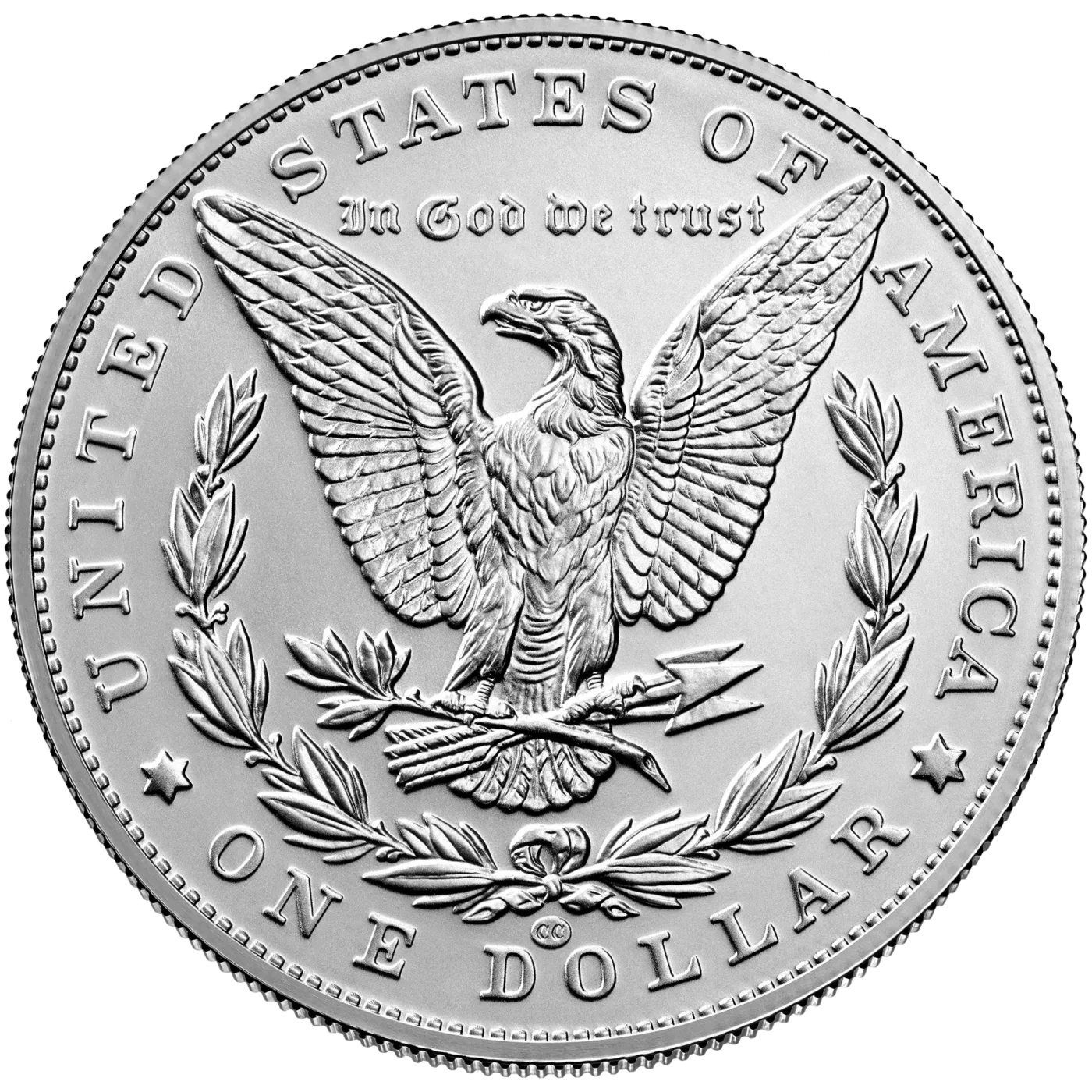
Beginners frequently confuse the mint mark with the designer’s initials, which also appear as small letters on many coins. The two are completely different. Designer initials credit the artist who created the coin—“VDB” for Victor David Brenner on the Lincoln cent, “FG” for Frank Gasparro, “AW” for Adam Pietz, and so on. They appear in a fixed spot determined by the design and have nothing to do with where the coin was made. The mint mark, by contrast, is a separate, smaller letter placed in its own designated location and is the only letter that tells you the mint of origin. We will pinpoint exactly where the mint mark sits on each denomination below so you never confuse the two. A third thing can occupy the same spot and is neither: a privy mark, a small commemorative device placed where a mint mark would sit. Modern anniversary issues use them, so a historic-looking mint letter on a coin with modern surfaces is worth a second look — there is an example photographed further down.
Every U.S. Mint Mark and What It Means
Across more than two centuries, the United States has used eight distinct mint marks. Some are still in use today; others belong to long-closed branch mints whose coins are now scarce and historic. Here is the complete roster.
The Four Active Mint Marks
These are the letters you will encounter on modern coins:
- P — Philadelphia, Pennsylvania. The original and “mother” mint, operating since 1793. For most of its history, Philadelphia coins carried no mint mark at all—the “P” is a relatively recent addition, as we will explain.
- D — Denver, Colorado. Operating since 1906. Denver is one of the two main workhorse mints for everyday circulating coinage.
- S — San Francisco, California. Operating since 1854. Today San Francisco strikes mainly proof coins for collectors, though it has produced circulating coins in many eras.
- W — West Point, New York. The newest mint mark, first appearing in 1984. West Point specializes in bullion and commemorative coins in gold, silver, and platinum.
The Four Historic Mint Marks
These letters appear only on older coins from mints that have since closed:
- CC — Carson City, Nevada. The only two-letter mint mark, used from 1870 to 1893. Carson City struck gold and silver coins from the Comstock Lode silver strike. “CC” coins are among the most romanticized and collectible in American numismatics.
- O — New Orleans, Louisiana. Used 1838–1861 and again 1879–1909. New Orleans produced gold and silver coins and is famous for many key Morgan dollar and Seated Liberty issues.
- C — Charlotte, North Carolina. Used 1838–1861, and only on gold coins. Charlotte served the gold fields of the southern Appalachians.
- D — Dahlonega, Georgia. Used 1838–1861, and only on gold coins. This is the great mint-mark trap: the Dahlonega “D” looks identical to the Denver “D,” but the two mints never operated at the same time. Any “D” on a gold coin dated 1838–1861 is Dahlonega; the Denver “D” did not exist until 1906.
That overlap between Dahlonega and Denver is the single most important quirk to remember. Because Dahlonega closed in 1861 and Denver opened in 1906, there is a 45-year gap with no possibility of confusion. If a “D” gold coin predates the Civil War, it is a scarce Dahlonega piece; if it dates from 1906 onward, it is Denver.
A Short History of Each Mint
Understanding the story behind each facility makes its mint mark far more meaningful—and helps you remember which letter goes with which place.
Philadelphia (P) — The Mother Mint, 1793
Authorized by the Coinage Act of 1792, the Philadelphia Mint was the first federal building erected under the Constitution. As the original and principal mint, it had no need for a distinguishing mark for most of its history—if a coin had no mint mark, everyone understood it came from Philadelphia. This is why the “P” is such a latecomer to the lettering system, a story we tell in full below.
New Orleans (O) — Gateway Gold and Silver, 1838
One of the three original branch mints, New Orleans struck coins to serve the cotton economy and the port’s heavy flow of foreign silver. It closed at the outbreak of the Civil War in 1861, briefly fell under Confederate and state control, then reopened in 1879 and ran until 1909. New Orleans coins—particularly its dollars and half dollars—are staples of type and date collections.
Charlotte (C) and Dahlonega (D) — Gold Rush Mints, 1838
The discovery of gold in the southern Appalachians spurred Congress to place two small mints close to the source. Charlotte, North Carolina, and Dahlonega, Georgia, struck only gold coins—dollars, quarter eagles, half eagles, and three-dollar pieces. Both closed in 1861 and never reopened. Their low mintages make virtually every Charlotte and Dahlonega coin scarce today, and they are a beloved specialty within early U.S. gold coin collecting.
San Francisco (S) — The Gold Rush Powerhouse, 1854
Born from the California Gold Rush, the San Francisco Mint quickly became a major producer of gold and silver coinage for the West. It survived the 1906 earthquake (the granite “Granite Lady” building famously withstood the disaster) and continued striking circulating coins into the 1950s. Since the late 1960s, San Francisco has focused on proof coinage—the mirror-finish collector coins sold in annual sets—though it has occasionally struck circulating coins and special issues.
Carson City (CC) — Silver of the Comstock, 1870
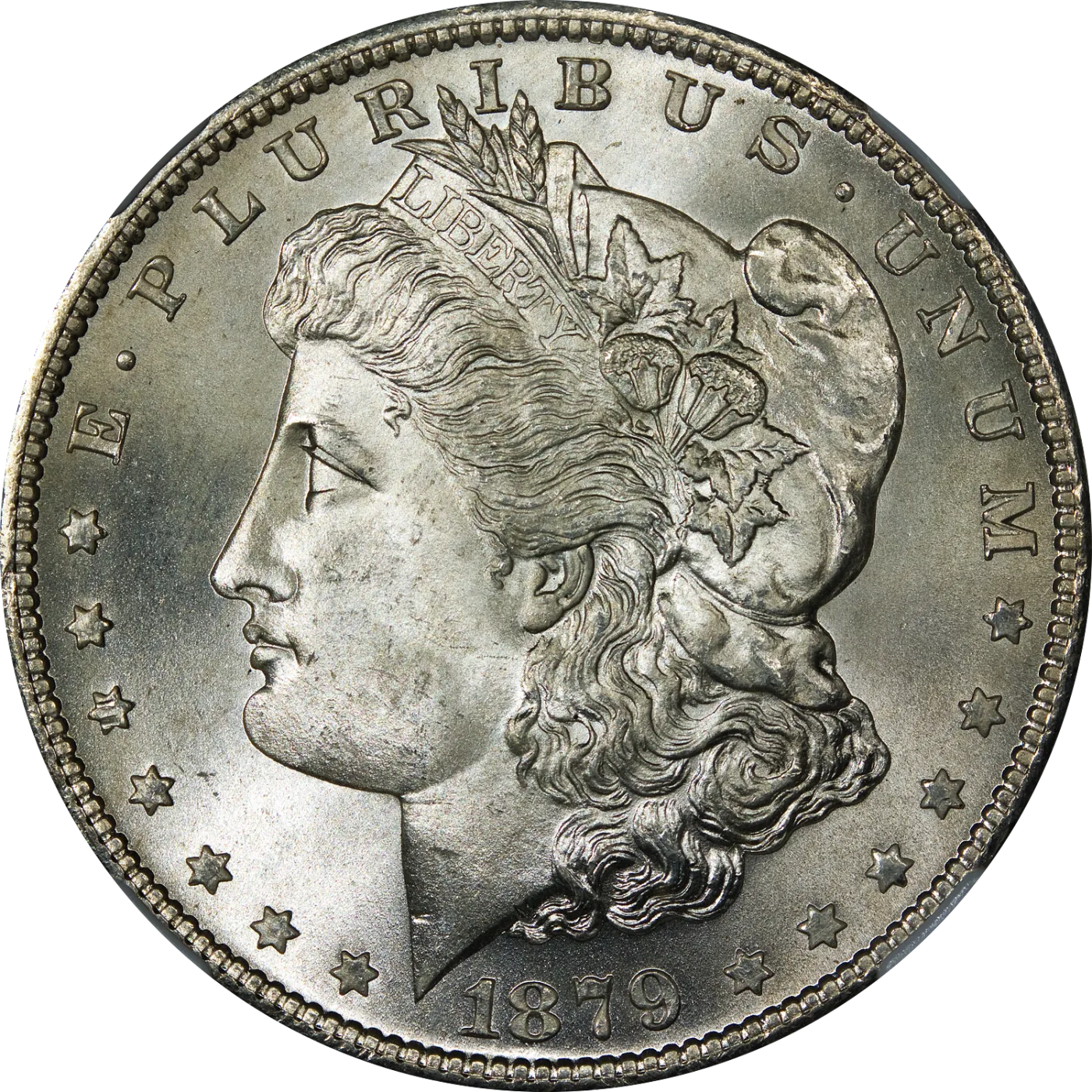
No mint mark carries more romance than “CC.” The Carson City Mint was built in Nevada specifically to coin the staggering silver output of the Comstock Lode. Operating only from 1870 to 1893, it produced a relatively small number of coins, and many of its issues—Morgan dollars, Seated Liberty pieces, and the Trade Dollar among them—are now legendary. Because so few were struck and so many were melted, even common-date Carson City coins command strong premiums today.
Denver (D) — The Modern Workhorse, 1906
Denver began as an assay office in the Colorado mining country and was upgraded to a full mint in 1906. Together with Philadelphia, it produces the bulk of America’s everyday circulating coinage. Its “D” is the letter you are most likely to find in pocket change—just remember the pre-1861 gold-coin exception for Dahlonega.
West Point (W) — Fort Knox of Bullion, 1984
Originally a storage depository for silver bullion, the West Point facility began striking coins and received official mint status in 1988. Its “W” appears chiefly on precious-metal pieces—American Gold Eagles, Silver Eagles, Platinum Eagles, and commemoratives. A handful of “W” coins have also slipped into circulation as deliberate collector hunts, most famously the 2019 West Point quarters.
Where to Find the Mint Mark by Denomination
The single most common question new collectors ask is simply: where do I look? The answer depends on the denomination and the era, because the mint placed its mark in a spot dictated by each coin’s design. Below are the locations for the modern circulating denominations you are most likely to be holding. A magnifier or loupe of 5x to 10x makes the job far easier, since mint marks are small and can be faint on worn coins.
Lincoln Cent (Penny)
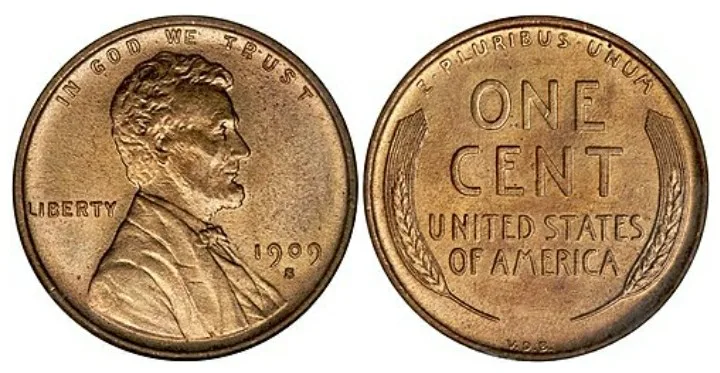
On the obverse (heads side), look directly below the date, on the right side of the coin. This has been the mint mark’s home since the cent debuted in 1909, spanning the wheat, memorial, and shield reverses. If there is no letter below the date, the cent is almost certainly from Philadelphia. The history of these placements is covered in depth in our guides to the Lincoln Wheat Penny and later Lincoln Memorial cent.
Jefferson Nickel
The nickel is the trickiest because its mint mark has moved three times. On nickels from 1938 to 1942, look on the reverse, to the right of Monticello. During World War II (mid-1942 through 1945), the so-called “war nickels” carry a large mint mark—including the first-ever “P”—above the dome of Monticello on the reverse. From 1946 to 1967 the mark returned to the right of Monticello, and from 1968 onward it sits on the obverse, near the date (at the base of Jefferson’s bust). The war-nickel placement is so distinctive that it is the easiest way to spot those silver-content Jefferson Nickels at a glance.
Roosevelt Dime
On dimes from 1946 to 1964, the mint mark is on the reverse, at the base of the torch, to the left. From 1968 onward it moved to the obverse, above the date. (No mint marks appear on dimes from 1965 to 1967, for reasons explained in the next section.) This obverse location is where you will find the famous 1982 “no-P” error and the special 1996-W issue described later, both detailed in our Roosevelt Dime guide.
Washington Quarter
On quarters from 1932 to 1964, the mint mark is on the reverse, below the eagle, beneath the wreath. From 1968 onward it sits on the obverse, to the right of Washington’s ponytail, behind his neck. Modern State, America the Beautiful, and other quarter programs keep the mark in this obverse location. See the Washington Quarter guide for the full timeline.
Half Dollars and Dollars
On the Kennedy half dollar, the mint mark sits on the obverse, above the date, between Kennedy’s neck and the “WE TRUST” inscription (1968 onward; earlier Kennedy and Franklin halves carry it on the reverse). On the Eisenhower dollar and the small-size dollars that followed—Susan B. Anthony, Sacagawea, and Presidential—the mint mark appears on the obverse near the date or rim. The 1979 Susan B. Anthony dollar is historically important here, because it brought the “P” back to American coinage, as covered in our Susan B. Anthony Dollar guide.
Older Coins: A General Rule
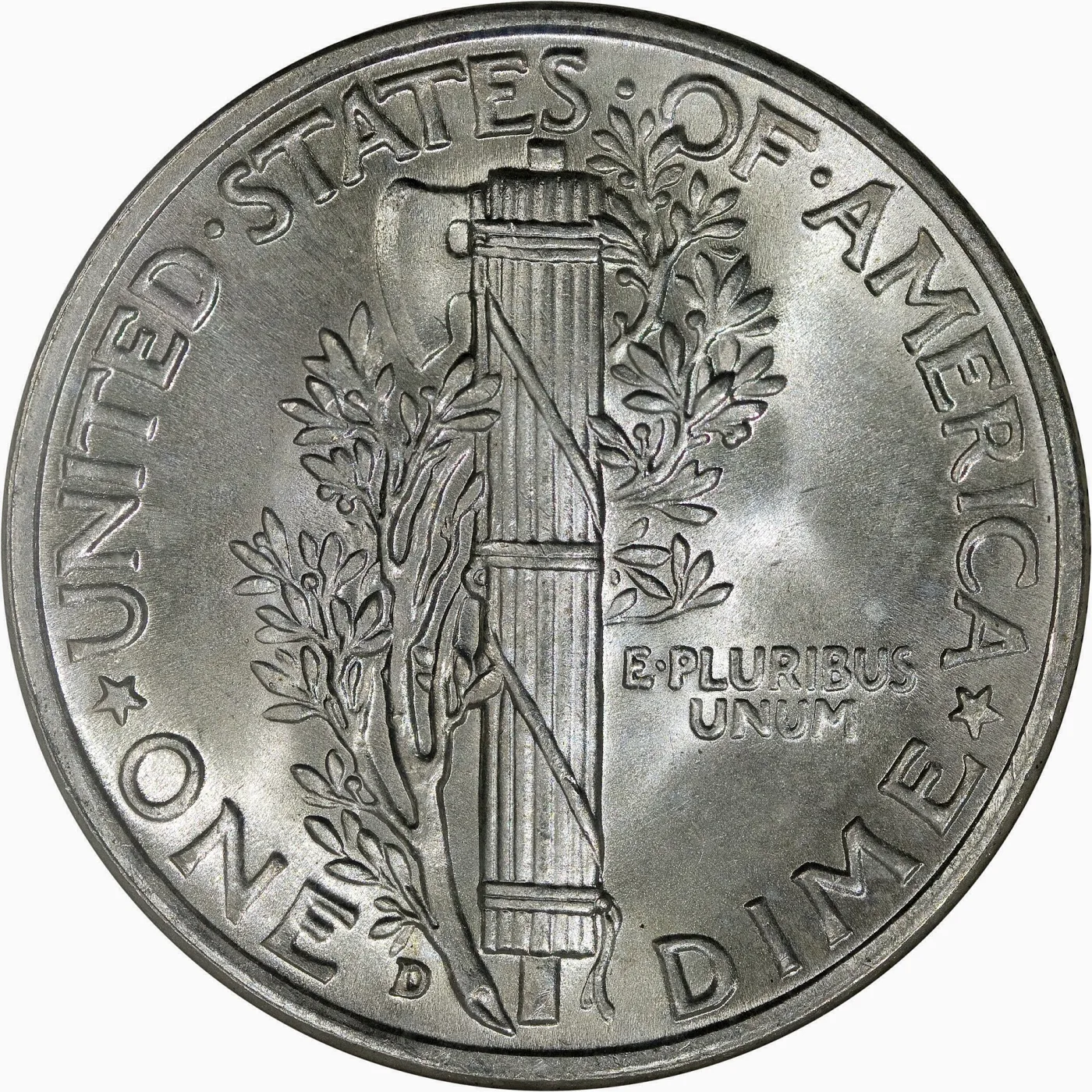
For most U.S. coins struck before 1965, the mint mark is on the reverse. There are too many individual designs to list exhaustively, but the pattern holds across Barber coinage, Mercury dimes, Walking Liberty halves, and the silver dollars. The Standing Liberty quarter is the notable exception: its mint mark sits on the obverse, to the left of the date, which is worth knowing before you go looking for it while working out which type the coin is. On a Mercury Dime, for example, the mint mark is on the reverse to the left of the fasces. When in doubt with a pre-1965 coin, examine the reverse first—most often near the bottom rim, beside or beneath the central device.

Why the Location Moved: Reverse to Obverse
If you have noticed that older coins carry the mint mark on the back while newer coins carry it on the front, you have spotted one of the most important transitions in modern U.S. coinage. The change happened because of a coin shortage and an anti-hoarding policy in the mid-1960s.
The 1965–1967 Mint Mark Blackout
In the early 1960s, rising silver prices led the public to hoard silver coins, draining them from circulation and worsening a nationwide coin shortage. As part of its response—and to discourage collectors from pulling specific dates and mints out of circulation—the Mint removed all mint marks from coins dated 1965, 1966, and 1967. During those three years, every circulating coin, regardless of where it was struck, bears no mint mark at all. This is why you should never assume a 1965–1967 coin without a letter came from Philadelphia; it could have been struck in Denver or San Francisco just as easily.
The 1968 Move to the Obverse
When mint marks returned in 1968, the Mint relocated them from the reverse to the obverse across the denominations. The obverse placement made the marks easier to apply and inspect during the modern high-speed minting process. Since 1968, virtually all U.S. circulating coins carry their mint mark on the front, typically near the date. So the rule of thumb is clean and useful: pre-1965, look on the reverse; 1965–1967, expect no mint mark; 1968 and later, look on the obverse near the date.
The Strange Story of the Philadelphia “P”
Of all the mint marks, the Philadelphia “P” has the oddest history—and understanding it clears up an enormous amount of beginner confusion. For most of American history, Philadelphia coins carried no mint mark. As the original and primary mint, Philadelphia was the default; a blank space where a letter might be simply meant “made in Philadelphia.”
The First “P”: The 1942 War Nickel
The “P” made its very first appearance in 1942, and for a specific reason. During World War II, nickel was a critical war material, so the five-cent coin’s composition was changed to a silver-manganese-copper alloy. To make these special wartime coins easy to identify and eventually withdraw, the Mint placed a large mint mark above Monticello on the reverse—and for Philadelphia, that meant a “P,” the first time the mother mint had ever marked its coins. When the war ended and the normal nickel alloy returned in 1946, the “P” disappeared again.
The “P” Returns for Good
The “P” stayed off America’s coins until 1979, when it reappeared on the new Susan B. Anthony dollar. Beginning in 1980, the “P” was extended to all circulating Philadelphia coins from the nickel up through the half dollar. The lone holdout was—and still is—the cent.
The Cent Exception (and the 2017 Surprise)
To this day, the Lincoln cent struck in Philadelphia carries no mint mark as a rule. There is exactly one exception in the entire run: in 2017, to celebrate the 225th anniversary of the United States Mint (founded in Philadelphia in 1792), the Mint placed a “P” on every Philadelphia cent for that single year. The 2017-P cent is therefore the only Philadelphia Lincoln cent to bear a mint mark—a fun, low-cost coin to seek out in change.
The practical takeaways are worth committing to memory: a nickel, dime, quarter, half, or dollar from 1980 or later with no mint mark is unusual and worth a second look (it may be an error), while a cent with no mint mark is completely normal and means Philadelphia—unless it is dated 2017, in which case it should have a “P.”
No Mint Mark: What It Really Tells You
A coin with no mint mark is not a mystery and is rarely an error—in most cases it simply means Philadelphia. But “no mint mark” carries different meanings depending on the era, and reading it correctly is essential.
- Before 1980 (most denominations): No mint mark almost always means Philadelphia. This is the historical norm.
- 1965–1967 (all denominations): No mint mark is universal and tells you nothing about origin—every coin of these years lacks one, regardless of mint.
- 1980 and later (nickel through dollar): No mint mark is abnormal. A modern dime, quarter, or nickel that should carry a “P” or “D” but shows nothing may be a genuine and valuable error—more on those below.
- Lincoln cents (any year except 2017): No mint mark is normal and means Philadelphia.
The big misconception to avoid is the blanket claim that “no mint mark always means Philadelphia.” It usually does, but the 1965–1967 blackout and the post-1980 error coins are important exceptions that can dramatically change a coin’s value.
How Mint Marks Drive Value and Rarity
The reason collectors obsess over mint marks comes down to one word: mintage. Each mint struck a different quantity of coins for any given date, and those quantities can differ by orders of magnitude. A mint mark therefore tells you not just where a coin was made but, indirectly, how scarce it is likely to be.
Branch Mints and Key Dates
The low-output branch mints—Carson City, Charlotte, Dahlonega, and often New Orleans and early San Francisco—produced far fewer coins than Philadelphia. As a result, the most valuable issues in many series are defined by their mint mark. The famous “CC” Morgan dollars, the rare “O” and “S” Seated Liberty coins of the Seated Liberty dollar series, and virtually every Charlotte and Dahlonega gold piece owe their value chiefly to a single letter.
Same Date, Wildly Different Value
It is entirely common for two coins of the same date and design to differ in value by a factor of ten, a hundred, or more—solely because of the mint mark. The 1893 Morgan dollar is the textbook case: the Philadelphia and San Francisco issues are obtainable, while the 1893-CC and especially the 1893-S are among the keys of the series. The same logic runs through the Barber, Standing Liberty, and Walking Liberty series. This is exactly why a mint mark must always be recorded alongside the date when you catalog or appraise a coin.
Building a Set: Date-and-Mint Collecting
Most serious collectors pursue coins “by date and mint mark,” meaning they seek one example of every date from every mint that struck it—a far larger and more challenging goal than simply collecting one of each date. A complete date-and-mint set of Buffalo Nickels or Mercury dimes, for instance, requires tracking down the scarce branch-mint issues that give the series its difficulty and its prestige. Mastering mint marks is the price of admission to this style of collecting. If you are still learning how condition factors into value, our coin grading guide pairs naturally with this one.
Mint Mark Errors and Varieties
For most of the 20th century, mint marks were punched into each working die by hand, one die at a time, by a Mint employee using a hand punch and a mallet. This labor-intensive process created abundant opportunities for mistakes—and those mistakes produced some of the most collectible varieties in American numismatics. (The Mint switched to applying mint marks to the master die in the late 1980s/1990s, which largely ended these hand-punch varieties on modern coins.)
Repunched Mint Marks (RPM)
A repunched mint mark occurs when the worker struck the punch more than once and the impressions did not perfectly align, leaving a doubled or shifted letter. RPMs show secondary outlines, ghost images, or a letter that appears split. Popular RPMs—like several on Lincoln cents and Jefferson nickels—carry meaningful premiums and are eagerly hunted by variety specialists.
Over Mint Marks (OMM)
Sometimes a die punched with one mint mark was later re-punched with a different letter, usually because dies were shipped between facilities. The result is one mint mark stamped over another—such as a “D over S” or “S over D.” These over-mint-mark varieties, abbreviated OMM, are dramatic and historically revealing, since they document the physical movement of dies between mints.
Misplaced and Tilted Mint Marks
Because the placement was done by eye, mint marks sometimes ended up tilted, set too high or low, or oddly spaced. While minor variations are common and carry little premium, well-documented misplacements can attract specialist interest. All of these hand-punch varieties—RPMs, OMMs, and misplacements—sit within the broader world of error coins and varieties, which is well worth exploring if mint-mark mistakes capture your interest.
Valuable “Missing Letter” Error Coins
Some of the most famous error coins in U.S. history involve a mint mark that should be present but is missing—or one that was accidentally obliterated. Counterintuitively, the absence of a letter can make a coin dramatically more valuable than a normal example. Here are the headline cases every collector should know.
1922 “No D” Lincoln Cent
In 1922, all Lincoln cents were struck at the Denver Mint—Philadelphia struck none that year. Every 1922 cent should therefore carry a “D.” But heavily worn and over-polished dies obliterated the mint mark on some coins, producing the celebrated “1922 No D” cent. Because a genuine no-D example is the only way to own a 1922 cent without a mint mark, it is a major key, with strong examples commanding four and even five figures. (Beware: weak strikes and altered coins are often passed off as the real thing—authentication matters.)
1982 “No P” Roosevelt Dime
The 1982 no-P dime is the most accessible major mint-mark error, because it is the rare case of a missing-mint-mark error on a circulating coin you can still find in change. A Philadelphia obverse die was put into service without its “P” mint mark, and the oversight escaped inspection. Thousands entered circulation. Unlike the proof “No S” errors below, this one can turn up in an ordinary roll, making it a favorite target for roll hunters.
The “No S” Proof Coins
San Francisco strikes the nation’s proof coins, all of which should carry an “S.” On rare occasions, a proof die was prepared without the “S,” producing extraordinary rarities—the 1968, 1970, 1975, 1983, and other “No S” proof dimes, plus various no-S proof cents, nickels, and quarters of specific years. The 1975 No S Roosevelt dime is one of the rarest and most valuable modern U.S. coins, with only a tiny handful known. These errors appear only in proof sets, never in pocket change.
Special “W” Hunts
The West Point “W” has also been used to create deliberate collector excitement. The 1996-W Roosevelt dime was issued only inside that year’s special mint set to mark the dime’s 50th anniversary, and in 2019 the Mint struck a small number of “W” quarters for each America the Beautiful design and released them straight into circulation—the first-ever circulating “W” coins, sparking a nationwide treasure hunt.
How to Read a Mint Mark Step by Step
Here is a simple, repeatable process for finding and interpreting the mint mark on any U.S. coin:
- Identify the coin and its date. Knowing the denomination, design type, and year tells you which era’s rules apply.
- Apply the era rule. Pre-1965, look on the reverse; 1965–1967, expect no mint mark; 1968 and later, look on the obverse near the date.
- Go to the specific spot. Use the per-denomination locations above—below the date on a cent, near the date on modern coins, beside the central device on older reverses.
- Use magnification and good light. A 5x–10x loupe and a bright, raking light reveal faint or worn mint marks and help you tell a true mark from a scratch or a designer’s initials.
- Read the letter—or its absence. Record the mint mark right next to the date (for example, “1916-D”). If there is no letter, decide what that means for the coin’s era using the rules above.
- Check for varieties. Look closely for doubling, an underlying second letter, or an obliterated mark—any of which could signal a valuable RPM, OMM, or “no mint mark” error.
With practice this takes only seconds. The hardest part for beginners is simply knowing where to look, and the location rules above solve that.
Common Mistakes and Misconceptions
A few persistent myths trip up new collectors. Clearing them up will make you a sharper identifier.
“No Mint Mark Always Means Philadelphia”
Usually true, but not always. The 1965–1967 coins all lack mint marks regardless of origin, and a missing mint mark on a post-1980 nickel-through-dollar coin may be a valuable error rather than a Philadelphia product. Context—the date and denomination—decides the meaning.
“The Designer’s Initials Are the Mint Mark”
They are not. Initials like “VDB,” “FG,” or “JF” credit the artist and sit in a fixed design location; the mint mark is a separate, smaller letter in its own spot. Confusing the two is one of the most common beginner errors, especially on cents and nickels.
“A ‘D’ Always Means Denver”
Not on early gold. A “D” on a gold coin dated 1838–1861 is Dahlonega, not Denver—Denver did not strike coins until 1906. The date instantly resolves which mint produced the piece.
“Every Old Coin With a Letter Is Rare”
Mint marks indicate origin, not automatic rarity. Many branch-mint coins are common, while plenty of Philadelphia issues are scarce. Rarity depends on the specific date-and-mint combination and the coin’s condition—not on the mere presence of a letter. To judge value accurately, always pair the mint mark with mintage data and a careful look at grade.
Frequently Asked Questions
What does the letter on my coin mean?
It is the mint mark, identifying the U.S. Mint facility that struck the coin: P (Philadelphia), D (Denver, or Dahlonega on pre-1862 gold), S (San Francisco), W (West Point), CC (Carson City), O (New Orleans), or C (Charlotte). The mark, combined with the date, defines the coin's identity and strongly influences its value.
Why doesn't my coin have a mint mark?
Most likely it was struck in Philadelphia, which historically used no mint mark. However, all coins dated 1965–1967 lack a mint mark regardless of origin, and Lincoln cents from Philadelphia carry none in any year except 2017. A missing mint mark on a post-1980 nickel-through-dollar coin may instead be a valuable error.
Where is the mint mark on a penny?
On the obverse, directly below the date, on the right. No letter there means Philadelphia (except 2017, when Philadelphia cents carry a "P").
Is a coin with no mint mark worth more?
Usually no—it typically just indicates Philadelphia. But a handful of famous errors, where a mint mark that should be present is missing (such as the 1922 No D cent, the 1982 No P dime, and the various "No S" proof coins), are worth substantial premiums precisely because the letter is absent.
What is the difference between the Denver "D" and the Dahlonega "D"?
The letter is identical, but the mints never operated at the same time. Dahlonega struck only gold coins from 1838 to 1861; Denver opened in 1906 and strikes all denominations. So a "D" on a pre-1862 gold coin is Dahlonega, and any "D" from 1906 onward is Denver.
Which mint mark is the most valuable?
No single letter is "most valuable" on its own, but "CC" (Carson City) and the early gold-only "C" (Charlotte) and "D" (Dahlonega) appear on some of the scarcest and most sought-after U.S. coins because those mints produced so few pieces.