Coin Grading Guide: The Sheldon Scale, Mint State Grades, and Third-Party Grading
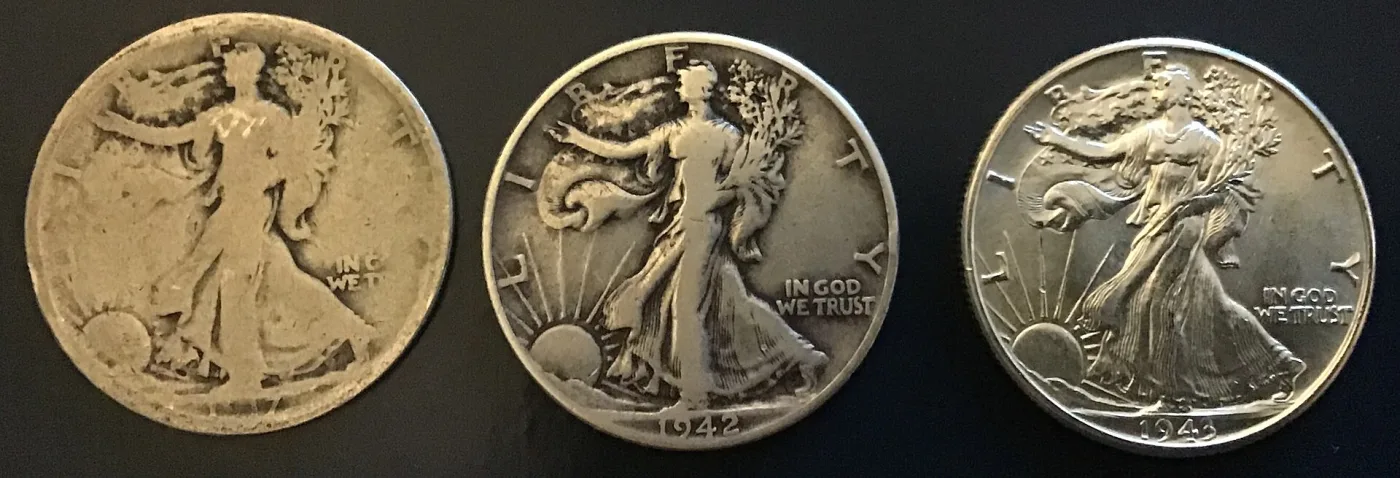
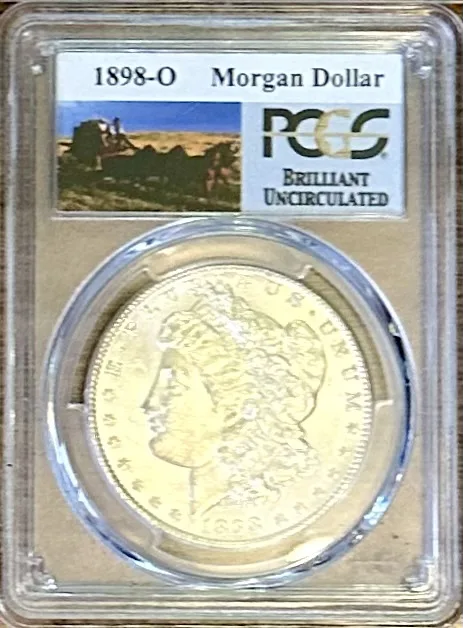
Grading is the single most important skill in numismatics after correctly identifying a coin. Two examples of the same date and mint mark can differ in value by ten times, a hundred times, or more, based on nothing but condition. A common Morgan dollar might be worth its silver melt value in heavily worn condition, yet the very same date in pristine, never-circulated condition can sell for hundreds. Understanding how grading works turns a pile of “old coins” into a collection you can actually evaluate, buy, and sell with confidence.
The language of grading can feel intimidating at first. Terms like “MS-65,” “Sheldon scale,” “details grade,” and “eye appeal” get thrown around in price guides and auction listings as if everyone already knows what they mean. This guide demystifies all of it. You’ll learn where the grading scale came from, what each grade actually looks like on a real coin, how professional grading services work, and how to spot the cleaned and damaged coins that trip up beginners. Whether you are sorting an inheritance or building a serious type set, mastering grade is what protects your money.
Grading sits at the heart of nearly every coin identification decision you make. Once you can read a coin’s surfaces and assign an accurate grade, every other part of collecting, from pricing to authentication to building a set, becomes far easier.
What Coin Grading Means and Why It Matters
Coin grading is the process of evaluating a coin’s physical condition and assigning it a standardized rank that reflects how much wear, damage, and original detail it shows. A grade is essentially a shorthand description of a coin’s state of preservation, agreed upon across the hobby so that a buyer in one country and a seller in another can discuss the same coin without ever holding it.
Grade matters because it is the primary driver of value after rarity. For a given date and mint mark, price rises with grade, and the rise is rarely linear. A coin might cost twenty dollars in one grade, eighty dollars one grade higher, and four hundred dollars two grades above that. These jumps reflect how few coins survive in top condition. Most coins that entered circulation were spent, handled, and worn down, so high grades are scarce and command premiums that grow steeply as you climb the scale.
Grade Versus Value
It is important to understand that grade and value are related but not identical. Grade describes condition; value depends on grade plus rarity, demand, metal content, and market timing. A common coin in a high grade can still be inexpensive because millions survive in that condition. A rare coin in a low grade can be valuable because so few exist at all. Learning to grade tells you where a coin sits on the condition spectrum; pairing that with a price guide tells you what it is worth.
Objective and Subjective Elements
Grading blends objective observation with experienced judgment. The amount of wear on a coin is measurable: you can see whether high points are flat or fully rounded. But two coins with identical wear can still receive different grades based on subtler factors like the quality of the strike, the strength of the original mint luster, the number of contact marks, and overall eye appeal. This is why experienced graders sometimes disagree by a point, and why grading is often called both a science and an art.
The Sheldon Scale: A Brief History
The numerical grading system used today is known as the Sheldon scale, named after Dr. William Sheldon, a numismatist who introduced it in his 1949 book on early American large cents. Sheldon devised a 1-to-70 scale with a specific purpose: he wanted the grade number to correlate with the coin’s value. In his original concept, a coin graded “70” would be worth seventy times as much as the same coin graded “1.” That price relationship broke down quickly as the market evolved, but the 1-to-70 numbering survived and was eventually adopted for all U.S. coins.
The genius of the Sheldon scale lies in its granularity at the top. Because most of the value differences between high-grade coins occur in the uncirculated range, the scale devotes eleven separate grades (60 through 70) to coins that show no wear at all. This lets graders distinguish a heavily bag-marked uncirculated coin from a nearly flawless one, even though both technically never circulated.
From Adjectival to Numerical
Before the Sheldon scale was universally adopted, coins were described with adjectives alone: “Good,” “Fine,” “Extremely Fine,” “Uncirculated.” These terms are still used today, but they are now paired with numbers for precision. “Very Fine” became a range covering VF-20 through VF-35, “Extremely Fine” became EF-40 through EF-45, and so on. The combination of a word and a number gives both a quick impression and a precise placement on the scale.
Why 70 Points and Not 100
Newcomers often wonder why coins are graded on a 70-point scale rather than a more intuitive 100-point one. The answer is purely historical: Sheldon chose those numbers to fit his original value formula for large cents, and the hobby standardized around it. The numbers themselves are arbitrary anchors; what matters is the consistent meaning each grade carries across dealers, collectors, and grading services worldwide.
Circulated Grades (1 to 58)
A circulated coin is one that shows wear from handling and use. The circulated grades run from 1, where a coin is barely identifiable, up to 58, where a coin has only the faintest trace of wear and looks almost uncirculated. The key skill in grading circulated coins is reading the high points of the design, because those are the areas that wear first.
The Lower Circulated Grades
- P-1 (Poor) and FR-2 (Fair): The coin is barely identifiable. The design is worn nearly smooth, and you may need the date or a distinctive feature just to attribute it. Only genuinely rare coins hold value at these grades.
- AG-3 (About Good): Heavily worn. The rims are flat and may merge into the lettering. Major design outlines are visible but most interior detail is gone.
- G-4 and G-6 (Good): The design outline is complete, but the surface is flat with little interior detail. Lettering and the date are readable. This is the lowest grade most collectors will pursue for a common coin.
- VG-8 and VG-10 (Very Good): Some interior detail begins to appear. On portraits, a few strands of hair or the outline of a wreath emerge. Major lettering such as “LIBERTY” is partially visible on many series.
The Middle and Upper Circulated Grades
- F-12 and F-15 (Fine): Moderate, even wear over the entire coin. About half the design detail is present. Key words like “LIBERTY” are usually fully readable, though not sharp.
- VF-20 to VF-35 (Very Fine): Light to moderate wear with most major details clear. Hair, feathers, and wreath elements show good definition. A favorite grade range for type collectors who want detail at a reasonable price.
- EF-40 and EF-45 (Extremely Fine): Light wear on only the highest points. Nearly all detail is sharp and complete. Traces of mint luster may survive in protected areas around the lettering and devices.
- AU-50 to AU-58 (About Uncirculated): Only slight friction on the very highest points, often visible only under magnification. Substantial mint luster remains. An AU-58 coin can be more attractive than a low mint state coin and is prized by value-conscious collectors.
Reading Wear on High Points
Every coin series has specific high points that grade-savvy collectors check first. On a portrait coin, this is usually the cheek, the hair above the ear, and the top curls. On a standing or seated figure, it is the head, knee, and chest. Comparing the smoothness or sharpness of these focal points against the surrounding fields is the fastest way to place a circulated coin on the scale. Different designs wear differently, which is why series-specific guides, such as those for the Buffalo Nickel with its famously weak-striking date and horn, are so useful when grading.
Mint State Grades (60 to 70)
A mint state (MS) coin, also called uncirculated, shows no wear whatsoever. It looks essentially as it did the day it left the dies, with full original luster across the high points. But “no wear” does not mean “perfect.” Even brand-new coins picked up contact marks as they tumbled together in mint bags, were counted by machines, and were shipped in quantity. The eleven mint state grades, from MS-60 to MS-70, distinguish coins based on the number and severity of these marks, plus strike and eye appeal.
The Mint State Range Explained
- MS-60 to MS-62: Uncirculated but unattractive. Numerous contact marks, possibly dull or impaired luster, and weak eye appeal. These are coins that never circulated but were roughly handled.
- MS-63 (Choice Uncirculated): Moderate contact marks, mostly in less distracting areas, with good luster. A solid, affordable uncirculated grade for many series.
- MS-64 (Near Gem): Above-average eye appeal with only minor marks. For countless collectors this is the sweet spot, offering most of the beauty of a gem at a fraction of the cost.
- MS-65 (Gem Uncirculated): Strong luster, sharp eye appeal, and only a few minor marks visible under magnification. The classic benchmark for a “gem” coin and often a major price step up from MS-64.
- MS-66 to MS-68: Exceptional coins with progressively fewer marks and superb luster. Scarce for most pre-modern issues and priced accordingly.
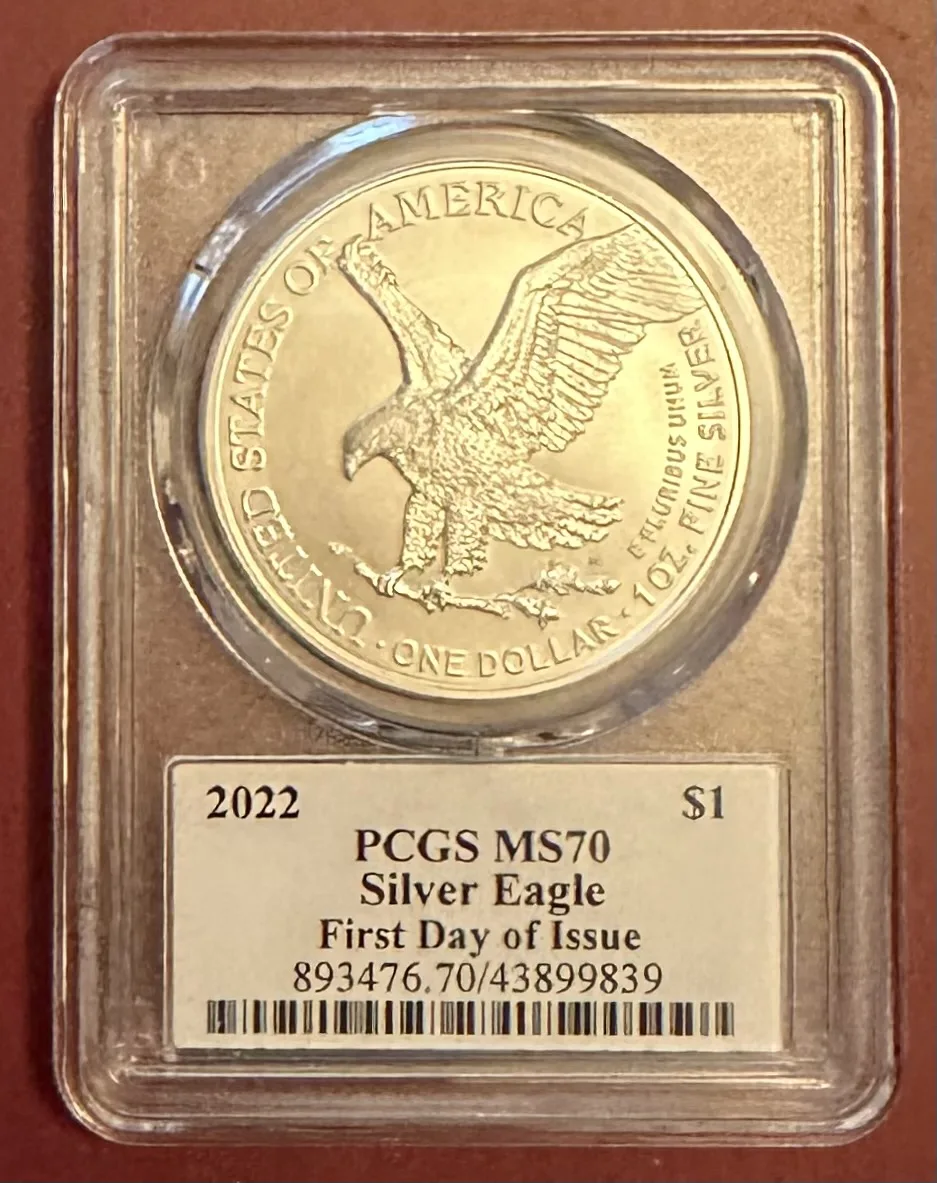
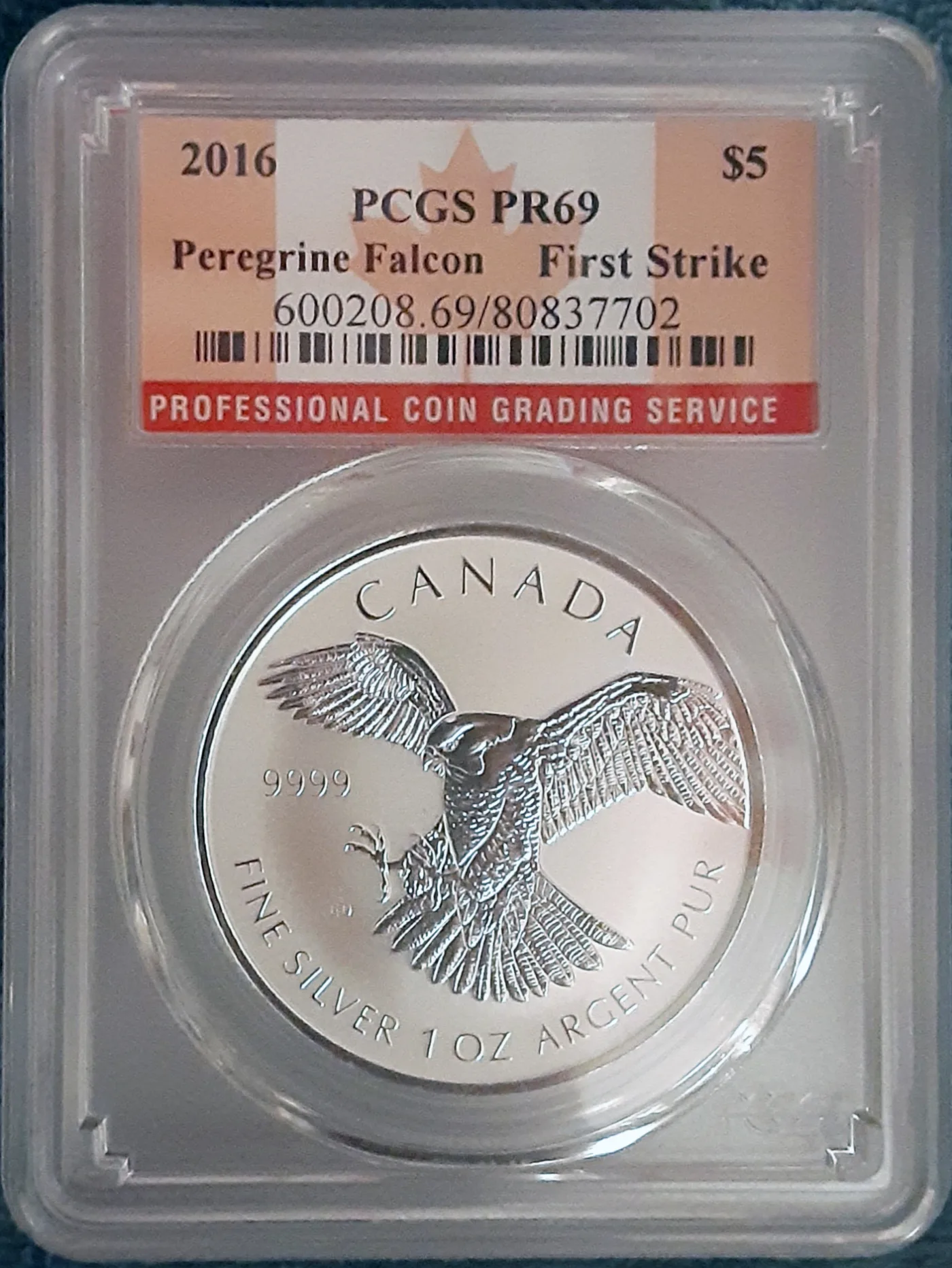
- MS-69 and MS-70: Virtually flawless to perfect. MS-70 means no imperfections visible at 5x magnification. These grades are most common on modern bullion and proof coins struck with extreme care, such as the American Silver Eagle.
What Separates One Mint State Grade From the Next
Within the mint state range, graders weigh four things: the number and location of contact marks, the completeness and sharpness of the strike, the quality of the luster, and the overall eye appeal. A coin with a booming, cartwheel luster and a bold strike can grade higher than a coin with the same number of marks but flat luster. Marks in focal areas, like a portrait’s cheek, hurt the grade more than identical marks hidden in the hair or near the rim.
Special Mint State Designations
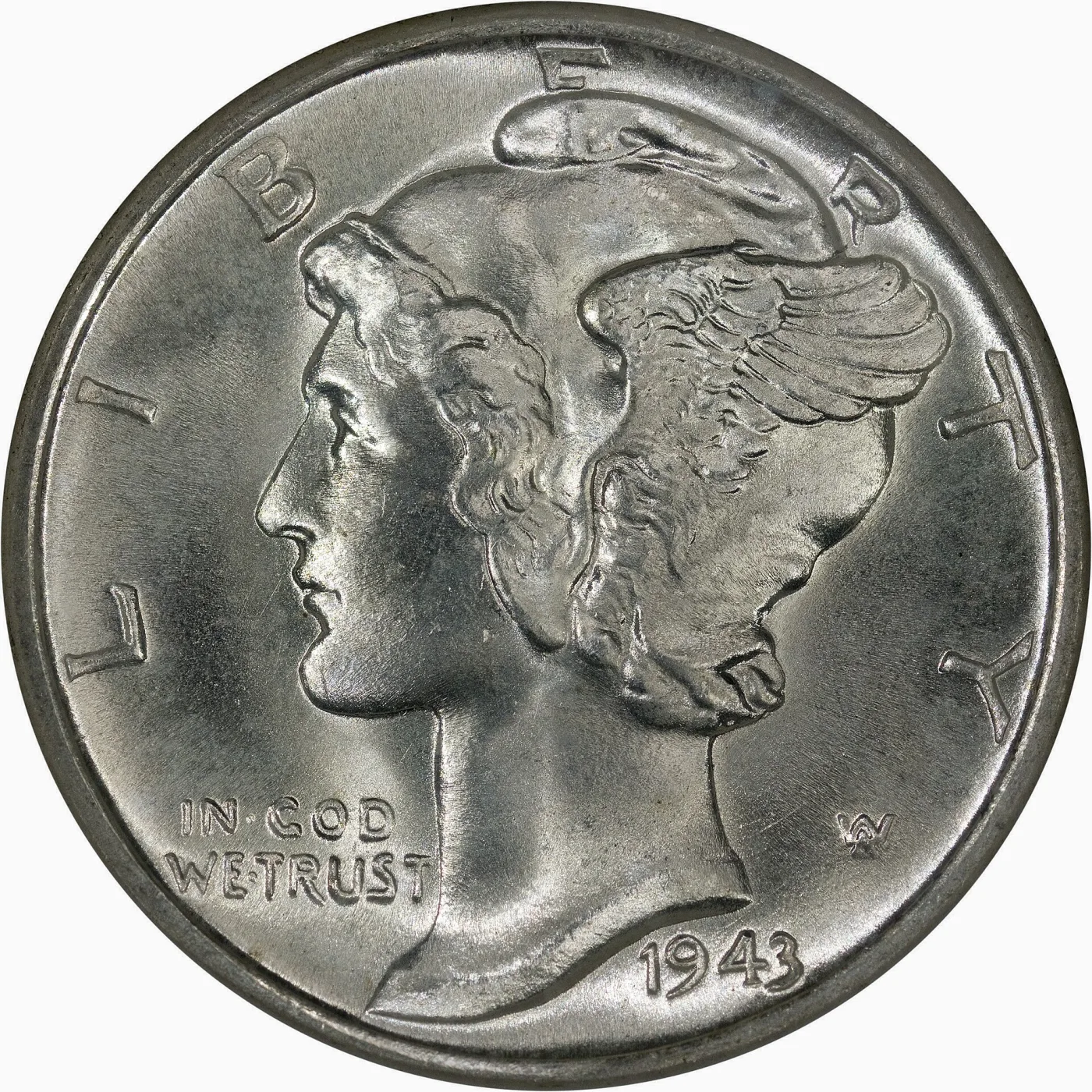
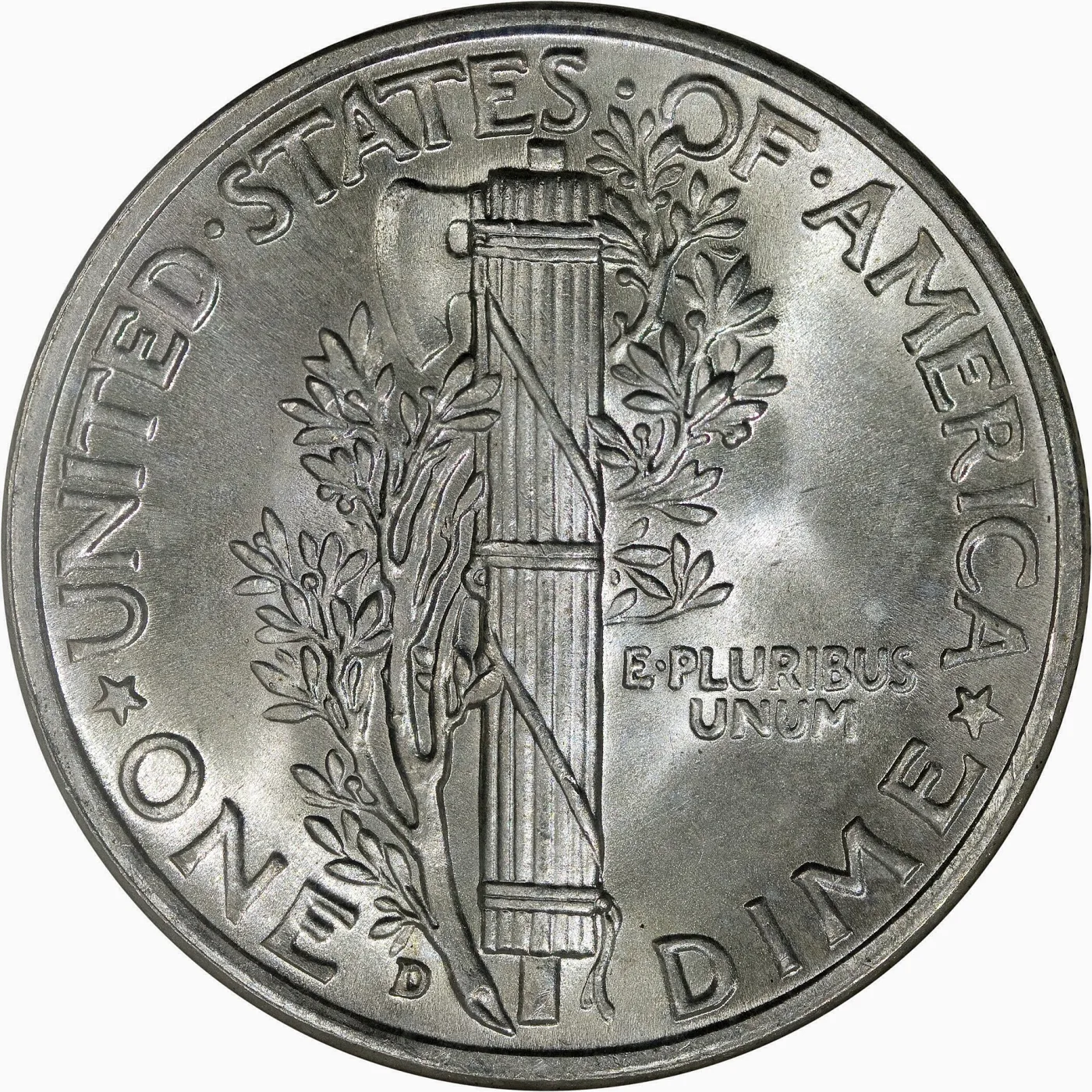
Some coins earn extra designations on top of their numerical grade. “Full Steps” on a Jefferson Nickel, “Full Bands” on a Mercury or Roosevelt dime, and “Full Bell Lines” on a Franklin half dollar all indicate a complete, sharp strike on a key design element. These designations can add significant value because they certify that a coin was not just uncirculated but exceptionally well struck.

Proof Coins and the PR/PF Scale
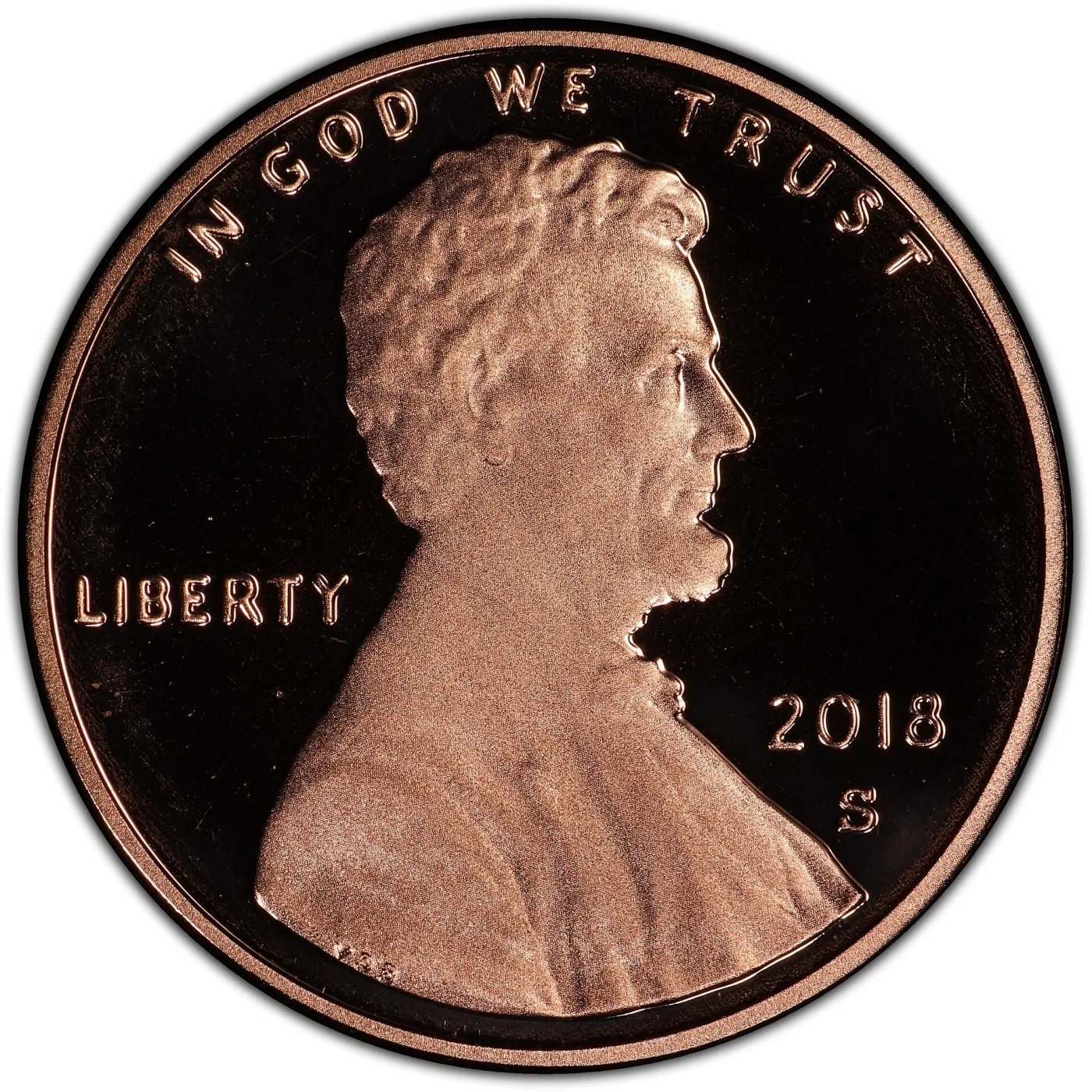
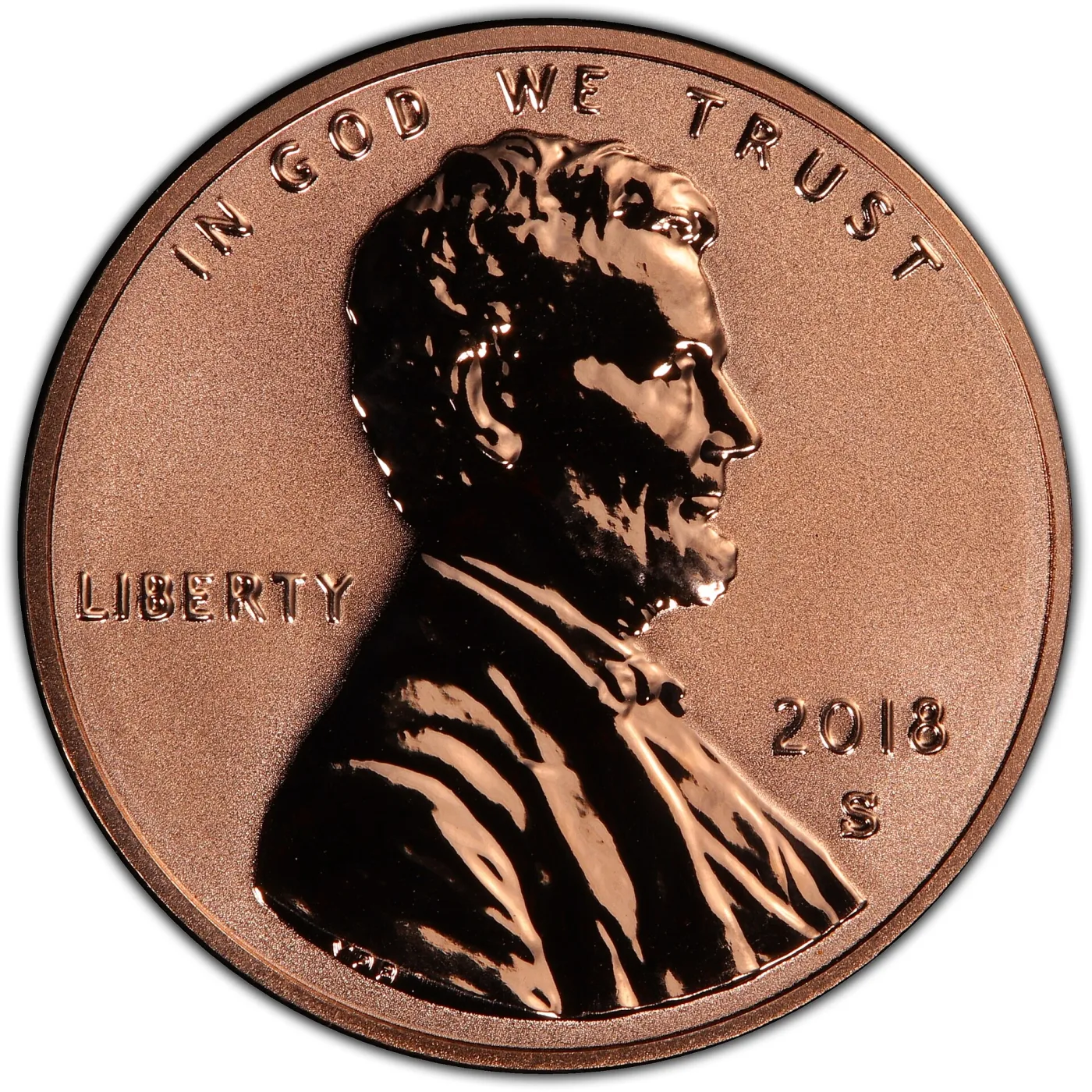
Proof coins are a special category that confuses many beginners. A proof is not a grade but a method of manufacture. Proof coins are struck at least twice on specially polished planchets using highly polished dies, producing sharp, mirror-like surfaces intended for collectors rather than circulation. Because they are made differently, they are graded on a parallel scale using the prefix “PR” or “PF” instead of “MS.” Our full guide on how to identify proof coins covers the mirror fields, cameo frosting, and other tell-tale signs in depth.
How Proof Grading Works
Proof coins use the same 60-to-70 number range as mint state coins, so you will see grades like PR-65 or PF-69. The numbers carry the same general meaning: higher numbers indicate fewer imperfections. However, because proofs are not meant to circulate, a worn proof is described as an “impaired proof” rather than receiving a circulated grade in the usual sense. The flawless mirror fields of a proof show even the tiniest hairline, so achieving a high proof grade requires near-perfect handling from the moment of striking.
Cameo and Deep Cameo
Many proofs earn an additional designation for contrast between the frosted devices and the mirror fields. “Cameo” (CAM) indicates moderate contrast, while “Deep Cameo” (DCAM) or “Ultra Cameo” indicates strong, dramatic frosting against deep mirrors. These designations can substantially increase a proof coin’s value, especially on older issues where the frost wore off the dies quickly and few cameo examples survive.
Proof Versus Prooflike
Do not confuse a true proof with a “prooflike” business strike. Some regular circulation coins, struck from freshly polished dies, exhibit mirror-like surfaces resembling proofs. These are designated “PL” (Prooflike) or “DMPL” (Deep Mirror Prooflike) and are graded on the standard mint state scale. The distinction matters: a genuine proof was made intentionally for collectors, while a prooflike coin is a happy accident of die preparation. Morgan Silver Dollars are famous for their prooflike and deep mirror prooflike examples, which command strong premiums.
The Factors That Determine a Grade
Whether a coin is circulated or uncirculated, graders evaluate the same core factors and weigh them together to arrive at a final number. Understanding these factors individually helps you see why two coins that look similar at a glance can grade differently.
Wear
Wear is the most fundamental factor for circulated coins. It is the gradual loss of metal from the high points caused by handling and circulation. The amount and evenness of wear places a coin within the circulated range. Once a coin shows any wear at all, it cannot grade mint state, no matter how attractive it otherwise is.
Contact Marks and Surface Preservation
For uncirculated coins, contact marks become the dominant factor. These are the nicks, dings, and abrasions a coin acquires from contact with other coins. Graders count them, judge their severity, and note their location. A single deep gash in a focal area can drop a coin several grades, while a scattering of tiny marks hidden in the design may barely affect it.
Strike Quality
Strike refers to how completely the design transferred from the dies to the planchet. A full strike shows every intended detail crisply; a weak strike leaves high points mushy or incomplete even on a brand-new coin. Strike is a function of the minting process, not wear, so a weakly struck coin can still be uncirculated. Certain mints and certain dates are notorious for weak strikes, which is why series knowledge matters so much in grading.
Luster
Luster is the way light reflects off the microscopic flow lines created when metal moves under striking pressure. Original, undisturbed luster produces a distinctive “cartwheel” effect that rotates across the surface as you tilt the coin. Luster is one of the surest signs that a coin has not circulated, because friction from handling disturbs and dulls it. Bright, full luster supports a high grade; broken or impaired luster pulls it down.
Strike, Luster, and Eye Appeal
Beyond the technical grade, dealers and serious collectors talk constantly about “eye appeal.” This is the overall visual impression a coin makes, and it can be the difference between a coin that sells instantly and one that lingers, even at the same numerical grade. Eye appeal is where grading shifts most clearly from science toward art.
What Makes a Coin Eye-Appealing
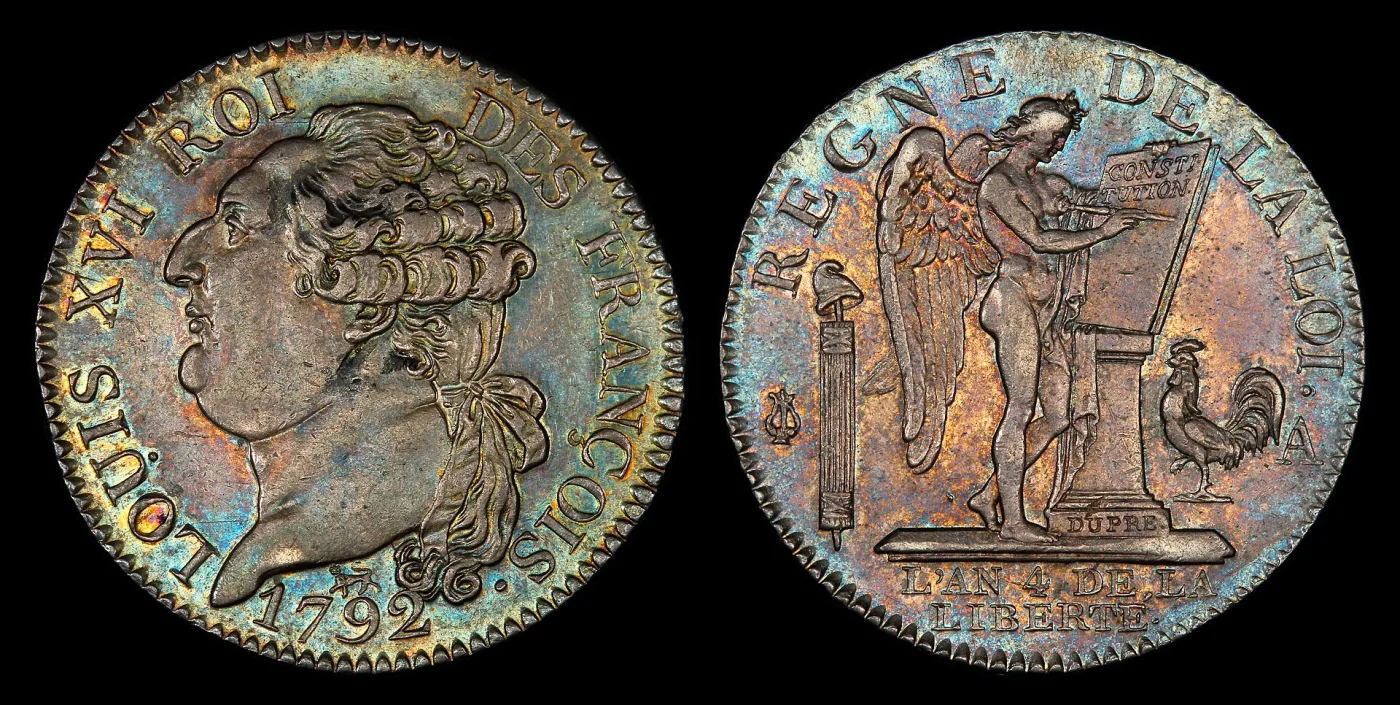
An eye-appealing coin combines several pleasing qualities: vibrant, undisturbed luster; a sharp, complete strike; clean focal areas free of distracting marks; and attractive, natural color. Two MS-65 coins can look dramatically different. One might be bright and blazing with a bold strike, the other dull and softly struck with a milky surface. Both grade MS-65, but the first will sell for a premium because collectors compete for beautiful coins.
How Eye Appeal Affects the Grade
Eye appeal does not just affect price within a grade; it can actually nudge the grade itself. Graders work within ranges, and a coin with superb eye appeal often earns the benefit of the doubt at a grade boundary, while an unattractive coin gets graded conservatively. This is why two coins with arguably similar surfaces can land a point apart. The visual gestalt of the coin tips the decision.
The “Premium Quality” Concept
Within any grade, some coins are clearly nicer than the minimum standard requires. These are often called “premium quality” or PQ coins, sitting at the high end of their grade and approaching the next one up. Learning to spot PQ coins, those that are “high end for the grade,” is one of the most valuable skills a collector can develop, because it lets you buy coins that may upgrade on resubmission or simply hold their value better.
Toning: Friend or Foe?
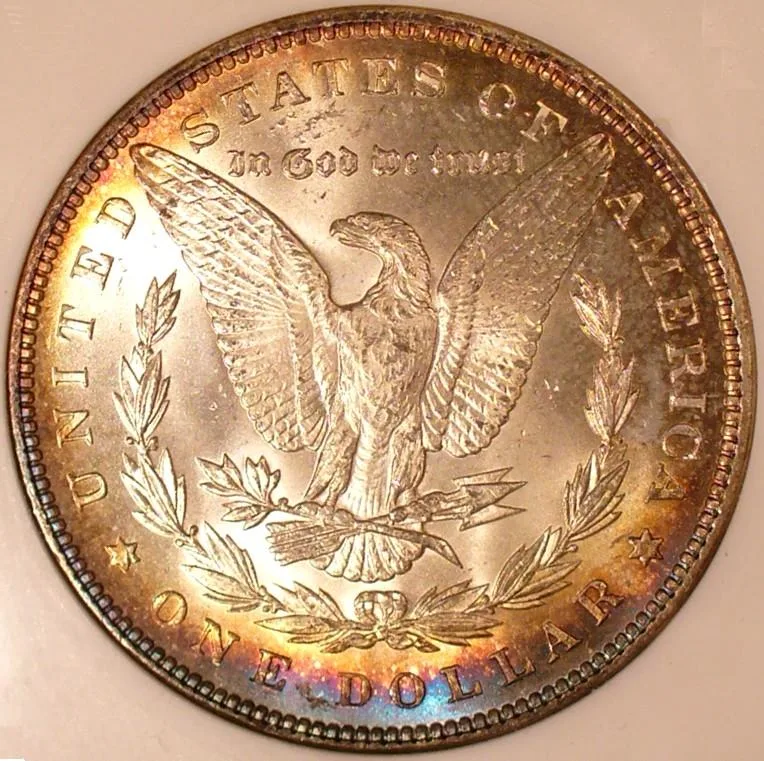
Toning is the color that develops on a coin’s surface over time as the metal reacts with its environment. On silver coins especially, toning can range from light golden hues to vivid rainbows of blue, purple, and red. Toning is one of the most debated topics in grading because it can either dramatically enhance or seriously harm a coin’s value depending on its character.
Attractive Toning
Natural toning that is even, vibrant, and visually pleasing can add substantial value, sometimes far exceeding the price of an untoned coin in the same grade. Collectors prize originality, and beautiful toning is proof that a coin has been undisturbed for decades. Album toning, where coins picked up colorful crescents from the cardboard pages of old albums, is especially sought after. The grading services recognize this and will assign full grades to attractively toned coins.
Problem Toning
Not all toning is good. Dark, splotchy, or uneven toning detracts from eye appeal and can lower a grade. More seriously, toning that has progressed into active corrosion, where the metal is actually being consumed, is a defect. Terminal toning that obscures detail or sits over the surface like a film can render an otherwise nice coin unappealing or even ungradeable in extreme cases.
Artificial Toning
Because attractive toning adds value, some people artificially induce it using heat, chemicals, or other treatments to fake the look of natural aging. Artificially toned coins are considered altered and will receive a details grade rather than a straight grade from the major services. Detecting artificial toning is difficult and is one of the strongest reasons to buy valuable toned coins already certified by a reputable grading service. Our full guide to natural versus artificial coin toning explains the color sequence and warning signs in detail, and when in doubt about a coin’s surfaces, comparing it against trusted references or our broader coin identification guide can help you decide whether the color looks natural.
Third-Party Grading: PCGS, NGC, and ANACS
Third-party grading services revolutionized the hobby by providing independent, expert grading sealed in tamper-evident holders. Before these services existed, every transaction depended on the buyer and seller agreeing on a grade, which led to disputes and “grade inflation.” Today, a coin certified by a respected service carries a grade that the entire market accepts, which adds liquidity, confidence, and often value.
The Major Services
- PCGS (Professional Coin Grading Service): Founded in 1986, PCGS is one of the two dominant services. Its coins are widely traded and its population reports and price guides are industry references.
- NGC (Numismatic Guaranty Company): Founded in 1987, NGC is the other top-tier service and the official grader for several major organizations. Its standards are considered on par with PCGS for most series.
- ANACS: The oldest American grading service, ANACS is respected and often more affordable, frequently used for raw coins, varieties, and error coins.
What a Slab Provides
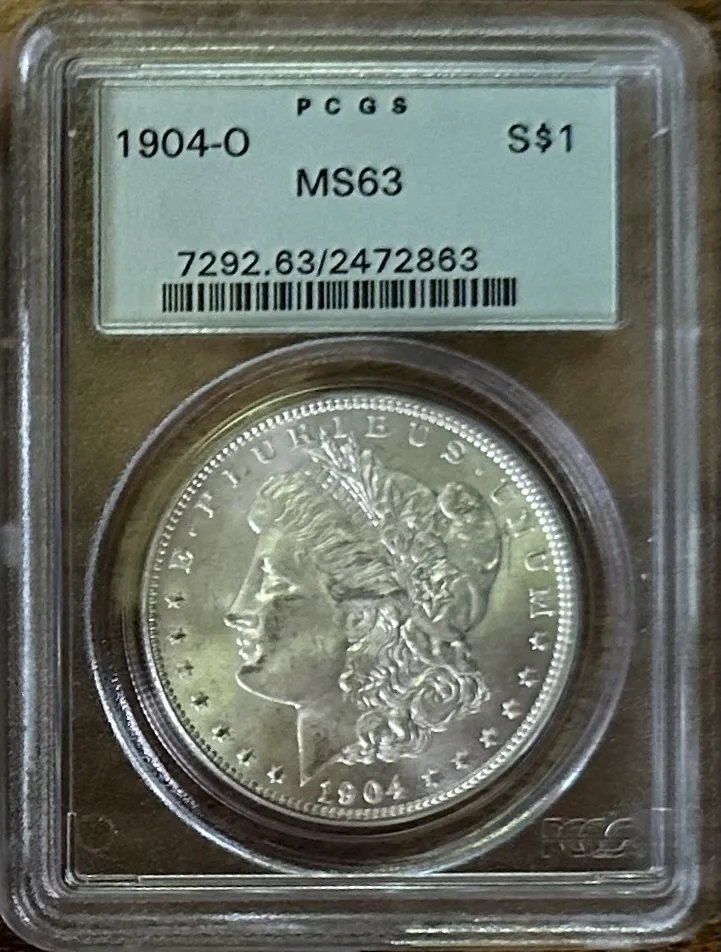
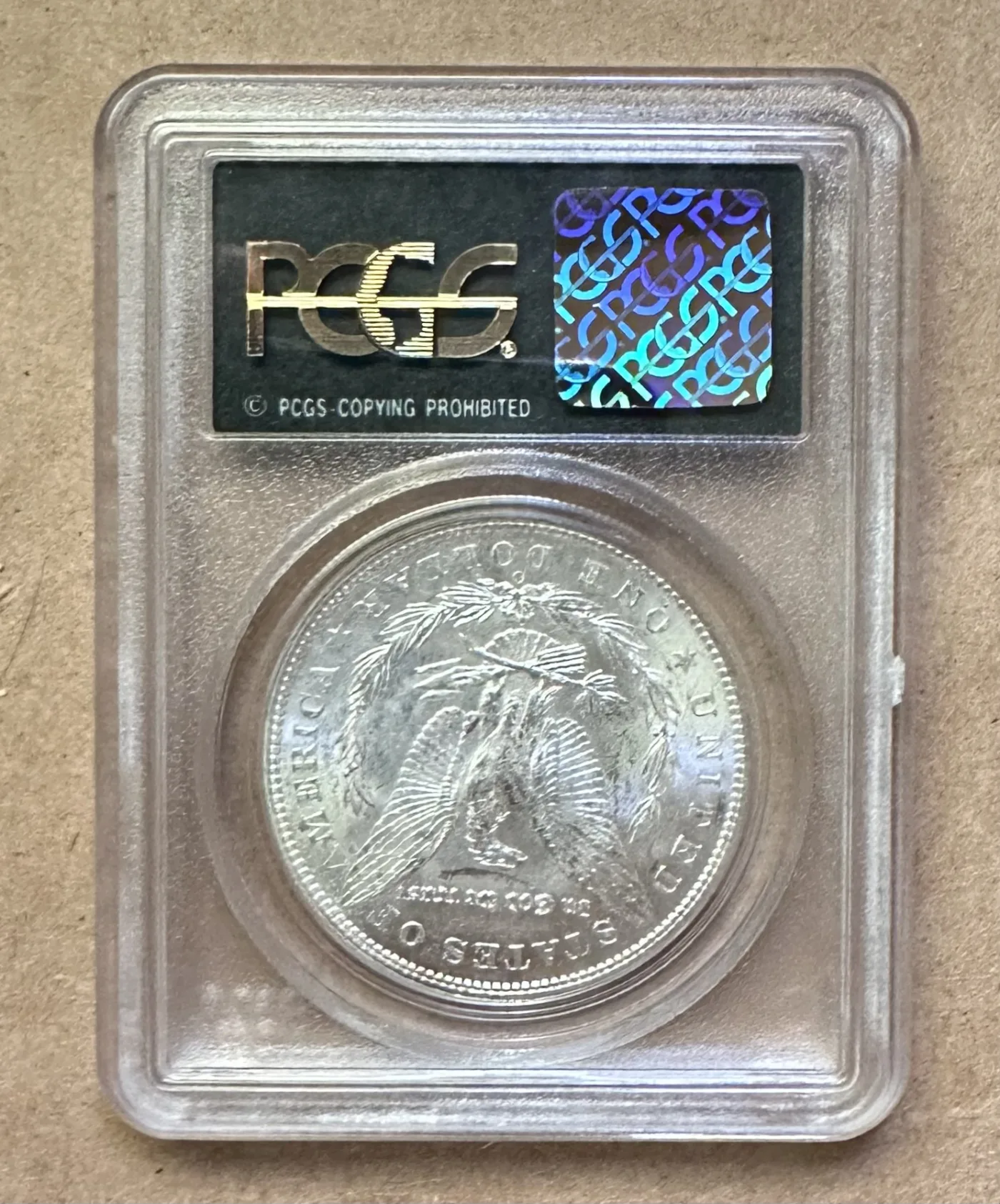
When you submit a coin, the service authenticates it, grades it, and seals it in a sonically welded plastic holder, commonly called a “slab,” with a label showing the grade and a unique certification number. This number can be verified online against the service’s database, complete with photos for recent submissions. The slab protects the coin physically and guarantees the grade, which is invaluable for buying and selling sight-unseen.
When Certification Is Worth It
Certification costs money and takes time, so it is not worthwhile for every coin. As a rule of thumb, certification makes sense when a coin’s value clearly exceeds the grading fee plus shipping, when authenticity is in question, or when you plan to sell into the broader market. For high-value coins, especially key dates and conditionally rare pieces, professional grading is essential. Series prone to counterfeiting, such as classic U.S. gold like the Saint-Gaudens Double Eagle, almost always trade certified for exactly this reason — and before submitting, it helps to run the basic counterfeit detection tests yourself to screen for obvious fakes.
Details Grades: Cleaned, Damaged, and Altered Coins
One of the most important concepts for a new collector to grasp is the “details” grade. When a coin has a problem that prevents it from receiving a straight numerical grade, the grading services note the level of detail it shows but flag the defect. A coin in a “Details” holder is worth a fraction of a problem-free coin in the same condition, and learning to spot these problems before you buy saves real money.
Cleaning: The Most Common Problem
Improper cleaning is by far the most frequent reason a coin receives a details grade. When a coin is wiped, polished, dipped harshly, or scrubbed, it leaves behind tell-tale hairlines, an unnatural brightness, or a flat, lifeless surface. To an experienced eye these signs are obvious, and they cannot be undone. The single most important rule for any new collector is simple: never clean your coins. A naturally toned, original coin almost always sells for more than the same coin cleaned, no matter how “shiny” cleaning makes it appear.
Damage and Alterations
Other defects that trigger a details grade include scratches, rim dings, holes (often from coins once worn as jewelry), bends, graffiti or engraved initials, and environmental corrosion. Alterations such as added or removed mint marks, tooled surfaces meant to enhance detail, and artificial toning are also flagged. Each of these problems is described on the holder label, for example “AU Details, Cleaned” or “VF Details, Damaged.”
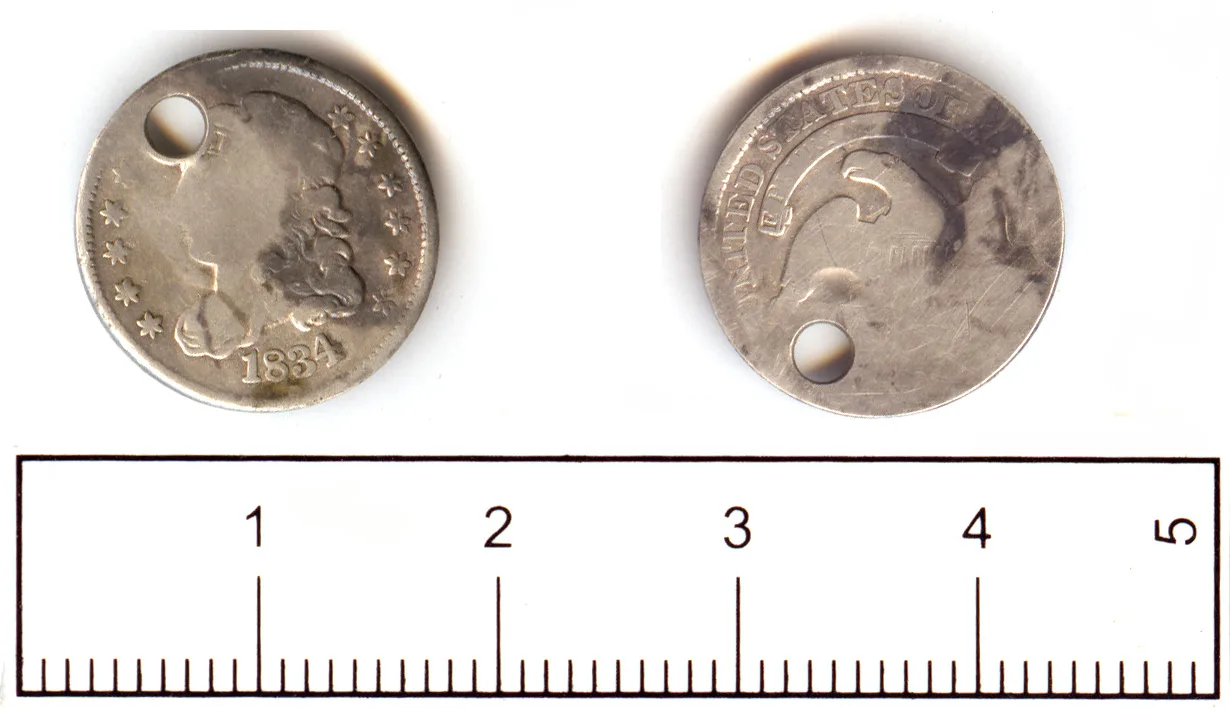
When a Details Coin Still Makes Sense
A details grade is not always a dealbreaker. For an expensive key date that you could never otherwise afford in problem-free condition, a details example can be a legitimate, budget-friendly way to fill a hole in a set. The important thing is to pay a details price for a details coin, never a problem-free price. As long as you know what you are buying and the discount reflects the defect, a details coin can be a smart purchase.
How to Grade Your Own Coins
You do not need to be a professional to learn how to grade. With the right tools, good light, and practice, any collector can learn to place a coin within a grade or two of where the experts would. Accurate self-grading helps you buy smarter, avoid overpaying, and decide which coins are worth submitting for certification.
The Tools You Need
- A quality loupe: A 5x to 10x magnifier is essential for examining surfaces, contact marks, and signs of cleaning. Higher magnification helps with varieties but can be overkill for grading.
- Proper lighting: A single, incandescent or halogen light source is ideal because it reveals luster and hairlines that diffuse lighting hides. Tilt the coin under the light to make luster and marks pop.
- A grading reference: A photographic grading guide for the series you collect shows exactly what each grade looks like. Comparing your coin to reference images is the fastest way to learn.
- Clean hands and a soft surface: Always handle coins by the edges over a padded surface to avoid adding the very marks you are trying to grade around.
A Step-by-Step Approach
Start by identifying the coin and noting its series, because grading standards and focal points vary by design. Next, determine whether it is circulated or uncirculated by checking the high points for wear and the surfaces for luster. If it shows wear, place it within the circulated range by how much detail remains. If it shows no wear, examine contact marks, strike, and luster to place it in the mint state range. Finally, step back and assess overall eye appeal, then check carefully for any problems like cleaning or damage that would make it a details coin.
Practice With Known Coins
The best way to calibrate your eye is to study certified coins. Buy a few inexpensive slabbed examples in different grades and compare them side by side, or browse high-resolution images of certified coins online. Over time you will internalize what an EF-45 looks like versus an AU-55, or an MS-63 versus an MS-65. Grading is a skill built through repetition, and even a modest reference collection accelerates the learning curve dramatically.
Common Grading Mistakes to Avoid
Beginners tend to make the same handful of grading errors, and each one can cost money. Recognizing these pitfalls early will make you a sharper, more confident collector.
Confusing “Shiny” With “High Grade”
The most common mistake is assuming a bright, shiny coin must be high grade. In reality, a coin can be shiny because it was harshly cleaned, which actually destroys value. Genuine mint luster has a soft, rotating glow, while a cleaned coin often has a harsh, unnatural brightness with fine hairlines. Always look for luster quality, not just brightness.
Overgrading Your Own Coins
It is natural to see your own coins through rose-colored glasses. Collectors routinely grade their own coins a point or two higher than a dealer or grading service would. Train yourself to grade conservatively. If you are unsure between two grades, assume the lower one. The market will, and grading conservatively protects you from overpaying when you buy and from disappointment when you sell.
Ignoring the Difference Between Wear and Weak Strike
New collectors frequently mistake a weak strike for wear and undergrade an uncirculated coin, or mistake light wear for a soft strike and overgrade a circulated one. The difference comes down to luster: a weakly struck high point still has full, undisturbed luster, while a worn high point shows friction that breaks the luster. Learning this distinction for your favorite series, whether the Walking Liberty Half Dollar or any other classic design, is a major step toward accurate grading.
Cleaning Coins to “Improve” Them
It bears repeating because the temptation is so strong: do not clean your coins. More value has been destroyed by well-meaning collectors with a polishing cloth than by almost any other single mistake. If a coin is dirty, leave it alone or consult a professional conservator for valuable pieces. The natural, original surface is almost always worth more than a cleaned one.
Buying the Holder Instead of the Coin
Finally, while certification adds confidence, never stop looking at the actual coin. Even within a single grade, coins vary widely in eye appeal. Buy the nicest coin you can find for the grade, not just the first slab with the right number on the label. The grade is a starting point, not the whole story.
Conclusion
Grading is the lens through which every other part of collecting comes into focus. Once you understand the Sheldon scale, can tell a circulated coin from an uncirculated one, recognize the role of strike, luster, and eye appeal, and spot the cleaned and damaged coins that trap beginners, you are equipped to buy and sell with genuine confidence. The numbers on a slab will no longer be a mystery; they will be a language you speak fluently.
Like any skill, grading improves with practice. Handle as many coins as you can, study certified examples, and compare your assessments against the experts. Grade conservatively, prize originality, and never clean a coin. Master these principles and you will not only protect your money but also deepen your appreciation for the remarkable little objects that make numismatics such a rewarding pursuit.