America the Beautiful Quarters Identification Guide: Parks, Mint Marks, 2019-W Coins, Errors, and Values
The America the Beautiful Quarters Program ran from 2010 through 2021 and was the direct successor to the wildly popular 50 State Quarters. Instead of honoring states, this series celebrated the nation’s national parks, forests, seashores, and historic sites — one design for each of the fifty states, the District of Columbia, and the five U.S. territories, for a total of fifty-six coins. The U.S. Mint released five new designs per year, in the order each site was first federally established, turning a decade of pocket change into a coast-to-coast tour of America’s most treasured landscapes.
If you have a jar of quarters with pictures of mountains, waterfalls, wildlife, bridges, and monuments on the back — Yosemite’s El Capitan, the Grand Canyon, Acadia’s coastline, Mount Rushmore, the Everglades — you are holding this program. And like the state quarters before them, the first question everyone asks is the same: are they worth anything? For the vast majority pulled from circulation, the answer is face value. But this series hides two genuinely important things the state quarters never had: the rare 2019-W and 2020-W quarters struck at West Point and released straight into circulation (the first circulating “W” coins in U.S. history), and a switch to .999 fine silver proofs partway through the program. Knowing which of your coins are ordinary and which are the ones worth chasing is the entire point of identifying them properly.
This guide covers everything you need to identify an America the Beautiful quarter with confidence: how to read the reverse and figure out which park you have, the complete release order year by year with all fifty-six designs, where the mint mark is and what P, D, S, and the crucial W mean, how the famous 2019-W and 2020-W West Point coins work, how to tell a common clad coin from a silver proof (and how the silver composition changed in 2019), the collectible errors and varieties, grading and values, and how to build a complete set. Because every one of these coins is technically a Washington quarter, you may also want the broader Washington Quarter identification guide for the full history of the denomination, and the 50 State Quarters guide for the series that came just before.
What the America the Beautiful Program Was
The America the Beautiful Quarters Program was created by the America’s Beautiful National Parks Quarter Dollar Coin Act of 2008. The idea built directly on the proven state-quarters formula: rotate the reverse design continuously to keep collectors checking their change, but this time honor a “national site” in each of the fifty-six U.S. jurisdictions — the fifty states, the District of Columbia, and the five inhabited territories. Each state and territory selected one national park, monument, forest, wildlife refuge, seashore, or other federal site to represent it, and the Mint released five new designs per year for eleven years (2010 through 2020), with a fifty-sixth and final coin in early 2021.
Why It Followed the State Quarters
The 50 State Quarters (1999-2008) had been the most successful coin program in U.S. history, saving an estimated 140 million Americans into casual collecting. When that program ended and the 2009 District of Columbia and territories coins wrapped up the statehood theme, Congress wanted to keep the momentum going. The national-parks concept did exactly that, extending the treasure-hunt appeal for another eleven years while showcasing America’s landscapes. It was so ingrained in the Mint’s playbook that it was followed in turn by the American Women Quarters (2022-2025) and the 2026 Semiquincentennial designs.
The Order of Release
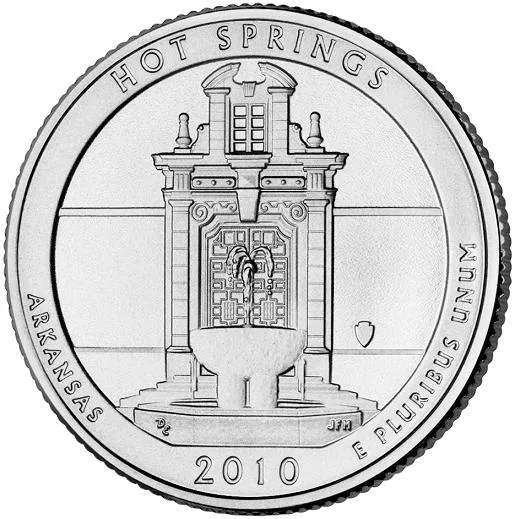
Sites were released in the order in which they were first established as national sites by the federal government — not alphabetically and not by statehood. That is why Arkansas’s Hot Springs (reserved as a federal reservation in 1832, long before it was a national park) led off the entire program in 2010, and why Alabama’s Tuskegee Airmen National Historic Site closed it in 2021. This “date of establishment” ordering is the single fact that explains the otherwise puzzling sequence.
How Many Coins Exist
Each design was struck at Philadelphia (P) and Denver (D) for circulation, at San Francisco (S) for collector proofs and a special uncirculated issue, and — for 2019 and 2020 only — at West Point (W) for a small number of circulating coins. Circulation mintages were large but notably lower than the state quarters: many ATB designs had combined P-and-D mintages in the range of a few hundred million, and some later dates dipped well below that. This matters for valuation: while no ordinary circulated ATB quarter is rare, the mintages are low enough that top-grade uncirculated coins and the scarce W issues carry real premiums.
How to Identify an ATB Quarter
Identifying an America the Beautiful quarter is a three-step process, just like the state quarters: confirm it is an ATB quarter, read the park name, and note the mint mark. The reverse tells you almost everything.
Step 1: Confirm It Is an ATB Quarter
Turn the coin so George Washington’s profile faces you (the obverse). If the reverse shows a landscape, landmark, animal, or scene — rather than the classic heraldic eagle or a state map — and it is dated 2010 through 2021, it is an America the Beautiful quarter. The reverse always names both the site and the state or territory it represents, so there is never any ambiguity once you read the lettering. A pre-1999 quarter shows an eagle; a 1999-2008 quarter shows a state scene with the state name and two dates; a 2010-2021 quarter shows a national site with the site name and the state/territory name.
Step 2: Read the Site and State
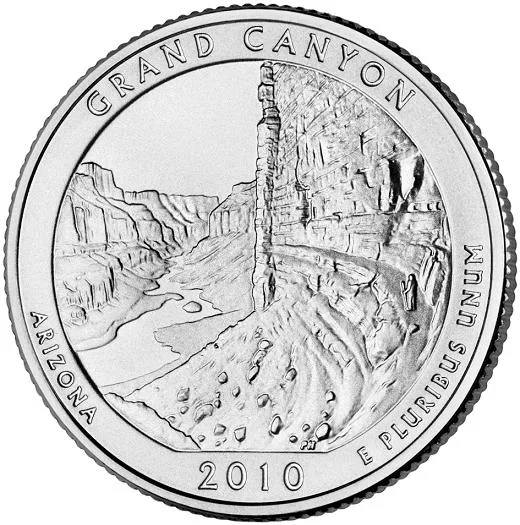
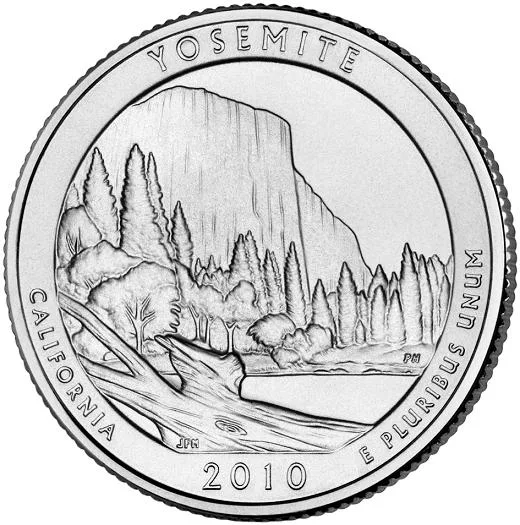
Every ATB reverse carries the name of the national site along the top or bottom, the name of the state or territory it represents, the year of issue, and “E PLURIBUS UNUM.” For example, a coin reading “EL CAPITAN” and “YOSEMITE” with “CALIFORNIA” is the 2010 California quarter; one reading “GRAND CANYON” and “ARIZONA” is the 2010 Arizona quarter. The year is on that same side, next to E PLURIBUS UNUM — the ATB obverse carries no date, exactly as the state-quarter obverse did not. Because five sites were released each year, that year narrows the coin to one of five; the reverse name confirms exactly which.
Step 3: Locate the Mint Mark
The mint mark is a small letter (P, D, S, or W) on the obverse, just to the right of the ribbon tying Washington’s hair (his “queue”), at roughly the 3-to-4 o’clock position below “IN GOD WE TRUST.” A “P” means Philadelphia, “D” means Denver, “S” means San Francisco (proof and special uncirculated only), and “W” — found only on 2019 and 2020 coins — means West Point. The mint mark is the most important thing to check after the design, because a W transforms an otherwise common coin into a sought-after find. We cover the details in the mint-mark and West Point sections below.
A Note on the Reverse Scenes
ATB reverses are landscape-driven and instantly evocative. A few examples: Yosemite shows El Capitan; the Grand Canyon shows the canyon from the North Rim with the granaries at Nankoweap; Mount Hood shows the peak reflected in Lost Lake; the Everglades shows an anhinga and a roseate spoonbill; Acadia shows the Bass Harbor Head Lighthouse; Shenandoah shows a hiker at Little Stony Man; Denali shows a Dall sheep before the mountain; and the final 2021 coin shows two Tuskegee Airmen and a P-51 Mustang. If you cannot immediately place a scene, the site and state names on the reverse remove all doubt.
Obverse and Reverse Design
The ATB quarters did not keep the obverse used for the state quarters — the Mint went back to Flanagan’s original 1932 models and restored a fuller, higher-relief portrait — and devoted the reverse entirely to the rotating national-site designs. Understanding the layout helps you distinguish an ATB quarter from an ordinary Washington quarter at a glance.
The Restored 1932 Obverse
The obverse uses John Flanagan’s classic 1932 left-facing Washington portrait, restored from the original models for this series. That restoration is a usable identification check: the 1999-2008 state quarters carry William Cousins’s “WC” beside Flanagan’s “JF” at the base of Washington’s neck, while the restored ATB obverse carries “JF” alone and shows noticeably sharper detail in the hair and the ribbon of the queue. “UNITED STATES OF AMERICA,” “LIBERTY,” “IN GOD WE TRUST,” and “QUARTER DOLLAR” all appear on the obverse — the same arrangement used since the state quarters began — leaving the reverse free for the site design. On the 2010-2020 obverse, “QUARTER DOLLAR” sits at the bottom; on a redesigned 2021 obverse (used for the final Tuskegee coin and carried into the American Women series), the portrait is slightly restyled.
The Site Reverses
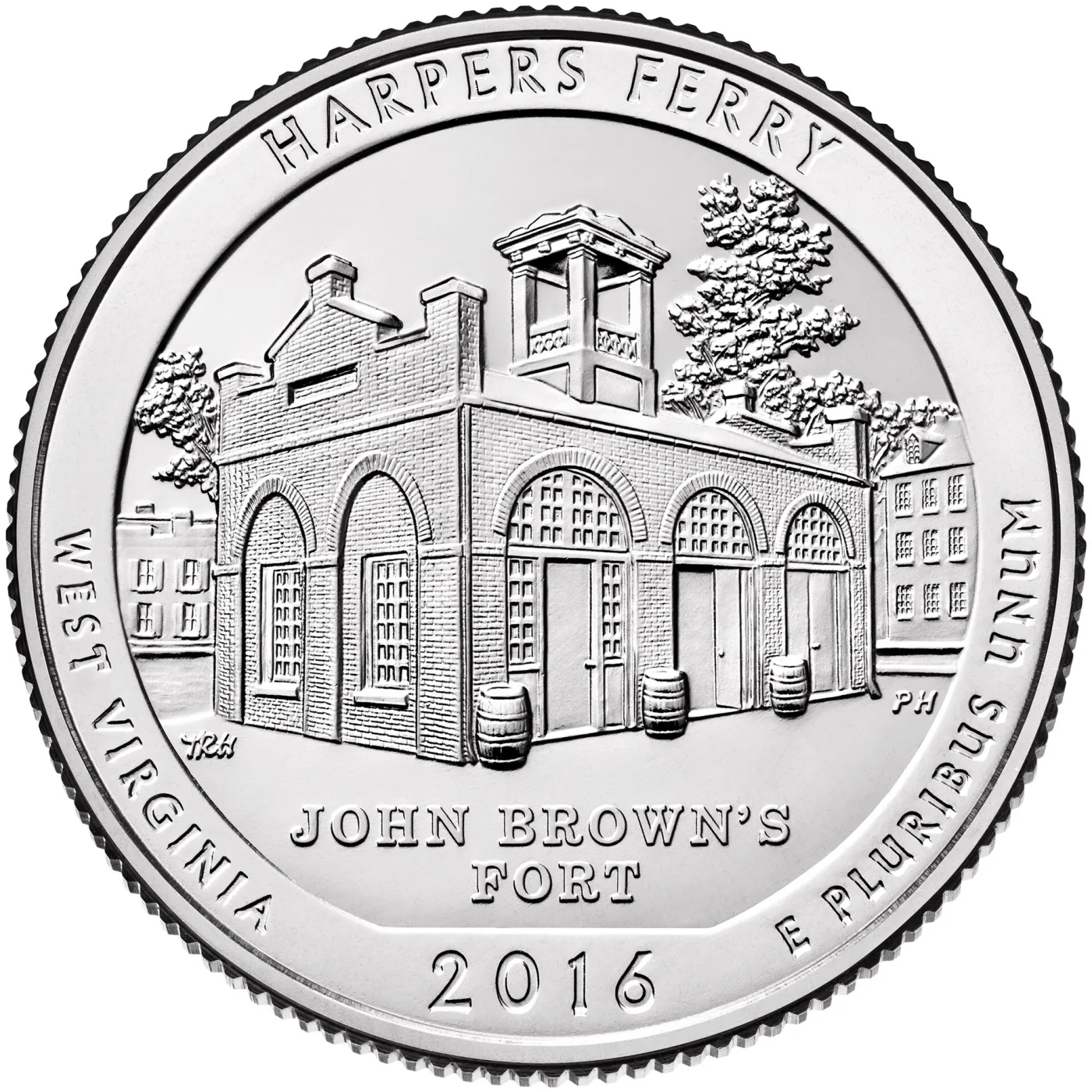
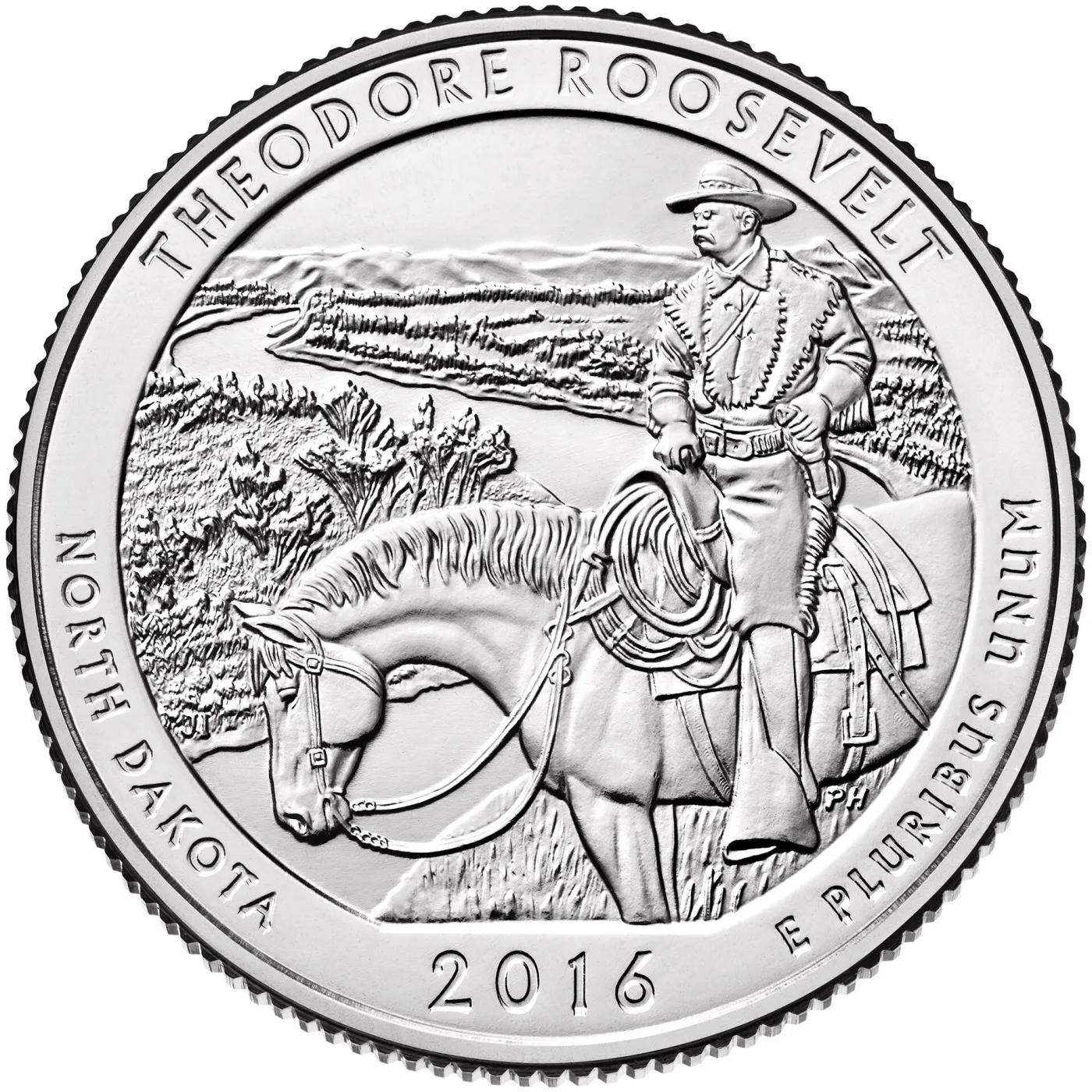
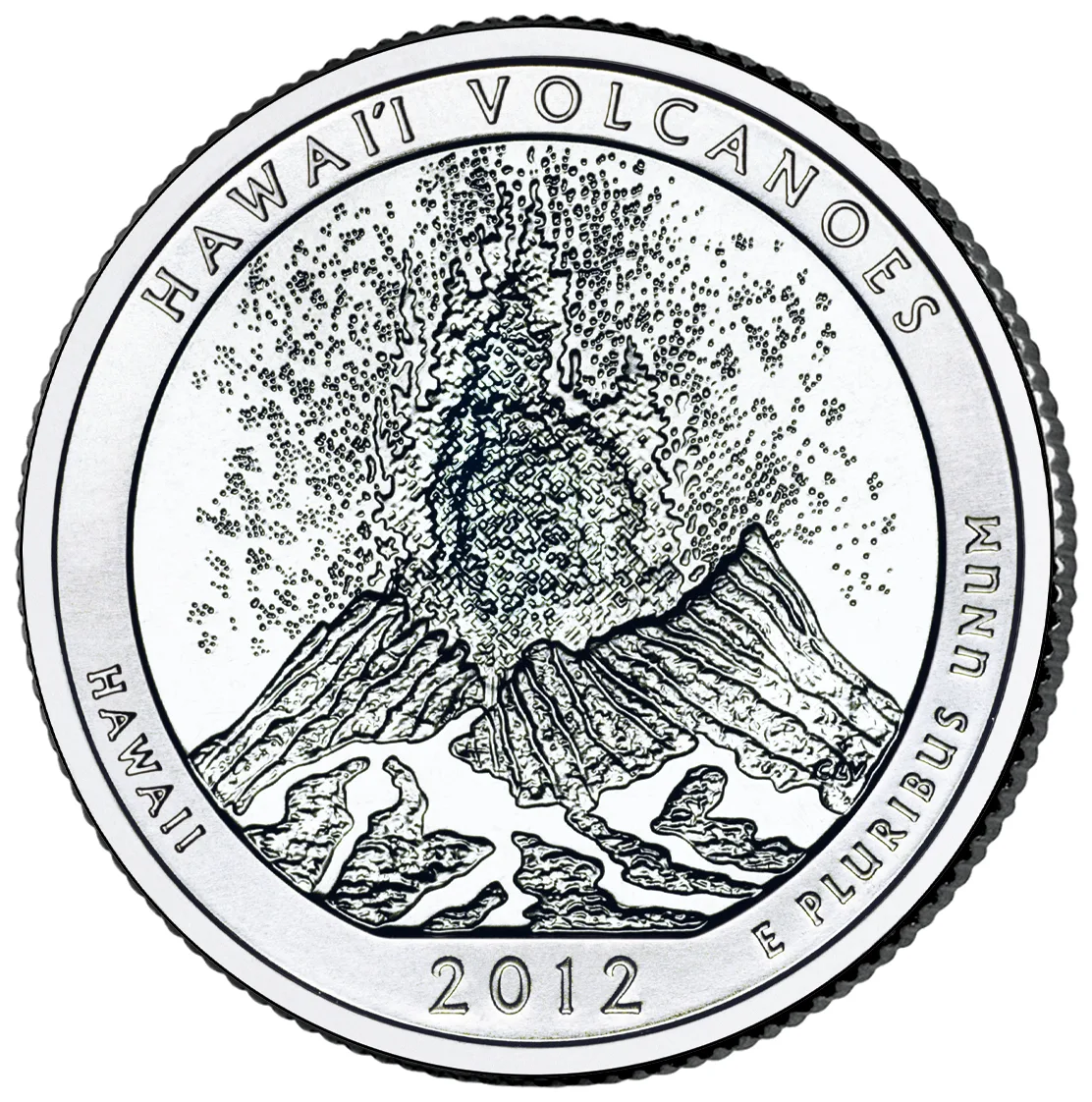
Each reverse was designed to capture a specific view or symbol of the honored site, rendered by the Mint’s engravers and sculptors. The lettering template is consistent: the name of the site, the name of the state or territory, the year of issue, and “E PLURIBUS UNUM.” The result is fifty-six small landscape engravings — arguably the most artistically ambitious circulating coin series the U.S. has produced, with dramatic use of depth and detail on a 24.3-millimeter canvas.
Consistent Physical Specifications
Every circulating America the Beautiful quarter is copper-nickel clad: outer layers of 75% copper and 25% nickel bonded to a pure copper core, weighing 5.67 grams, 24.3 millimeters in diameter, with a reeded edge. This is identical to the circulating state quarters. The silver proof and the special 5-ounce bullion versions (see below) differ in composition and weight — the weight test is the fastest way to separate a silver coin from a clad one without reading packaging.
The 5-Ounce Silver “Hockey Puck” Bullion Coins
Uniquely, the Mint also struck each ATB design as a giant 5-troy-ounce, 3-inch-diameter, .999 fine silver bullion coin — nicknamed the “hockey puck” or “quarter on steroids.” These carry the same reverse design as the circulating quarters but are enormous investment/collector pieces, sold in bullion (uncirculated “P”-less) and numbered specimen (“P” burnished) finishes. They are a distinct product from the pocket-change quarters and trade at bullion-plus-premium prices, often well over $100 each depending on the design and silver spot.
Complete Release Order (2010-2021)
Sites were released five per year in the order they were first established as federal national sites. Here is the complete fifty-six-coin schedule, with the honored site and its state or territory.
2010
- Hot Springs National Park — Arkansas
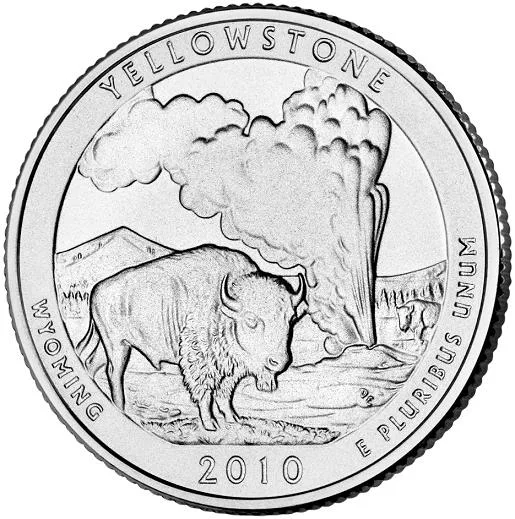
- Yellowstone National Park — Wyoming
- Yosemite National Park — California (El Capitan)
- Grand Canyon National Park — Arizona
- Mount Hood National Forest — Oregon
2011
- Gettysburg National Military Park — Pennsylvania
- Glacier National Park — Montana
- Olympic National Park — Washington
- Vicksburg National Military Park — Mississippi
- Chickasaw National Recreation Area — Oklahoma
2012
- El Yunque National Forest — Puerto Rico
- Chaco Culture National Historical Park — New Mexico
- Acadia National Park — Maine
- Hawai’i Volcanoes National Park — Hawaii
- Denali National Park — Alaska
2013
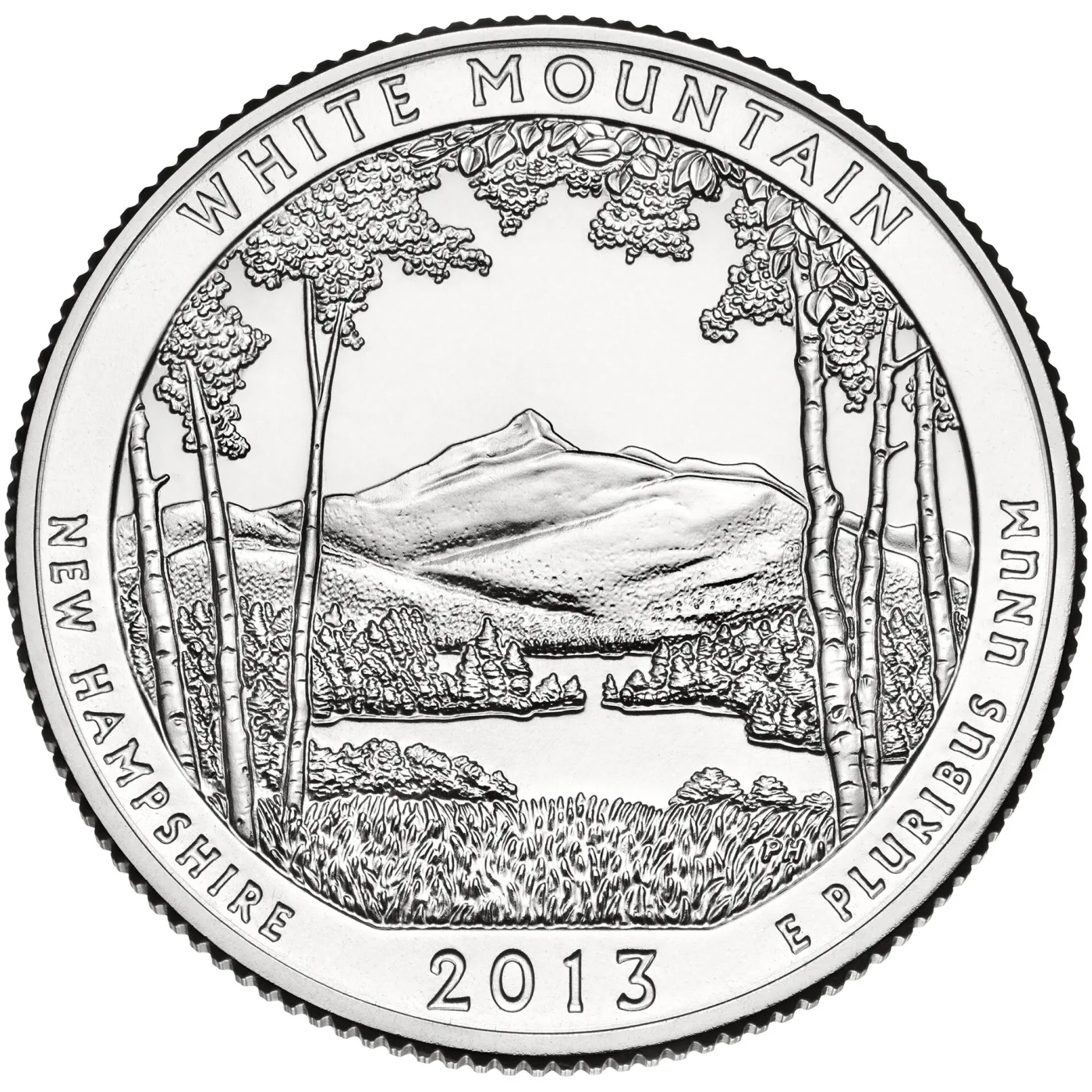
- White Mountain National Forest — New Hampshire
- Perry’s Victory and International Peace Memorial — Ohio
- Great Basin National Park — Nevada
- Fort McHenry National Monument and Historic Shrine — Maryland
- Mount Rushmore National Memorial — South Dakota
2014
- Great Smoky Mountains National Park — Tennessee
- Shenandoah National Park — Virginia
- Arches National Park — Utah
- Great Sand Dunes National Park — Colorado
- Everglades National Park — Florida
2015
- Homestead National Monument of America — Nebraska
- Kisatchie National Forest — Louisiana
- Blue Ridge Parkway — North Carolina
- Bombay Hook National Wildlife Refuge — Delaware
- Saratoga National Historical Park — New York
2016
- Shawnee National Forest — Illinois
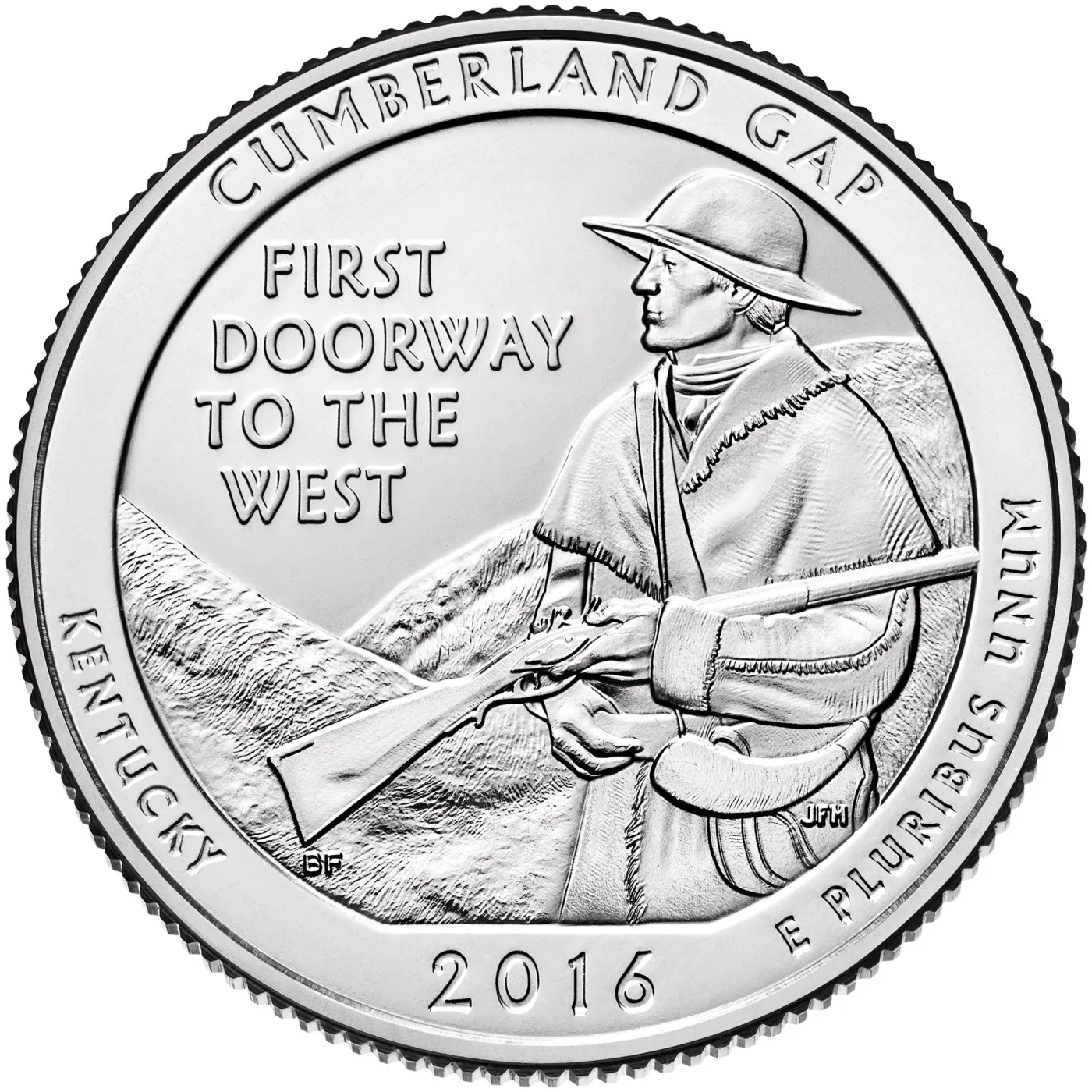
- Cumberland Gap National Historical Park — Kentucky
- Harpers Ferry National Historical Park — West Virginia
- Theodore Roosevelt National Park — North Dakota
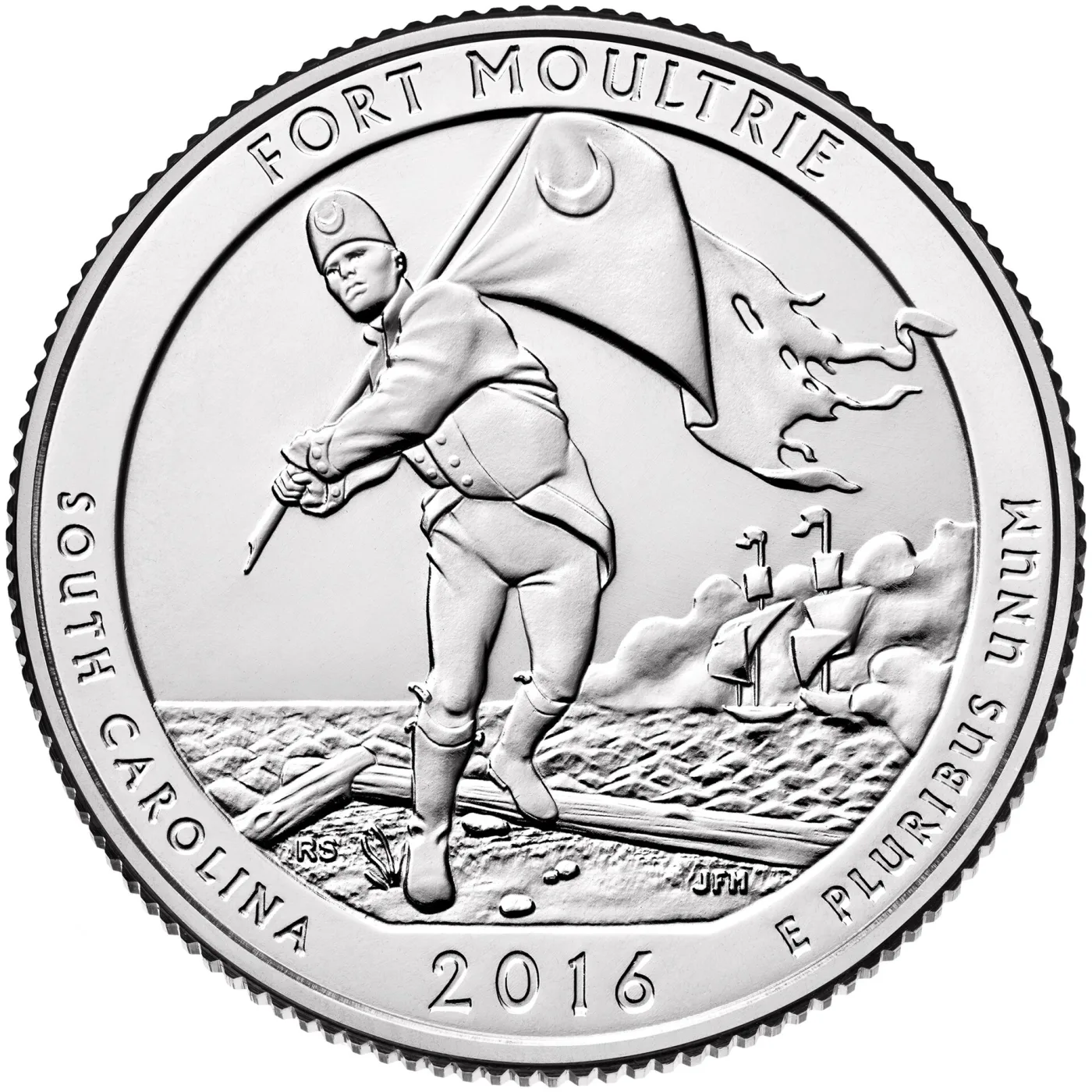
- Fort Moultrie (Fort Sumter National Monument) — South Carolina
2017
- Effigy Mounds National Monument — Iowa
- Frederick Douglass National Historic Site — District of Columbia
- Ozark National Scenic Riverways — Missouri
- Ellis Island (Statue of Liberty National Monument) — New Jersey
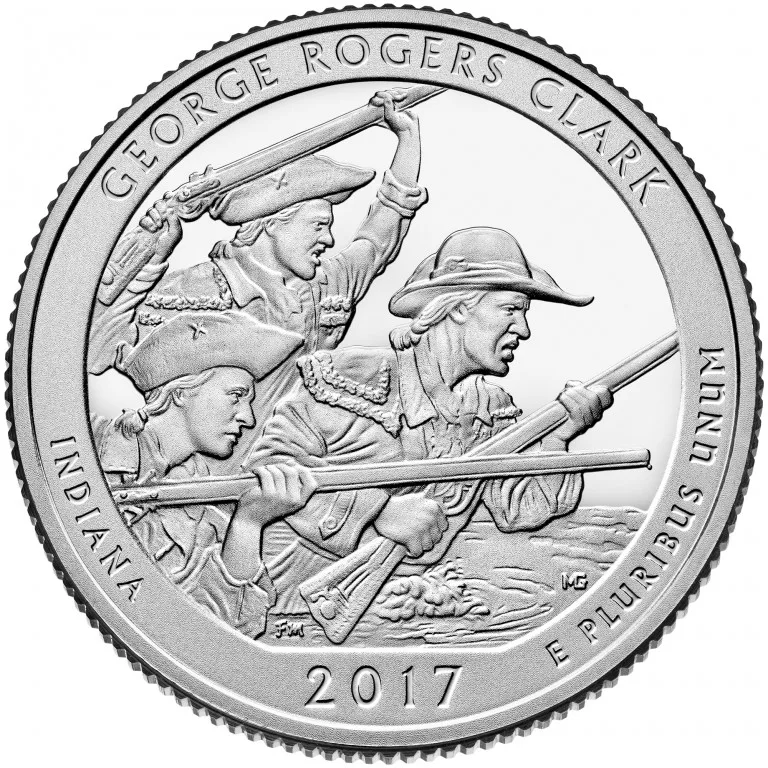
- George Rogers Clark National Historical Park — Indiana
2018
- Pictured Rocks National Lakeshore — Michigan
- Apostle Islands National Lakeshore — Wisconsin
- Voyageurs National Park — Minnesota
- Cumberland Island National Seashore — Georgia
- Block Island National Wildlife Refuge — Rhode Island
2019
- Lowell National Historical Park — Massachusetts
- American Memorial Park — Northern Mariana Islands
- War in the Pacific National Historical Park — Guam
- San Antonio Missions National Historical Park — Texas
- River Raisin National Battlefield Park — Michigan
2019 is the first year with the rare West Point “W” issues — each of these five designs exists as a scarce 2019-W circulating coin.
2020
- National Park of American Samoa — American Samoa
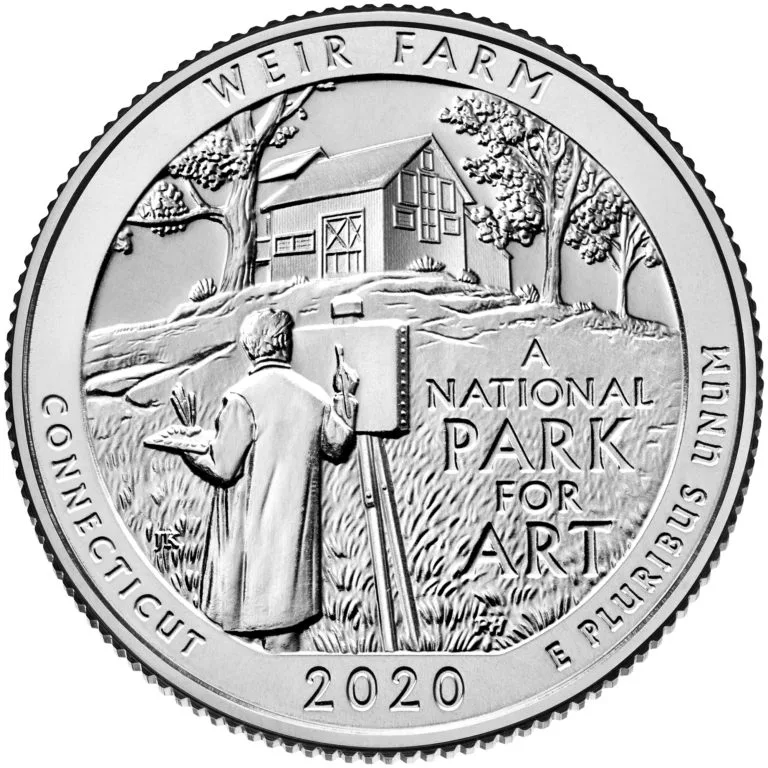
- Weir Farm National Historic Site — Connecticut
- Salt River Bay National Historical Park and Ecological Preserve — U.S. Virgin Islands
- Marsh-Billings-Rockefeller National Historical Park — Vermont
- Tallgrass Prairie National Preserve — Kansas
2020 is the second and final year of West Point “W” issues, and each 2020-W quarter also carries a special “V75” privy mark honoring the 75th anniversary of the end of World War II.
2021
- Tuskegee Airmen National Historic Site — Alabama (the fifty-sixth and final coin, struck P, D, and S only, with the redesigned obverse)

Mint Marks and Where to Find Them
The mint mark is the single most important thing to check after identifying the park, because it determines which mint struck your coin and — for 2019 and 2020 — whether you are holding a common coin or a valuable West Point issue. On every ATB quarter, the mint mark sits on the obverse, to the right of Washington’s queue, at roughly the 3-to-4 o’clock position. For a full treatment of every U.S. mint mark, see our coin mint marks guide.
The Four Mint Marks
- P (Philadelphia): Struck circulating ATB quarters for every design, all eleven years. Philadelphia coins circulate freely and are the “P” half of a standard two-coin-per-design collection.
- D (Denver): Struck circulating ATB quarters for every design. Denver coins circulate freely and are the “D” half of a standard collection.
- S (San Francisco): Struck proof coins (both clad and silver) sold only in collector sets, plus a special “S” business-strike (uncirculated) issue beginning in 2012 that was sold in Mint bags and rolls but not released into general circulation. An “S” ATB quarter always came from a collector product, never from ordinary change.
- W (West Point): Struck only in 2019 and 2020, and only for circulation — a small number of each design released into pocket change nationwide. A W ATB quarter is the prize of the series.
Why the “S” Business Strikes Are Different
Starting in 2012, the Mint sold circulation-quality “S” mint mark ATB quarters directly to collectors in bags and rolls, without ever putting them into general circulation. These are business strikes (not proofs), so they have an ordinary satin finish, but because they were never spent, they exist mostly in uncirculated condition and command a small premium over face value. If you find an “S” ATB quarter, it came out of one of these collector bags or a broken-up proof set.
The 2021 Exception
The final coin, the 2021 Tuskegee Airmen quarter, was struck only at Philadelphia, Denver, and San Francisco — there is no 2021-W ATB quarter. West Point’s circulating-quarter experiment was limited strictly to 2019 and 2020.
The 2019-W and 2020-W West Point Quarters
This is the defining feature of the America the Beautiful series and the reason it deserves its own careful look. In 2019, for the first time in United States history, the West Point Mint struck circulating quarters and released them directly into pocket change — not into collector sets, but into banks and cash registers across the country. It was a deliberate treasure hunt designed to reignite interest in coin collecting, and it worked: “W quarter” searches exploded and people began combing their change again.
2019-W: Five Designs
The Mint struck 2,000,000 of each of the five 2019 designs with the West Point “W” mint mark — that is 10 million W quarters total for the year, seeded into circulation nationwide. The five 2019-W designs are Lowell (Massachusetts), American Memorial Park (Northern Mariana Islands), War in the Pacific (Guam), San Antonio Missions (Texas), and River Raisin (Michigan). Because only 2 million of each exist among billions of ordinary quarters, finding one in change is genuinely uncommon — roughly one in every several thousand quarters you check.
2020-W: Five Designs Plus the V75 Privy Mark
The Mint repeated the experiment in 2020 with the five 2020 designs — National Park of American Samoa, Weir Farm (Connecticut), Salt River Bay (U.S. Virgin Islands), Marsh-Billings-Rockefeller (Vermont), and Tallgrass Prairie (Kansas) — again at 2,000,000 each. What makes the 2020-W coins special is an added privy mark: a small “V75” inside an outline shaped like the Rainbow Pool at the National World War II Memorial, commemorating the 75th anniversary of the Allied victory in 1945. The V75 privy appears on the obverse near the mint mark, and it is unique to the 2020-W quarters — no other ATB coin carries it.
How to Spot a W Quarter
Look at the mint-mark position (right of Washington’s queue) on any 2019 or 2020 quarter. If the letter is a “W,” you have a West Point coin. The “W” is a distinct serif letter, clearly different from the more common “P” and “D.” On 2020 coins, also look for the tiny “V75” privy mark near the mint mark — its presence confirms a 2020-W. Because the coins were released straight into circulation, most surviving examples show wear; a W quarter in gem uncirculated condition is worth substantially more than a worn one.
What They Are Worth
Circulated 2019-W and 2020-W quarters typically bring $10 to $30 each; nicer examples and certified uncirculated coins run higher. In top grades (MS-67, MS-68) the W quarters can bring $50 to several hundred dollars, and the “First Day” or specially designated certified coins carry additional premiums. The 2020-W coins, with the extra V75 privy mark and a slightly smaller effective survival in high grade, often edge out the 2019-W coins in value. These are the only ATB quarters worth pulling from circulation as a matter of routine.
Clad vs Silver Proof Quarters
As with the state quarters, three finishes exist for ATB quarters — circulating clad, clad proof, and silver proof — plus the special “S” uncirculated business strike. Telling them apart drives value more than almost anything except the W issues. There is one important twist unique to this series: the silver composition changed in 2019.
Circulating Clad (the coins in your change)
These are the P, D, and (for 2019-2020) W coins struck for or released into commerce. They have a satiny business-strike finish, a copper-colored stripe visible on the edge (the “sandwich” revealing the copper core), and weigh 5.67 grams. The overwhelming majority of ATB quarters are circulating clad coins worth face value — the exception being the scarce W issues.
Clad Proof (S mint mark)
Clad proofs were struck at San Francisco on copper-nickel clad planchets with polished dies and multiple strikes, giving mirror-like fields and frosted design elements. They show the same copper edge stripe and weigh 5.67 grams. They came only in proof sets and are worth a few dollars each. Remember that “proof” is a method of manufacture, not a grade — for the full explanation, see our proof coins guide.
Silver Proof — and the 2019 Composition Change
Silver proofs are the premium version, struck at San Francisco and sold in special silver proof sets. Here is the key detail: from 2010 through 2018, ATB silver proofs were struck in 90% silver (the traditional coin-silver alloy), weighing 6.25 grams. Beginning in 2019, the Mint switched the silver proof composition to .999 fine silver, and the weight changed to approximately 6.343 grams. Either way, a silver proof shows a solid silver-white edge with no copper stripe — the edge test instantly separates a silver proof from a clad proof, which look identical face-on.
Quick Comparison
- Copper stripe on edge + 5.67 g + satin finish = circulating clad (face value; W issues excepted)
- Copper stripe on edge + 5.67 g + mirror finish + “S” = clad proof ($2-$6)
- Solid silver edge + ~6.25-6.34 g + mirror finish + “S” = silver proof ($8-$20+)
- Solid silver edge + 3-inch diameter + 5 troy oz = the giant “hockey puck” bullion coin ($100+)
Collectible Errors and Varieties
The America the Beautiful series did not produce a single blockbuster die variety on the scale of the state quarters’ Wisconsin Extra Leaf, but it has its own valuable errors and a few named varieties worth knowing. As always, the value in a modern series is concentrated in dramatic mint errors and top-grade condition rarities. For a broader treatment of how mint errors happen, see our error coins guide.
The Missing Clad Layer
One of the most common and collectible ATB errors is a coin struck missing one of its outer copper-nickel clad layers, exposing the pure copper core on one side. These “missing clad layer” quarters show a distinctly copper-colored face and weigh less than a normal 5.67-gram coin. Genuine examples bring roughly $25 to $150 depending on the design and how complete the missing layer is.
Off-Center Strikes, Broadstrikes, and Clipped Planchets
Standard striking and planchet errors occur on ATB quarters as on any modern coin. An off-center strike (design struck off-center, leaving a blank crescent) is worth more the more dramatic it is while still showing the date and design — typically $20 to a few hundred dollars. Broadstrikes (struck without the retaining collar, so the coin spreads and loses its reeding) and clipped planchets (a curved or straight piece missing from the edge) bring similar modest-to-moderate premiums.
Doubled Dies and Die Cracks
Various ATB designs show minor doubled dies and die-crack varieties cataloged by specialists. A strong, genuine doubled die can bring a premium, but the overwhelming majority of “doubling” people find is worthless machine doubling (also called strike doubling) — flat, shelf-like doubling from die chatter rather than a misaligned hub. Learning to tell a true doubled die from machine doubling is essential before paying anything extra.
Wrong-Planchet and Off-Metal Errors
Occasionally an ATB quarter was struck on a planchet intended for another denomination — a nickel, a cent, or a foreign coin the Mint was producing under contract. These dramatic errors can bring hundreds to thousands of dollars depending on the host planchet and eye appeal. Any suspected wrong-planchet coin should be weighed and authenticated.
The 2019-W and 2020-W “Errors” That Aren’t
A word of caution: the W quarters are not errors — they are intentional, authorized issues. But because they are unfamiliar, some sellers list them as “rare error quarters” at inflated prices, and others try to alter a common P or D mint mark into a “W.” A genuine W is a crisply struck, integral part of the die; an added W shows tooling marks and disturbed metal at its base. Buy high-value W coins certified.
How to Grade ATB Quarters
Since circulated ATB quarters (other than the W issues) are worth face value, grading mainly matters at the uncirculated end of the scale and for the W coins. Value in ordinary ATB quarters is a condition-rarity game: how close to perfect is the coin?
The Grades That Matter
- Circulated (below MS-60): Face value for P and D coins. A worn 2019-W or 2020-W still carries a premium ($10-$30) because of its scarcity.
- MS-63 to MS-64: Uncirculated with noticeable contact marks. Small premium at best for P/D; solid premium for W.
- MS-65 to MS-66: Gem uncirculated with strong luster and minimal marks. Modest premiums, higher for W coins and tougher designs.
- MS-67: Superb gem. Meaningful money appears here for many designs, and W coins can bring $50-$150+.
- MS-68 and above: Condition rarities. Top-population P/D coins can bring hundreds; top-grade W coins can bring several hundred dollars or more.
What Graders Look At
On uncirculated ATB quarters, grade comes down to contact marks (nicks from other coins in the bin), luster (the frosty cartwheel sheen of an original surface), and strike quality. Washington’s cheek and the high points of the landscape design are the first places to show contact marks. Because these are modern coins with no wear-based grade, the numbers cluster tightly at the top — the difference between MS-66 and MS-68 can be a single small mark visible only under magnification.
Proof Grading
Proof ATB quarters grade on the PR (or PF) scale and almost always come back PR-69 Deep Cameo or PR-70 Deep Cameo because they were carefully made and packaged. “Deep Cameo” (DCAM) refers to the strong contrast between mirror fields and frosted design. Impaired proofs — with hairlines, spots, or fingerprints — grade lower. For the full grading picture across all U.S. coins, see our coin grading guide.
Current Market Values
The values below are approximate 2026 retail figures. They swing with silver prices (for silver proofs and the 5-ounce coins) and collector demand, but the tiers are stable.
Circulating Clad (P and D, any design)
Face value in circulated condition. From bank rolls, uncirculated singles run $1-$2. In MS-65 they bring $2-$10, in MS-67 typically $15-$80, and in MS-68 they become condition rarities worth hundreds. No non-W, non-error ATB quarter is rare in absolute terms — the premiums are about grade.
2019-W and 2020-W (the real circulation upside)
These are the only ATB quarters worth searching change for. Circulated examples bring $10-$30; certified uncirculated coins run $30-$150+, with MS-68 and specially designated coins higher. The 2020-W coins carry the extra V75 privy mark and often bring a bit more than their 2019-W counterparts. Across a complete ten-coin W set (five 2019 plus five 2020), expect to spend a few hundred dollars for a nice circulated set and considerably more for certified gems.
Clad and Silver Proofs (S)
Individual clad proof ATB quarters run $2-$6 each; a complete 56-coin clad proof run assembles for $50-$120. Silver proofs run $8-$20+ each, tracking silver spot plus a collector premium; a complete silver proof run (with the composition change from 90% to .999 silver in 2019) assembles for $300-$600. The “S” uncirculated business strikes (2012 onward) bring small premiums, typically $2-$5 each.
The 5-Ounce Silver Bullion Coins
Each design’s giant 5-troy-ounce .999 silver coin trades at bullion value plus a premium — generally $130-$250+ each depending on the design’s popularity, the finish (bullion vs numbered specimen), and silver spot. A few low-mintage early designs (notably the 2010 issues and Hot Springs) command strong premiums.
Complete Circulation Sets
A complete 56-design P-and-D set (112 coins) in uncirculated condition from rolls runs $60-$150. In a nice album in MS-65, $200-$350. Adding the W coins and the proof and silver proof sets pushes a “complete everything” ATB collection well into the hundreds or low thousands of dollars.
What Drives Value
For ATB quarters specifically, value is driven by (1) the W mint mark above all, (2) dramatic mint errors, (3) silver-proof and 5-ounce silver content, and (4) top-tier uncirculated grade. As with any modern base-metal coin, date and design matter far less than they do for older silver series. A common-date Morgan Silver Dollar derives value from age and silver; an ATB quarter derives it almost entirely from the W issues, errors, silver content, and condition.
Authentication and Fakes
Ordinary ATB quarters are not counterfeited — they are worth 25 cents. The authentication problem is entirely about altered W coins and fake errors: doctoring common coins to imitate the valuable pieces.
Altered “W” Mint Marks
Because the 2019-W and 2020-W coins are the only valuable regular issues, they are the target of alteration. A dishonest seller may try to add a “W” to a common 2019 or 2020 P or D quarter, or reshape an existing mint mark. Under 10x magnification, a genuine W is crisply struck, smoothly integral to the surface, and shares the same luster as the surrounding field. An added or altered W shows tooling marks, disturbed or scratched metal at its base, and often a slightly wrong letter shape. On 2020 coins, confirm the V75 privy mark is present and genuine as well. Buy any W coin worth more than $30-$50 already certified by PCGS, NGC, ANACS, or ICG.
Fake Doubling
Many coins offered as “doubled die” errors show only machine doubling — flat, shelf-like, often-slanted doubling caused by the die bouncing during striking. True doubled dies show rounded, separated, notched design elements because the doubling was hubbed into the die itself. When in doubt, machine doubling adds no value.
Fake “Missing Clad Layer” and Environmental Damage
A genuine missing-clad-layer error is copper-colored on an entire face and weighs light; a coin that has simply been acid-treated or has post-mint copper exposure is not the same thing and carries no premium. Weigh suspected clad-layer errors and compare to published examples. Any ATB error worth more than $50-$100 is worth submitting for authentication.
Cleaned and Damaged Coins
Cleaning destroys the original luster that uncirculated and W coins depend on for grade and value. A cleaned coin grades “Details” at the major services and sells at a steep discount. Environmental damage, spots, and PVC residue from cheap flips likewise ruin a coin’s grade. Never clean an ATB quarter — especially not a W coin.
Building a Complete Set
ATB quarters are an ideal collection — affordable, still findable in change, and the natural continuation of a state-quarters folder. Several collecting paths suit different goals and budgets.
The Circulation Set from Change and Rolls
The classic approach: fill a folder with one coin of each of the fifty-six designs pulled from pocket change or bank rolls. A “P and D” set (112 coins) can be assembled for little more than face value plus a folder — though the later dates (2019-2021) are harder to find worn in change since fewer circulated. This is a perfect first collection and teaches mint-mark identification naturally.
The W-Quarter Hunt
The signature ATB pursuit: searching circulation for the ten 2019-W and 2020-W quarters. Many collectors keep a dedicated folder for just the W coins. You can also simply buy them — certified or raw — but pulling one from your own change is the thrill the Mint designed the program around.
The Uncirculated (Mint Set) Set
The Mint sold annual uncirculated sets containing the P and D coins for each year’s five designs. Assembling all years gives a complete uncirculated P-and-D set in original packaging. Budget $80-$200 depending on packaging condition.
The Proof and Silver Proof Sets
The San Francisco clad proof sets give a complete 56-coin clad proof collection ($50-$120). The silver proof sets — spanning the 2019 switch from 90% to .999 fine silver — give the premium version at $300-$600 for the full run and add a silver bullion floor.
The 5-Ounce Silver Set
The most expensive path: collecting all fifty-six giant 5-ounce silver coins. A complete set represents 280 troy ounces of silver and runs several thousand dollars, with the low-mintage early designs commanding the biggest premiums. Most collectors buy favorite designs rather than the whole run.
The Graded Registry Set
Advanced collectors chase the finest-known examples of each design, submitting coins to PCGS or NGC and competing in registry sets. A complete MS-67+ set (including top-grade W coins) can cost hundreds to low thousands of dollars, with the toughest condition rarities driving most of the cost.
Budget Tips
Start free by pulling P and D coins from change and rolls, and hunt the W coins as your chase. Buy a good folder or Dansco/Whitman ATB album to protect and display the set. Prioritize original, uncleaned surfaces over raw grade. Buy expensive W coins and errors already certified rather than gambling on raw examples.
Storage and Handling
Even though most ATB quarters are worth face value, the uncirculated coins, proofs, silver pieces, and W issues that carry premiums are vulnerable to the same damage that affects any modern coin. Good habits protect the coins worth protecting.
Handling
Hold coins by the edges, never touching the faces. Fingerprints etch permanently into proof surfaces and lower the grade. Work over a soft cloth so a dropped coin is not dented. For proofs, high-grade uncirculated coins, and W quarters, cotton or nitrile gloves are worth the trouble.
Holders and Albums
Use inert, coin-safe holders. Air-Tite capsules and Mylar 2x2 flips are safe. Dansco and Whitman ATB albums are purpose-made for the series and are the classic display format. The one rule never to break: avoid soft PVC flips, the flexible clear ones that smell like a beach ball. PVC plasticizer migrates onto coins and leaves a green, sticky residue that permanently damages the surface within a few years.
Environment
Store coins cool, dry, and stable. Humidity causes spotting on clad and toning on silver proofs; silica gel packets help and should be refreshed periodically. Keep coins away from sulfur sources (newsprint, rubber bands, some cardboard and adhesives) that accelerate tarnish. These are the same preservation principles that protect any 21st-century coin, from a Roosevelt Dime to a silver proof set.
Cleaning: Don’t
Never clean an ATB quarter. On an uncirculated, proof, or W coin, cleaning strips the luster and hairlines the surface, turning a gradeable coin into a “Details” coin worth a fraction as much. On a circulated coin it accomplishes nothing except potential damage. If a valuable error or W coin has a real problem (active corrosion, PVC residue), consult a professional conservation service rather than attempting a home remedy.
Frequently Asked Questions
Are America the Beautiful quarters worth anything?
Most are worth face value. ATB quarters were struck in the hundreds of millions per design, so ordinary circulated P and D examples will never be rare. The exceptions that carry real value are the 2019-W and 2020-W West Point coins (the only ones worth pulling from change), dramatic mint errors, the San Francisco silver proofs, the giant 5-ounce silver coins, and top-tier uncirculated coins graded MS-67 and above.
What is the rarest America the Beautiful quarter?
Among circulating coins, the 2019-W and 2020-W quarters are the scarce ones, with just 2,000,000 of each design struck and released into circulation. Among those, high-grade certified W coins and the 2020-W issues (which carry the V75 privy mark) tend to be the most sought after. No P or D design is significantly rarer than another — for the regular coins, value comes from grade, not date.
What does the "W" on my quarter mean?
A "W" mint mark means the coin was struck at the West Point Mint. For quarters, this only happened in 2019 and 2020, when the Mint released a small number of "W" America the Beautiful quarters directly into circulation as a treasure hunt — the first-ever circulating "W" coins. If you find a 2019 or 2020 quarter with a "W" to the right of Washington's ponytail, you have a scarce and collectible coin worth well above face value.
What is the V75 privy mark on 2020 quarters?
The "V75" privy mark is a small design element added to the 2020-W quarters, showing "V75" inside an outline of the Rainbow Pool at the National World War II Memorial. It commemorates the 75th anniversary of the Allied victory (V-Day) in 1945. It appears near the mint mark on the obverse and is unique to the 2020-W coins — no other ATB quarter carries it, so its presence confirms a genuine 2020-W.
How do I know which park my quarter shows?
Read the reverse (the side without Washington's head). Every ATB quarter names the honored national site and the state or territory it represents, along with the year and "E PLURIBUS UNUM." The scene in the field — a mountain, waterfall, animal, lighthouse, or monument — matches that named site. That year (2010-2021) is on the reverse too — the obverse of an ATB quarter carries no date — and it tells you which release group of five the coin belongs to.
How can I tell a silver ATB quarter from a regular one?
Only San Francisco silver proofs (mint mark "S") and the giant 5-ounce coins are silver, and neither was released into circulation. Look at the edge: a silver proof has a solid silver-white edge, while a clad coin shows a copper-colored stripe. A silver proof also weighs about 6.25 grams (90% silver, 2010-2018) or about 6.34 grams (.999 silver, 2019-2021), versus 5.67 grams for clad. If your coin came from pocket change, it is clad.
Why is the release order not alphabetical or by statehood?
Sites were released in the order they were first established as federal national sites — not alphabetically and not by when the state joined the Union. That is why Arkansas's Hot Springs, a federal reservation since 1832, led off in 2010, and Alabama's Tuskegee Airmen site closed the program in 2021. This establishment-date ordering is the key to the sequence.
Should I clean my ATB quarters?
No. Cleaning removes the original luster on uncirculated, proof, and W coins, leaves hairline scratches, and lowers both grade and value — a cleaned coin grades "Details" and sells at a steep discount. On circulated coins cleaning does nothing useful. Store them properly instead, and leave conservation of any valuable error or W coin to a professional service.
Do America the Beautiful quarters still circulate?
Yes. The 2010-2021 ATB quarters are legal tender and still turn up regularly in change and bank rolls alongside the earlier 50 State Quarters and the newer American Women quarters. Because so many were made, worn P and D examples remain common and stay at face value — but every 2019 and 2020 quarter is worth a quick check for a "W."
How many coins are in a complete America the Beautiful set?
A basic complete set is 56 coins (one design per state, DC, and each of the five territories). A standard "P and D" set is 112 coins. Adding the ten 2019-W and 2020-W coins, the clad and silver proof runs, and the 5-ounce silver coins expands the set considerably. Most collectors aim for the 56-design P-and-D folder plus the W hunt as the core goal.