Error Coins & Mint Errors Identification Guide: Doubled Dies, Off-Center Strikes, Repunched Mint Marks, Clipped Planchets, Broadstrikes, Mules, Grading, and Values
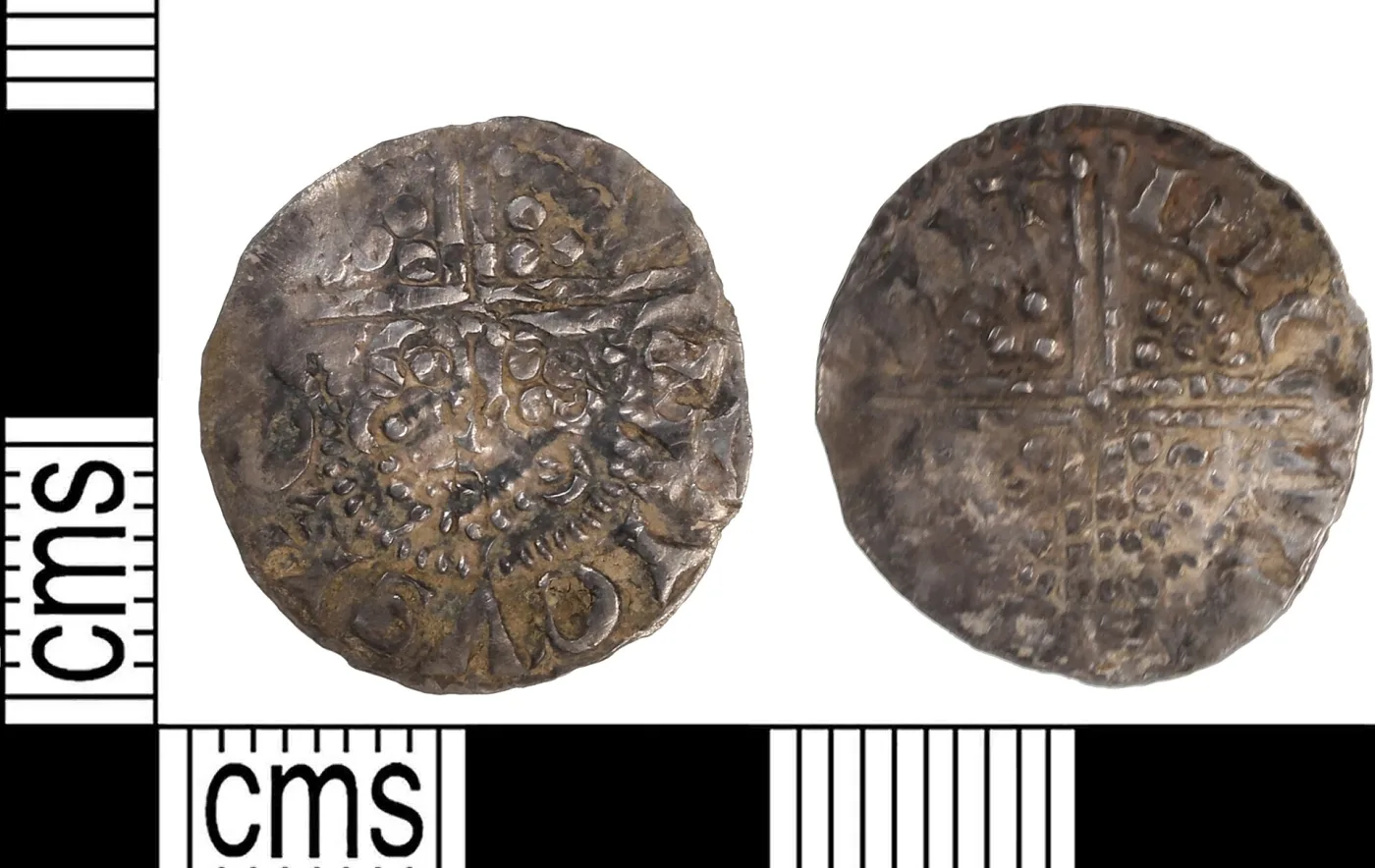
Error coins are the coins the Mint never meant to release — pieces that escaped quality control with a mistake struck permanently into the metal. A die that was engraved twice, a planchet that slipped sideways at the moment of striking, a blank of the wrong metal that wandered into the wrong press: each accident produces a coin that is, by definition, one of a kind or one of a tiny few. For collectors, error coins occupy a special and slightly mischievous corner of numismatics, because unlike the carefully planned key dates of a regular series, an error is the result of pure chance — and some of those chances are worth thousands of dollars.
The appeal is obvious. Most of us will never find a rare 1893-S Morgan dollar in pocket change, but error coins really do still turn up in circulation, in bank rolls, and in inherited jars of “junk” change. A 1955 doubled-die cent could be sitting in a coffee can in someone’s garage right now. A dramatic off-center strike might be hiding in a roll of pennies from the bank. This is the one area of coin collecting where the dream of “finding treasure in your change” is genuinely realistic — which is exactly why error coins are among the most-searched topics in all of coin collecting.
But the field is also riddled with confusion and misinformation. The internet is full of people convinced that an ordinary worn coin, a piece of post-mint damage, or a bit of harmless “machine doubling” is a rare and valuable error. The single most important skill in error collecting is learning to tell a true mint error — a mistake that happened at the Mint, during manufacture — from ordinary wear, environmental damage, or deliberate alteration that happened after the coin left the Mint. This guide is the complete 2026 reference for doing exactly that. It explains the three great families of mint errors (planchet, die, and striking errors), walks through every major error type with its diagnostics, catalogs the famous valuable errors every collector should know, shows you how to separate real errors from worthless look-alikes, and lays out how error coins are graded, authenticated, and valued.
What Counts as a Mint Error
A mint error is a coin that left the Mint with a mistake created during the manufacturing process — the cutting of the planchet, the making of the die, or the striking of the coin. The defining word is during manufacture. If the mistake happened while the coin was being made, it is a genuine error and can carry a premium. If the “mistake” happened afterward — through wear, corrosion, accident, or someone’s deliberate tampering — it is not an error at all, and usually has no added value.
Mint Errors vs Varieties
Collectors distinguish errors from varieties, though the line blurs. An error is a one-off accident unique to a single coin or a small group: an off-center strike, a coin struck on the wrong planchet, a clipped blank. A variety is a repeatable difference built into a die that affects every coin struck from that die: a doubled die, a repunched mint mark, an overdate. Because a doubled die is engraved into the working die itself, every coin struck from that die shows the same doubling — so doubled dies are technically die varieties, but they are universally collected and discussed under the “error” umbrella, and we cover them fully here.
The Three Killers of Value: Damage, Wear, and Alteration
Before learning what a real error looks like, internalize the three things that are not errors. Post-mint damage (PMD) is anything that happened to the coin after it entered circulation — gouges, dents, cuts, holes, acid etching, coins run over by cars or caught in machinery. Wear is the smooth, even loss of detail from circulation. Alteration is deliberate tampering — added or removed mint marks, re-engraved dates, coins ground or polished to fake an error. The overwhelming majority of “is this a rare error?” coins are actually one of these three. Learning to recognize them is the foundation of the hobby.
How Coins Are Made (and Where Errors Happen)
You cannot identify mint errors without understanding how a coin is manufactured, because every error type maps directly to a specific step in the process. The modern minting process has three main stages, and each produces its own family of errors.
Step 1: The Planchet (the Blank)
Coinage metal is rolled into long strips of the correct thickness, and a blanking press punches round blanks out of the strip like a cookie cutter. These blanks are run through an upsetting mill that raises a rim, turning a “blank” into a “planchet” ready for striking. Errors at this stage — bad metal, blanks punched from the edge of the strip, blanks of the wrong size or composition — are planchet errors.
Step 2: The Dies
The design is engraved (today, mostly by reduction from a large model) onto a master hub, which is used to make working hubs, which in turn impress the design into the working dies that actually strike coins. If something goes wrong while the design is being impressed into a die — a misaligned second impression, a punch placed twice — the flaw is reproduced on every coin struck from that die. These are die errors and varieties, including the famous doubled dies. Dies also wear out, crack, and break in use, producing die cracks, cuds, and die clashes.
Step 3: The Strike
A planchet is fed into the coining press between an obverse die and a reverse die, surrounded by a collar that forms the edge. The dies slam together under enormous pressure, squeezing the design into both faces simultaneously. If the planchet is mispositioned, the collar fails, two planchets stack up, or a foreign object gets between die and planchet, the result is a striking error — off-center strikes, broadstrikes, double strikes, brockages, and struck-through errors.
Keep this three-step model in mind for the rest of the guide. Every error you will ever encounter is the fingerprint of a malfunction at the blanking press, the die shop, or the coining press.
The Three Families of Mint Errors
Professional error attributors and the major grading services organize mint errors into three broad categories that correspond to the manufacturing stages above. Learning these three families gives you a mental filing cabinet for every error you encounter.
1. Planchet Errors
Something was wrong with the blank before it was struck: the metal was defective, the blank was the wrong shape or size, or it was the wrong composition entirely. Examples: clipped planchets, laminations, wrong-metal/wrong-planchet strikes, defective and improperly annealed planchets, and unstruck blanks.
2. Die Errors
Something was wrong with the die that struck the coin — either how it was made or how it deteriorated in use. Examples: doubled dies, repunched mint marks and dates, overdates, die cracks, cuds (broken-die pieces), die clashes, and worn or “rotated” dies.
3. Striking Errors
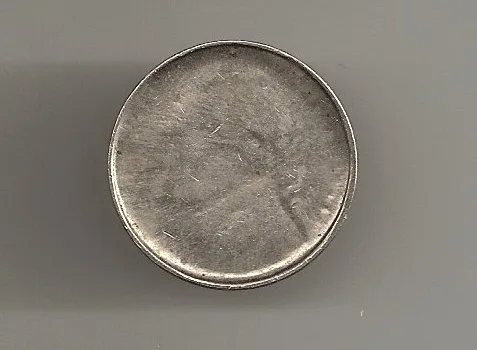
The planchet and dies were fine, but something went wrong at the moment of striking — the planchet was misaligned, the collar failed, two coins collided, or debris intervened. Examples: off-center strikes, broadstrikes, double and multiple strikes, brockages, indents, struck-through errors, and die caps.
Some errors are combinations — an off-center strike on a clipped planchet, for instance — and combination errors often carry extra premiums. But almost every mint error can be sorted into one of these three families, and identifying which family you are looking at is the first analytical step.
Planchet Errors
Planchet errors originate at the blank-making stage, before the coin is ever struck. They are among the most common errors found in circulation because defective blanks slip through in modest numbers.
Clipped Planchets
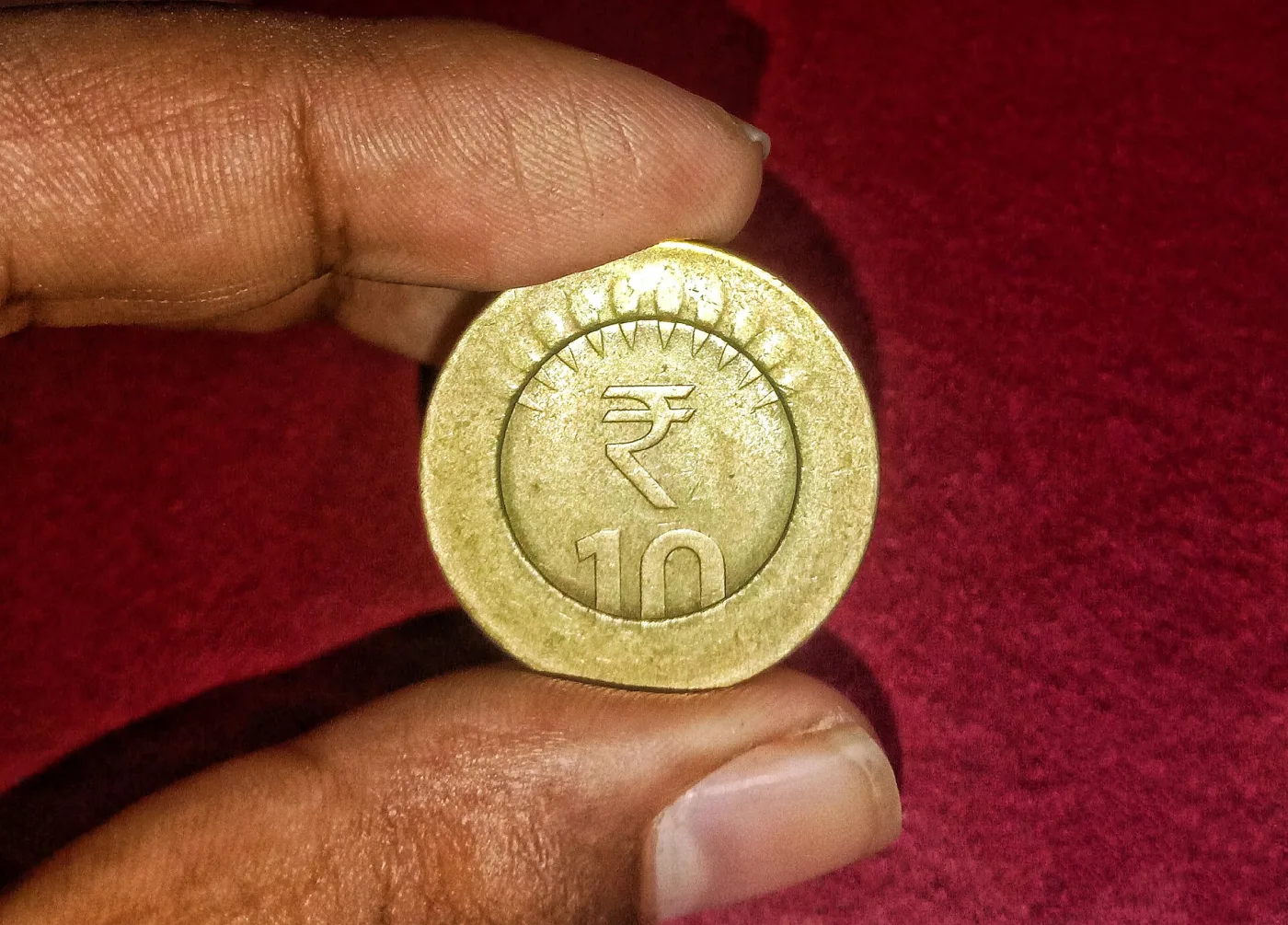
A clipped planchet occurs when the blanking press punches a blank that overlaps a spot where a blank was already removed, or that runs off the end or side of the metal strip. The result is a coin with a piece “missing” — a curved clip (the most common, from overlapping a previous punch), a straight clip (from the end of the strip), a ragged clip (from the irregular end of the strip), or an elliptical clip. The genuine article shows the “Blakesley effect” — a corresponding flatness or weakness in the rim on the side opposite the clip, caused by the rim-upsetting machine failing to apply full pressure across the incomplete blank. The metal at the clipped edge also shows the smooth, slightly rounded flow of a struck-then-clipped piece, not the sharp torn edge of post-mint cutting. Beware: a coin cut or filed after minting is the most common fake clip, and the absence of the Blakesley effect and the presence of a sharp, bright cut edge give it away.
Lamination Errors and Cracks
A lamination is a flaw in the metal itself — an impurity, gas pocket, or imperfect bonding within the planchet that causes a thin layer of metal to peel, flake, or crack away from the surface, either before or after striking. Laminations look like a section of the coin’s surface has split or delaminated. They are especially common on wartime alloys and on the wartime “silver” nickels and steel cents. Most laminations are minor and carry modest premiums; large, dramatic peels are more desirable.
Wrong-Composition and Defective Planchets
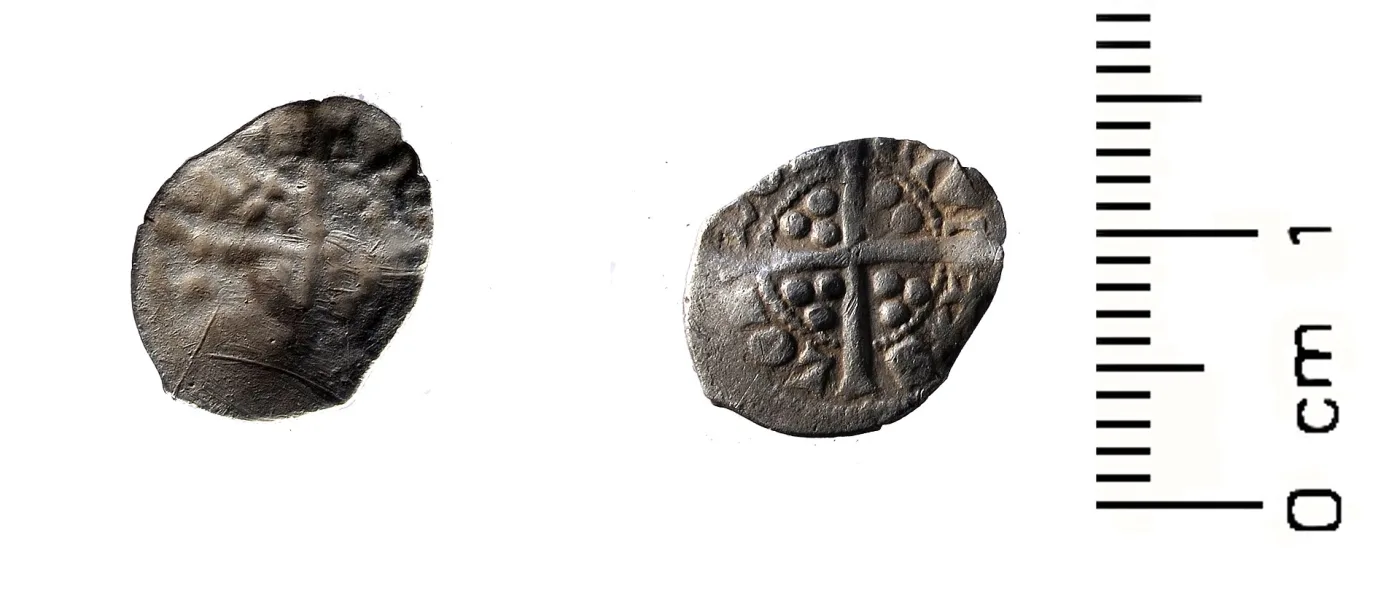
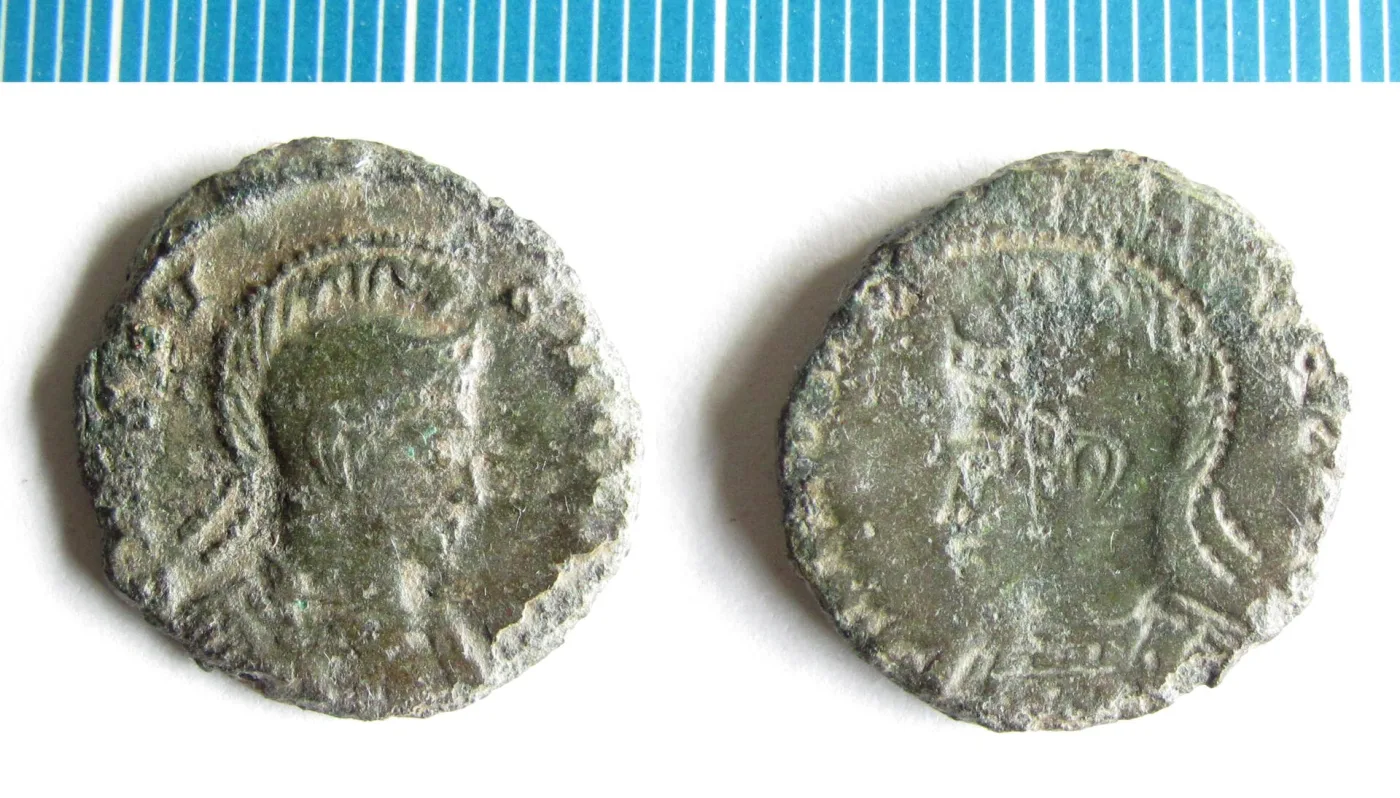
Sometimes a planchet of the correct denomination is made from improperly mixed or improperly annealed metal, producing a coin of abnormal color, a “sintered” or “burnt” appearance, or unusual toning. Improperly annealed planchets can come out unusually dark or unusually bright. These are subtle errors that require experience (and often certification) to confirm, because environmental damage and artificial toning mimic them.
Unstruck Blanks and Planchets
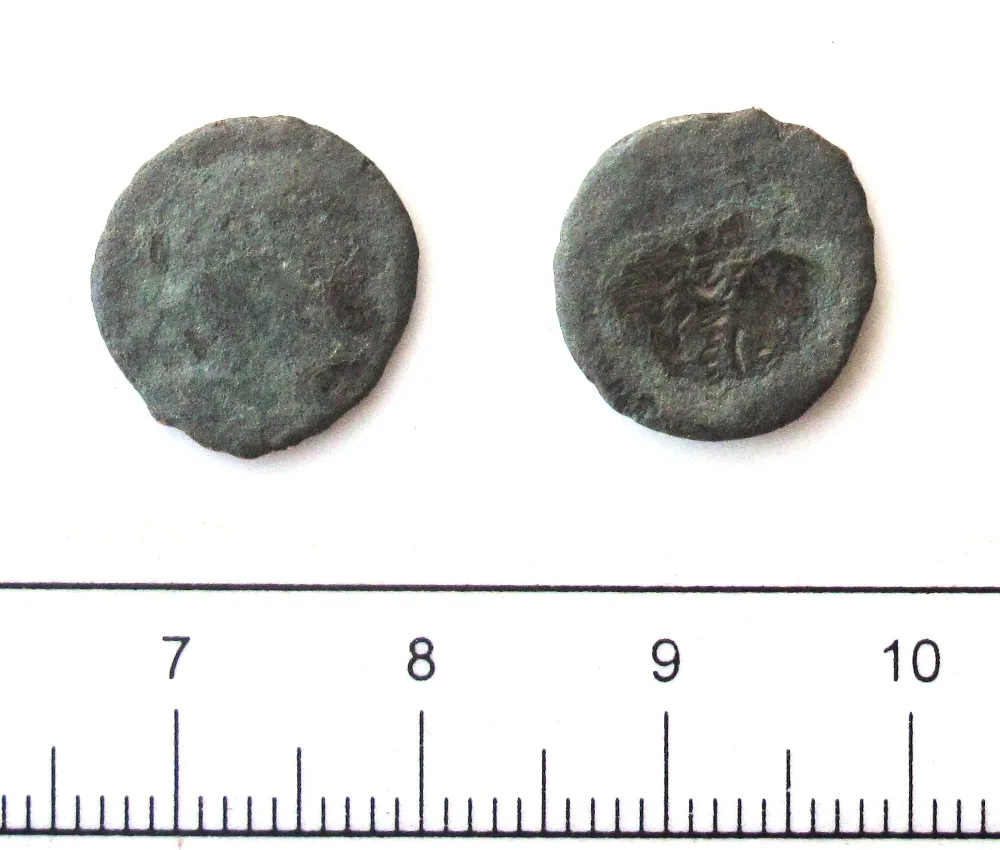
Occasionally an unstruck blank (no rim) or planchet (with rim) escapes the Mint entirely, never having been struck. A genuine unstruck blank of the correct weight and composition for its denomination is a collectible error, though a relatively modest one. The presence or absence of the upset rim distinguishes a “type 1 blank” (no rim) from a “type 2 planchet” (rim).
Die Errors (Including Doubled Dies)
Die errors are reproduced on every coin struck from the affected die, which is what makes them collectible varieties rather than one-off accidents. The most famous and valuable errors in American numismatics — the doubled-die cents — belong to this family.
Doubled Dies (DDO and DDR)
A doubled die is created during die manufacture, when the working die receives more than one impression from the hub at slightly different angles or positions. Because the die itself carries a doubled image, every coin struck from that die shows the same doubling — in the lettering, the date, or the design. Doubling on the obverse is a “Doubled Die Obverse” (DDO); on the reverse, a “Doubled Die Reverse” (DDR). True hub doubling shows separation with rounded, fully formed elements — you see two complete, raised, distinct images (two complete dates, two sets of letters), each with its own clear edges and often with notching at the corners of letters. This is the diagnostic that separates a valuable doubled die from worthless machine doubling (covered in its own section below). The legendary examples — the 1955, the 1972, and the 1969-S Lincoln cents — are all dramatic DDOs visible to the naked eye, and our dedicated doubled die identification guide catalogs them and the modern varieties in full.
Repunched Mint Marks (RPM) and Dates
Before mint marks were added to the master die (a change that happened in the early 1990s), mint marks were punched into each working die by hand. If the punch was applied more than once at a slightly different position, the result is a repunched mint mark (RPM) — a doubled, tripled, or offset mint-mark letter. Similarly, repunched dates show a doubled or shifted numeral. An over-mintmark (like a “D over S”) occurs when a die punched with one mint mark was re-punched with another. These are popular and affordable varieties, especially on Lincoln cents and Jefferson nickels, though they disappeared from the cent once mint marks moved to the master die — by the era of the modern Lincoln Shield cent, doubled dies and plating flaws had become the varieties to hunt instead.
Die Cracks and Cuds
Dies are steel and they fail in use. A die crack is a crack in the die face that fills with metal during striking, producing a raised, irregular line on the coin (raised because the crack is a void the planchet metal flows into). A large die break at the rim, where a chunk of the die has broken away completely, produces a cud — a raised, featureless blob of metal on the coin at the rim, with corresponding flatness opposite. Cuds are collectible; large, dramatic cuds command premiums, while tiny die cracks are extremely common and usually add little value.
Die Clashes
If the dies come together with no planchet between them, they strike each other and each die picks up a faint impression of the other’s design. Coins subsequently struck from those clashed dies show ghostly, transferred design elements in the fields — for example, traces of the reverse design appearing faintly in the obverse field. The famous “Bugs Bunny” Franklin half dollar is a die-clash variety in which clash marks gave Franklin a buck-toothed appearance. See the Franklin Half Dollar guide for the full story of that beloved variety.
Misaligned and Rotated Dies
If one die is set off-center relative to the other, coins show a misaligned die strike — the design is shifted toward one side but the coin is still round and fully struck (distinguishing it from an off-center strike). A rotated die error occurs when one die is turned relative to the other, so the reverse is rotated relative to the obverse (instead of the normal “coin alignment,” where flipping top-to-bottom shows the reverse upright). Significant rotations — 90 degrees or more, and especially 180 degrees — carry premiums.

Striking Errors
Striking errors happen at the coining press — the planchet and dies were fine, but something went wrong in the instant of striking. These are often the most visually dramatic errors and the easiest for a beginner to recognize.
Off-Center Strikes
An off-center strike occurs when the planchet is not properly centered between the dies, so only part of the planchet is struck and the design appears shifted to one side, with a blank crescent of unstruck planchet on the other. Off-center strikes are described by how far off they are — “10% off-center,” “50% off-center,” and so on. Counter-intuitively, the most desirable off-centers are usually those struck about 50% off-center but with a full, complete date still visible, because that combination is both dramatic and identifiable. A 5% off-center is barely an error; a 60% off-center with the date present is a prize.
Broadstrikes
A broadstrike happens when the retaining collar (the ring that forms the edge and holds the planchet in place) fails or is not in position, so the coin spreads out wider and thinner than normal under striking pressure. The design is centered and complete, but the coin is oversized, with a smooth, expanded rim and no reeding or edge lettering. Broadstrikes are fully struck, round (or nearly so), and larger than a normal coin of that denomination.
Double and Multiple Strikes
If a struck coin fails to eject and is struck again, it receives a double strike (or multiple strike). The second strike may be on-center (creating overlapping, blurred images) or off-center (creating two distinct, overlapping designs). Dramatic multiple strikes — a coin struck three or more times, or struck and flipped between strikes — are spectacular and valuable. These differ from doubled dies: a double strike shows two full impressions of the entire coin design, while a doubled die shows doubling of specific design elements due to the die itself.
Brockages and Die Caps
A brockage is one of the most striking errors: an already-struck coin sticks to one die and acts as a “die” itself for the next planchet, impressing a mirror-image, incuse (sunken) version of its design onto the new coin. A genuine brockage shows a normal design on one side and a sunken, reversed (mirror-image) version of the same design on the other. If a struck coin stays stuck to the die through many strikes, it deforms into a thimble shape called a die cap. Brockages and die caps are dramatic, sought-after errors.
Struck-Through Errors and Indents
A struck-through error occurs when a foreign object — grease, a wire, a fragment of metal, cloth, or another planchet — lies between the die and the planchet at the moment of striking, leaving an impression or obscuring part of the design. A struck-through grease (filled-die) error shows weak or missing design elements where hardened grease filled the die’s recesses; these are common and usually minor. A dramatic struck-through that leaves a clear impression of the foreign object (a “struck-through wire” or “struck-through cloth”) is more desirable. An indent occurs when a second planchet partially overlaps the planchet being struck, leaving a blank, depressed area where the design should be.
Wrong Planchet and Mule Errors
Two of the most valuable error categories deserve their own section, because they produce some of the most famous and expensive error coins ever made: wrong-planchet (off-metal) strikes and mules.
Wrong Planchet / Off-Metal Strikes
A wrong-planchet error occurs when a planchet intended for one denomination is fed into the press for another — a cent struck on a dime planchet, a quarter struck on a nickel planchet, or a coin struck on a planchet meant for a foreign country’s coinage (since U.S. mints have produced coins for other nations). The result is a coin with the correct design but the wrong size, weight, and/or composition: a Lincoln cent design on a silver dime planchet weighs and measures like a dime, not a cent. These are authenticated by weight and composition, and major examples command large premiums. The most famous wrong-planchet errors of all are the off-metal Lincoln cents discussed below.
Transitional Errors
A transitional error is a special wrong-planchet error that happens when a mint changes the composition of a coin and a leftover planchet of the old metal is struck with dies of the new year (or vice versa). The legendary 1943 copper cents and 1944 steel cents are transitional errors — struck when the cent’s composition was changing between bronze and zinc-coated steel during World War II. Transitional errors are among the most coveted of all U.S. errors precisely because the timing is so improbable.
Mules
A mule is a coin struck from two dies that were never intended to be paired — for example, an obverse die of one denomination combined with a reverse die of another. Mules are extraordinarily rare and valuable, though not invariably so — the 2000 Australian dollar struck with a ten-cent obverse die reached circulation in the thousands and is still found in change by collectors who know to look for its wide doubled rim. The most famous modern U.S. mule is the 2000 “Sacagawea/Washington quarter” mule, struck from a state-quarter obverse die paired with a Sacagawea dollar reverse die on a dollar planchet — a coin worth tens of thousands of dollars. The Sacagawea Dollar guide covers that famous mule and the dollar’s other errors in detail. The related edge-lettering process introduced in 2007 spawned its own error family, including the well-known “Godless” coins detailed in our Presidential Dollar guide.
Famous Valuable Error Coins
A handful of error coins are so famous and valuable that every collector should know them by heart. These are the “celebrity” errors — the ones that make headlines, drive people to check their change, and anchor the value scale for the whole hobby.
1955 Doubled Die Lincoln Cent
The single most famous error coin in America. A dramatic doubled-die obverse shows strong, naked-eye doubling on the date and the words “LIBERTY” and “IN GOD WE TRUST.” Roughly 20,000–24,000 entered circulation (many in cigarette packs, where rolls were used as packing weight), so genuine examples exist but are highly prized. Values run from roughly $1,000 in well-worn grades to $15,000+ in Mint State. This coin, more than any other, launched the popular fascination with error collecting. It belongs to the broader Lincoln Wheat Penny series, where it is the celebrated key variety.
1972 and 1969-S Doubled Die Cents
The 1972 Doubled Die Obverse Lincoln cent (Memorial reverse) shows bold doubling on “LIBERTY” and the date, worth several hundred to a few thousand dollars depending on grade. The much rarer 1969-S Doubled Die Obverse is one of the most valuable Lincoln cents of all, with strong doubling and genuine examples bringing tens of thousands of dollars — so rare that authentication is essential because fakes abound. Both belong to the Lincoln Memorial Cent series.
1943 Copper Cent and 1944 Steel Cent
In 1943 the cent was struck in zinc-coated steel to save copper for the war effort, but a few leftover 1942 bronze planchets were struck with 1943 dies — creating the fabled 1943 copper cent, one of the most valuable U.S. coins, with authenticated examples selling for six figures. The reverse error happened in 1944, when leftover steel planchets were struck with 1944 dies, producing the 1944 steel cent, also worth tens of thousands. Beware: the 1943 steel cent is common and worth pennies, and copper-plated 1943 steel cents are a classic fake — a real 1943 copper cent is non-magnetic and weighs ~3.11 g, while a plated steel fake sticks to a magnet.
1937-D Three-Legged Buffalo Nickel
Not a planchet or striking error but a famous die error: over-polishing of a reverse die removed one of the buffalo’s front legs, creating the 1937-D “Three-Legged” Buffalo nickel. The buffalo appears to stand on three legs with a faint “stream” where the fourth should be. It is one of the most popular U.S. die errors, worth several hundred dollars even in low grades and thousands in high grade. The Buffalo Nickel guide details this and the series’ overdates.
2000 Sacagawea / Washington Quarter Mule
The most celebrated modern U.S. mule, pairing a Washington state-quarter obverse die with a Sacagawea dollar reverse, struck on a golden dollar planchet. Only a small number are known, and they sell for tens of thousands of dollars each — proof that dramatic errors still escaped the Mint in the modern era.
Other Notable Errors
The list of famous errors is long: the 1942/1 and 1942/1-D Mercury dime overdates; the 1918/7-S Standing Liberty quarter overdate and the 1918/7-D Buffalo nickel; the 1995 and 1955 “Poor Man’s” doubled dies; and a steady stream of modern off-center strikes, broadstrikes, and wrong-planchet coins that keep the hobby alive. Overdates, where one date was punched over another in the die, are a classic die error found across many 18th- and 19th-century series.
What Is NOT an Error: Look-Alikes
This is the most important section in the guide, because the overwhelming majority of suspected “error coins” are not errors at all. Learning the common look-alikes will save you from disappointment — and from overpaying for damaged coins misrepresented as errors.
Post-Mint Damage (PMD)
Coins lead hard lives. They are dropped, scratched, gouged, run over, caught in machinery, chewed by animals, hit with tools, and corroded by chemicals. All of this is post-mint damage and adds no value. Signs of PMD include sharp, bright cuts (errors have smooth, struck metal flow); damage that cuts through the design rather than being part of the strike; pushed or smeared metal; and gouges with raised burrs. A coin that looks “weird” is far more likely to be damaged than to be a rare error.
Environmental Damage and Toning
Acid, heat, soil, and chemicals can pit, etch, discolor, and corrode coins in ways that mimic planchet errors. A coin that has been buried, burned, or soaked in chemicals can take on bizarre textures and colors that look like minting flaws but are entirely post-mint. Genuine improperly annealed or defective planchets are rare and subtle; dramatic discoloration is almost always environmental.
Altered Coins
Some “errors” are deliberate fakes: mint marks added or removed, dates re-engraved, coins shaved or ground to fake a clip or off-center strike, two coins fused together, or coins put through a vise or acid. The 1943 “copper” cent (plated steel) and added-mint-mark rarities are classic alterations. Any high-value error must be authenticated precisely because alteration is so profitable.
Normal Wear and Strike Weakness
A weakly struck coin, or one worn smooth by decades of circulation, is not an error. Many series are notorious for weak strikes in specific areas — a normal manufacturing characteristic, not a collectible error. Missing detail from wear or a soft strike is ordinary; missing detail from a struck-through grease error has a specific, diagnostic look.
Machine Doubling vs True Doubled Dies
No confusion costs hobbyists more money and heartbreak than mistaking worthless machine doubling for a valuable doubled die. This deserves its own section because it is the single most common error-collecting mistake.
What Machine Doubling Is
Machine doubling (also called “strike doubling,” “shelf doubling,” or “mechanical doubling”) happens at the moment of striking, when a loose or vibrating die bounces or shifts slightly as it lifts off the coin, shaving and flattening the freshly struck design. It is extremely common, happens on countless ordinary coins, and adds no value whatsoever.
How to Tell Them Apart
The diagnostic difference is decisive once you know it:
- True doubled die: Shows two complete, separated, raised and rounded images. Each doubled element is fully formed with its own clear edges; letters often show notching at the corners; the doubled date shows two complete, raised sets of numerals. The doubling has height and dimension.
- Machine doubling: Shows a flat, shelf-like, or “smeared” doubling that looks shaved or pushed. The secondary image is lower than the primary, flat rather than rounded, and looks like the design was scraped sideways. There is no true separation of two fully formed images — just a flattened ledge beside the normal element.
Put simply: hub doubling (valuable) looks like two complete, raised images; machine doubling (worthless) looks like a flat, smeared shelf. When in doubt, compare against known photos of the specific doubled die you suspect, and remember that the famous doubled dies are dramatic and visible to the naked eye — subtle “doubling” under a microscope is almost always machine doubling.
Grading Error Coins
Error coins are graded on two axes at once: the standard condition grade (the Sheldon 1–70 scale for wear and surface preservation) and the dramatic quality of the error itself. A spectacular error on a worn coin can be worth more than a minor error on a pristine coin, which makes error grading more art than formula.
Condition Plus Error Quality
The major services (PCGS and NGC) grade and encapsulate error coins, assigning a normal numeric grade and a description of the error. The same condition standards apply as for any coin: the amount of wear, the presence of original luster, and surface preservation. For an introduction to the underlying condition scale used across all coins, see the grading discussion in the general coin identification guide. But for errors, the magnitude of the error is often the bigger value driver.
What Makes an Error More Valuable
- Dramatic vs minor: A 50%-off-center strike beats a 5% one; a bold doubled die beats a faint one; a large cud beats a hairline die crack.
- Date visibility: An off-center or partial strike that still shows a full, readable date is worth far more than one where the date is lost.
- Eye appeal and completeness: A clean, problem-free error coin with good color and no additional damage commands a premium.
- Rarity of the error on that coin/denomination: Some errors are common on cents but rare on quarters or dollars.
- Combination errors: Two errors on one coin (e.g., off-center on a clipped planchet) often bring extra.
Why Certification Matters for Errors
Because so many “errors” are actually damage or alteration, third-party certification is especially valuable in this field. A PCGS or NGC holder that attributes the error confirms both that the coin is genuine and that the error happened at the Mint. For any error worth more than a modest sum — and certainly for the famous rarities — certification is effectively required for resale and for protection against fakes.
Authentication and Attribution
Authenticating an error coin means answering two questions: Is the coin genuine (not altered or damaged)? And did the error happen at the Mint during manufacture? Here are the tools and steps the professionals use.
Weigh and Measure
A digital scale accurate to 0.01 g is the error collector’s most important tool. Wrong-planchet errors, transitional errors, and many fakes are caught instantly by weight: a genuine 1943 copper cent weighs ~3.11 g and a steel cent ~2.7 g; a cent struck on a dime planchet weighs like a dime. Diameter and thickness measurements (with calipers) similarly confirm or rule out planchet errors. Composition is confirmed by weight, a magnet test (steel cents and certain clad layers are magnetic), and, for valuable pieces, professional metallurgical analysis.
Examine Under Magnification
A 10x loupe or a digital microscope reveals the diagnostics that separate real errors from fakes: the rounded, raised separation of a true doubled die versus the flat shelf of machine doubling; the smooth struck metal flow of a genuine clip versus the sharp cut of a filed coin; the Blakesley effect on a real clipped planchet; the incuse mirror image of a real brockage. Magnification is where most “errors” are revealed as look-alikes.
Use Attribution References
Major doubled dies and RPMs are catalogued with attribution numbers (the “FS” Cherrypickers’ numbers and the Wexler/Crawford listings), and comparing your coin against published photos confirms whether you have a known, listed variety. The major services attribute these listed varieties on their holders. For one-off errors (off-centers, broadstrikes, wrong planchets), attribution is descriptive rather than numbered.
When to Submit for Certification
Submit to PCGS or NGC when the potential value justifies the fee — which, for famous rarities and dramatic major errors, it almost always does. For common minor errors (small die cracks, tiny off-centers, ordinary struck-through grease), certification often costs more than the coin is worth, and raw is fine. The rule of thumb: if a genuine example would sell for several hundred dollars or more, certify it.
What Error Coins Are Worth
Error values span an enormous range — from a few cents over face for a trivial die crack to six figures for a 1943 copper cent. Values depend on the type and drama of the error, the denomination, the date, the condition, and authentication. The figures below are 2026 retail ranges for genuine, certified examples; raw and uncertified errors sell for less, and altered or damaged “errors” are worth nothing extra.
Common, Minor Errors
- Small die cracks, minor die chips: Face value to a few dollars
- Struck-through grease (filled die): $1–$25 depending on drama
- Minor clipped planchets (small curved clip): $3–$25
- Small off-center strikes (5–10%): $2–$15
- Minor laminations: $2–$20
- Common RPMs: $5–$50
Moderate Errors
- Dramatic off-center strikes (50%) with full date: $20–$150+ (more on larger coins)
- Broadstrikes: $10–$100 depending on denomination
- Large cuds: $25–$300
- Double strikes: $50–$500+
- Major RPMs and overdates: $50–$1,000+
- Brockages and die caps: $100–$1,000+
Major and Famous Errors
- 1955 Doubled Die cent: $1,000–$15,000+ by grade
- 1972 Doubled Die cent: $300–$3,000+
- 1969-S Doubled Die cent: $25,000–$100,000+
- 1937-D Three-Legged Buffalo: $500–$5,000+
- 1944 steel cent: $25,000–$100,000+
- 1943 copper cent: $100,000–$500,000+
- 2000 Sacagawea/Quarter mule: $30,000–$200,000+
- Major wrong-planchet/off-metal strikes: $100–$10,000+ depending on coin and drama
The lesson: most errors are worth modest premiums, a few are worth life-changing money, and the difference between the two is enormous — which is exactly why careful identification and authentication matter so much in this field.
Finding Error Coins
The best part of error collecting is that the hunt is real. Unlike most rare coins, errors still circulate and still hide in everyday change. Here is how collectors find them.
Roll Hunting and Pocket Change
“Roll hunting” — buying rolls or boxes of coins from the bank, searching them, and returning the rest — is the classic way to find errors and varieties at face value. Cents, nickels, and the modern dollar coins are the most productive. Patient searchers genuinely find off-center strikes, clips, die cracks, RPMs, and the occasional doubled die. Modern quarters and the golden dollars are also fertile ground for errors.
What to Look For First
Train your eye on the easy wins: coins that are obviously the wrong shape (clips, off-centers, broadstrikes), coins with dramatic raised lines or blobs (die cracks and cuds), and the famous date-specific varieties (check every 1955, 1972, and 1969-S cent; every 1937-D Buffalo; every wartime cent for the copper/steel transitional). Keep a loupe and a digital scale handy, and learn the machine-doubling-versus-doubled-die distinction cold before you get excited about any “doubling.”
Buying Errors
Most collectors buy the majority of their error coins rather than finding them. Buy certified examples of valuable errors from reputable dealers and auctions; buy raw minor errors from error specialists who stand behind their attributions. Join the error-collecting community (the error and variety clubs and forums) to learn diagnostics, and always insist on certification for anything expensive.
Handling and Storage
Error coins follow the same preservation rules as any coin: never clean them (cleaning destroys value and can erase the very surfaces that prove an error is genuine), keep them out of PVC flips, store them in inert holders, and certify and slab the valuable pieces. For copper errors especially, humidity control matters, as copper is the most reactive coinage metal.
Frequently Asked Questions
How do I know if my coin is a real error or just damaged?
Ask whether the anomaly could have happened at the Mint during manufacture, or only afterward. Real errors show smooth, struck metal flow and features consistent with the minting process (the Blakesley effect on clips, raised die cracks, rounded doubled-die separation). Damage shows sharp cuts, pushed or smeared metal, gouges through the design, and corrosion. When in doubt, the coin is far more likely to be damaged than to be a rare error — and a digital scale plus a 10x loupe resolves most cases.
What is the most valuable error coin?
Among widely known U.S. errors, the 1943 copper (bronze) Lincoln cent is the most valuable, with authenticated examples selling for six figures. Other top errors include the 1944 steel cent, the 1969-S Doubled Die cent, and the 2000 Sacagawea/Washington quarter mule. These are extreme rarities; the vast majority of errors are worth modest premiums.
What is the difference between a doubled die and machine doubling?
A doubled die is created during die manufacture and shows two complete, raised, rounded images with real separation and dimension — and it is valuable. Machine doubling happens at striking when the die shifts, producing a flat, shelf-like, smeared doubling with no true second image — and it is worthless. The famous doubled dies are dramatic and visible to the naked eye; faint "doubling" under a microscope is almost always machine doubling.
Are error coins still found in circulation today?
Yes. Error coins genuinely still turn up in pocket change and bank rolls — off-center strikes, clipped planchets, die cracks, struck-through errors, and RPMs appear regularly, and dramatic finds (and even famous doubled dies) still surface. Roll hunting cents, nickels, and modern dollar coins remains the classic way to find errors at face value.
What are the three main types of mint errors?
Planchet errors (problems with the blank, such as clips, laminations, and wrong-metal planchets), die errors (problems with the die, such as doubled dies, RPMs, die cracks, and cuds), and striking errors (problems at the press, such as off-center strikes, broadstrikes, double strikes, brockages, and struck-throughs). Every error maps to one of the three stages of coin manufacture.
Should I get my error coin certified?
Certify it if a genuine example would sell for several hundred dollars or more, or if it is one of the famous rarities — certification confirms authenticity, rules out alteration, and is effectively required for resale of valuable errors. For common minor errors (small die cracks, tiny off-centers, struck-through grease), certification usually costs more than the coin is worth, so keeping them raw is fine.
Why is a 1943 steel cent not valuable but a 1943 copper cent is?
In 1943 the Mint struck cents in zinc-coated steel to conserve copper for the war, so the steel cent is common and worth only a few cents to a dollar. The copper cent is a transitional error — a handful of leftover 1942 bronze planchets accidentally struck with 1943 dies — making it one of the rarest U.S. coins. Test any "1943 copper cent" with a magnet: the genuine copper error is non-magnetic and weighs ~3.11 g, while the common fake is a copper-plated steel cent that sticks to a magnet.
Is a coin with no mint mark an error?
Usually no. The Philadelphia Mint historically struck most coins without a mint mark, so a missing mint mark is normal for many dates and denominations and is not an error. A genuine "missing mint mark" error (where a coin that should have one doesn't, due to a filled die) is a specific, much rarer situation. Don't assume a no-mint-mark coin is rare without checking what is normal for that date and series.
What is a clipped planchet and how do I know it is genuine?
A clipped planchet is a coin struck on a blank that was punched incompletely, leaving a curved, straight, or ragged piece "missing." A genuine clip shows the Blakesley effect (weakness in the rim opposite the clip) and smooth, struck-metal edges at the clip. A coin cut or filed after minting — the most common fake — lacks the Blakesley effect and shows a sharp, bright, freshly cut edge instead.
Can the Coin Identifier app help me identify error coins?
The app helps you quickly identify a coin's type, date, mint, and likely value, which is the essential first step before evaluating a suspected error. For confirming a specific high-value error, you should still weigh and measure the coin, examine it under magnification against known diagnostics, and submit valuable pieces to PCGS or NGC for certification — but identifying the base coin correctly is where the process starts.