Counterfeit Coins: How to Spot Fakes and Verify Authenticity
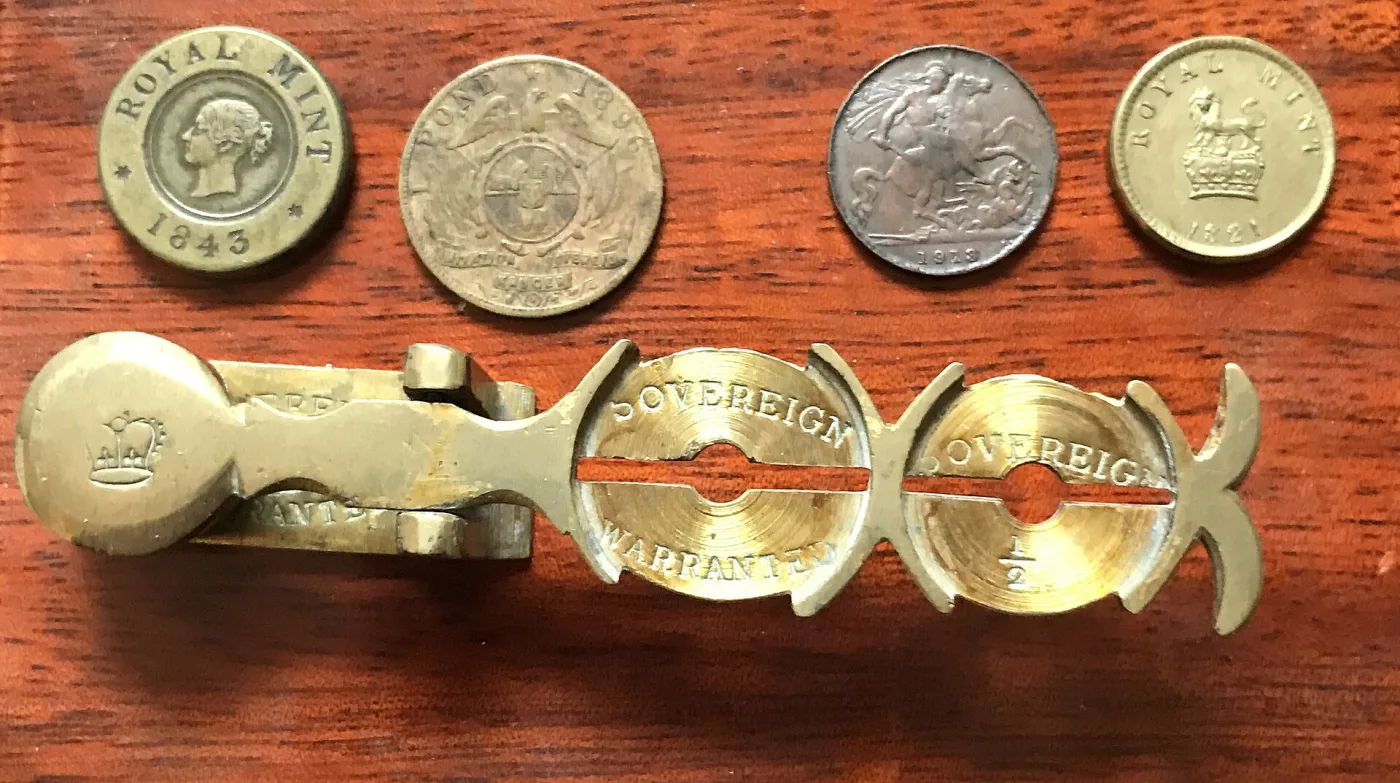
Counterfeit coins have never been more common — or more convincing. A generation ago, a fake silver dollar was usually a crude casting that any dealer could spot across a table. Today, a flood of deceptive counterfeits, most of them produced overseas and sold through online marketplaces, copies everything from common bullion to six-figure rarities, and the best of them fool experienced collectors. If you buy coins on the internet, in a flea market, or from a stranger, you will eventually be offered a fake. The only question is whether you will recognize it.
The good news is that the overwhelming majority of counterfeits fail simple, objective tests. A digital scale, a set of calipers, a strong magnet, and a trained eye will unmask nearly every fake that circulates among ordinary buyers. Precious metals have physical properties that counterfeiters struggle to reproduce cheaply, and genuine coins are struck to exacting specifications that fakes routinely miss by measurable amounts. You do not need to be a professional to protect yourself — you need to know what to measure and what to look for.
This guide explains how counterfeit coins are made, which coins are faked most often, and the practical tests — weight, dimensions, the magnet test, the ping test, edge and surface examination, and more — that separate genuine coins from fakes. It also covers deceptive counterfeit “slabs,” when to walk away from a deal, and when to send a suspect coin to a professional grading service for a final verdict.
Why Counterfeit Detection Matters
Counterfeiting is not a fringe problem in numismatics — it is a pervasive one. Industry surveys of coin dealers have found that a large share regularly encounter customers trying to sell counterfeit bullion, and among classic collectible coins the numbers are startling: in one widely cited dealer survey, Morgan silver dollars led the list of most frequently encountered counterfeits, with Trade dollars and Seated Liberty dollars close behind. Fakes of popular bullion coins like the American Silver Eagle and American Gold Eagle have become common enough that major dealers now routinely test incoming metal.
The reason is simple economics. When a coin is worth many times its face value — because of its silver or gold content, its rarity, or both — the incentive to fake it grows accordingly. A counterfeiter who can turn a few dollars of base metal into something that passes for a hundred-dollar silver dollar, or plate a tungsten core to imitate a gold coin worth thousands, has a powerful motive. Modern manufacturing, transfer dies made directly from genuine coins, and global online marketplaces have lowered the cost and raised the quality of fakes at the same time.
The Legal Dimension
There is also a legal wrinkle every buyer should understand. Under U.S. law, counterfeits of collectible coins are supposed to carry the word “COPY” incised into the piece under the Hobby Protection Act. Legitimate replicas and museum reproductions comply with this rule. Deceptive counterfeits — the ones meant to defraud — do not, which is precisely what makes them illegal to sell as genuine. A “coin” stamped COPY is a legal souvenir; the same design without that mark, sold as authentic, is a crime. Knowing this distinction helps you understand what you are looking at and why an unmarked replica is a serious problem.
Why the Basics Still Win
Despite the improving quality of fakes, the encouraging reality is that most counterfeits are caught by fundamentals. Counterfeiters cut corners to make a profit, and those shortcuts show up as wrong weight, wrong dimensions, magnetic base metal, dull sound, mushy details, and edge seams. A collector armed with a scale, calipers, and a magnet — and the patience to use them — filters out the vast majority of fakes before money ever changes hands. The tests in this guide are the same first-line checks professionals use.
The Types of Fake Coins
“Counterfeit” is an umbrella term covering several distinct kinds of deception, and knowing which one you are dealing with points you toward the right test. Broadly, fake and problem coins fall into a handful of categories.
Cast Counterfeits
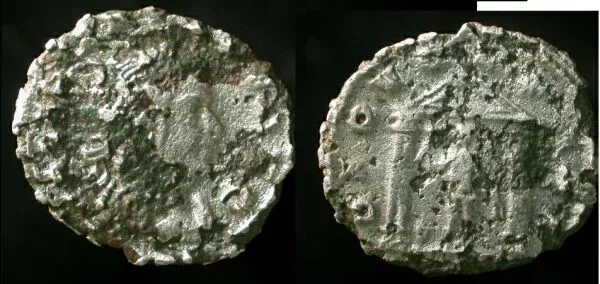
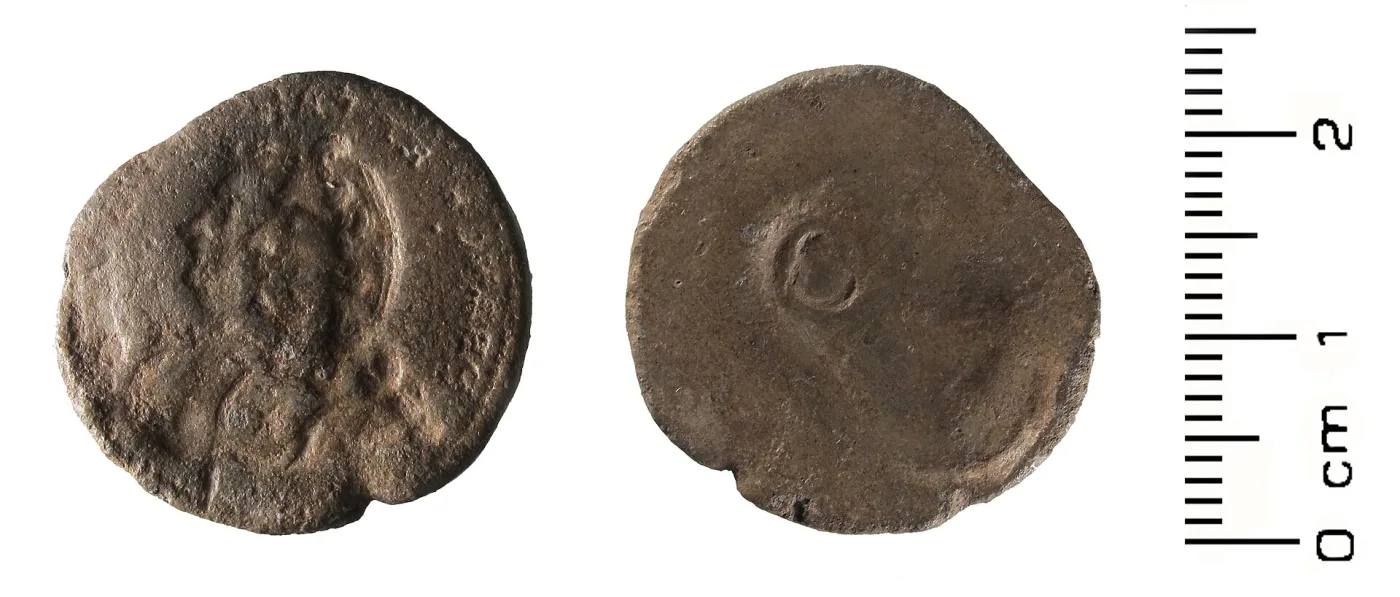
The oldest and crudest method: molten metal is poured into a mold made from a genuine coin. Cast fakes tend to be slightly undersized (metal shrinks as it cools), show a grainy or pitted surface under magnification, have soft or rounded details, and frequently display a seam around the edge where the two halves of the mold met. Tiny raised pimples or “casting bubbles” and file marks where a seam was ground away are classic giveaways. Cast counterfeits are increasingly rare for high-quality fakes but still common at the low end — and casting remains the dominant forgery method for ancient Roman coins, the Byzantine coins sold to tourists across the Mediterranean, and the cast Chinese cash coins that were themselves made in molds, which makes them uniquely easy to copy convincingly.
Die-Struck Counterfeits
The more dangerous modern method: counterfeiters create their own dies — often by transferring the design directly from a genuine coin — and strike fakes under pressure, just as a real mint does. Die-struck fakes have sharper detail than castings and no seam, so they defeat the simplest visual checks. They are usually caught instead by wrong weight or composition, by repeating microscopic flaws (a “transfer die” copies not just the design but any nick or contact mark on the host coin, so many fakes share identical tiny defects), and by subtle differences in lettering, font, and design elements that don’t match genuine dies.
Altered Coins
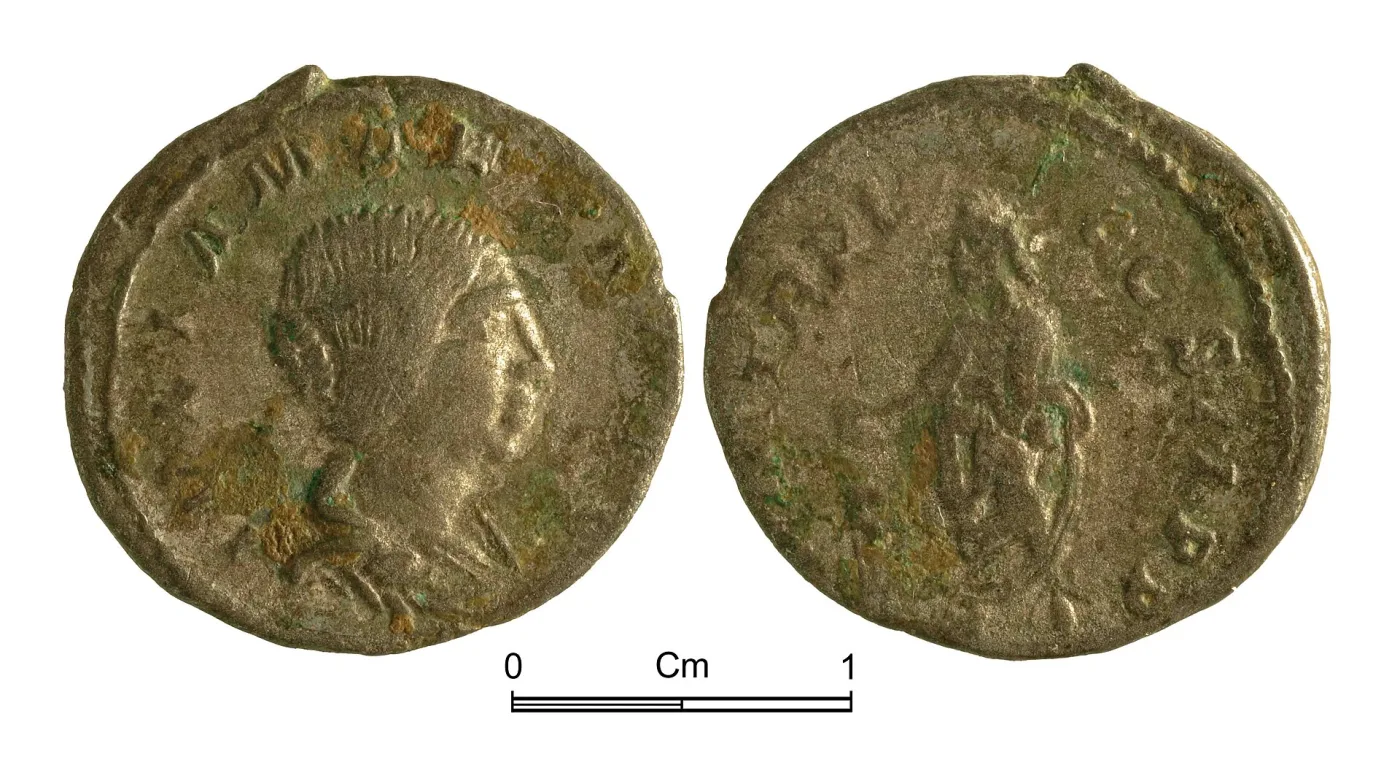
Here the metal is genuine but the coin has been tampered with to increase its value. The most common alteration is adding, removing, or changing a mint mark — turning a common date into a rare one — or re-engraving a date, for example altering a digit to create a scarce key date. Altered coins are genuine metal, so they pass weight and magnet tests; they are caught by close examination of the tooled area, tool marks, wrong mint-mark shape or position, and knowledge of which dates are worth faking.
Plated and Filled Fakes
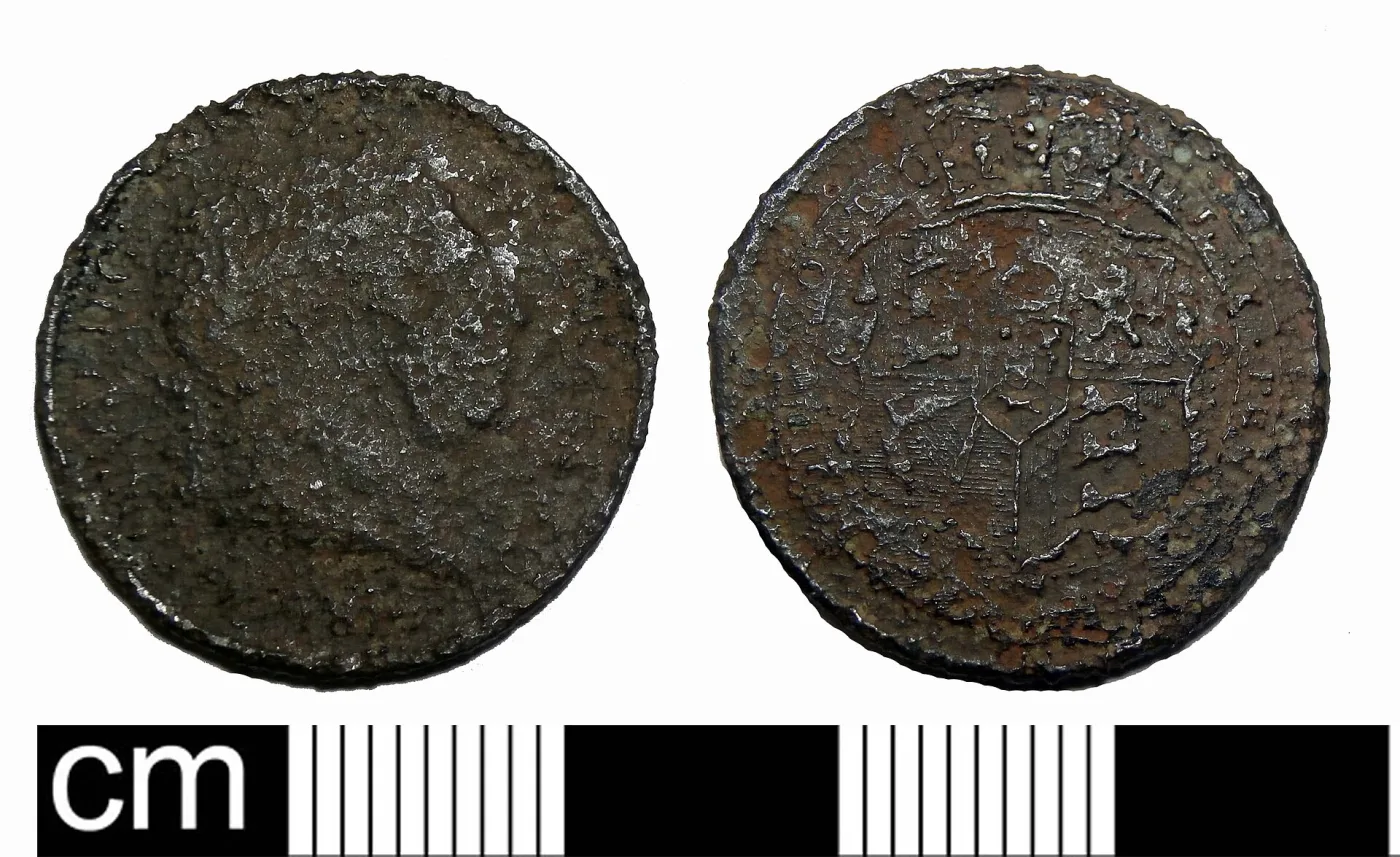
Common with bullion: a base-metal or tungsten core is plated with a thin layer of silver or gold to imitate a precious-metal coin. Because tungsten has nearly the same density as gold, a tungsten-cored gold fake can pass a simple weight-and-size check, making these among the hardest fakes to detect without specialized equipment. Plated silver fakes are easier — they usually fail on weight, magnetism, or sound because the base core betrays them.
Replicas and “COPY” Pieces
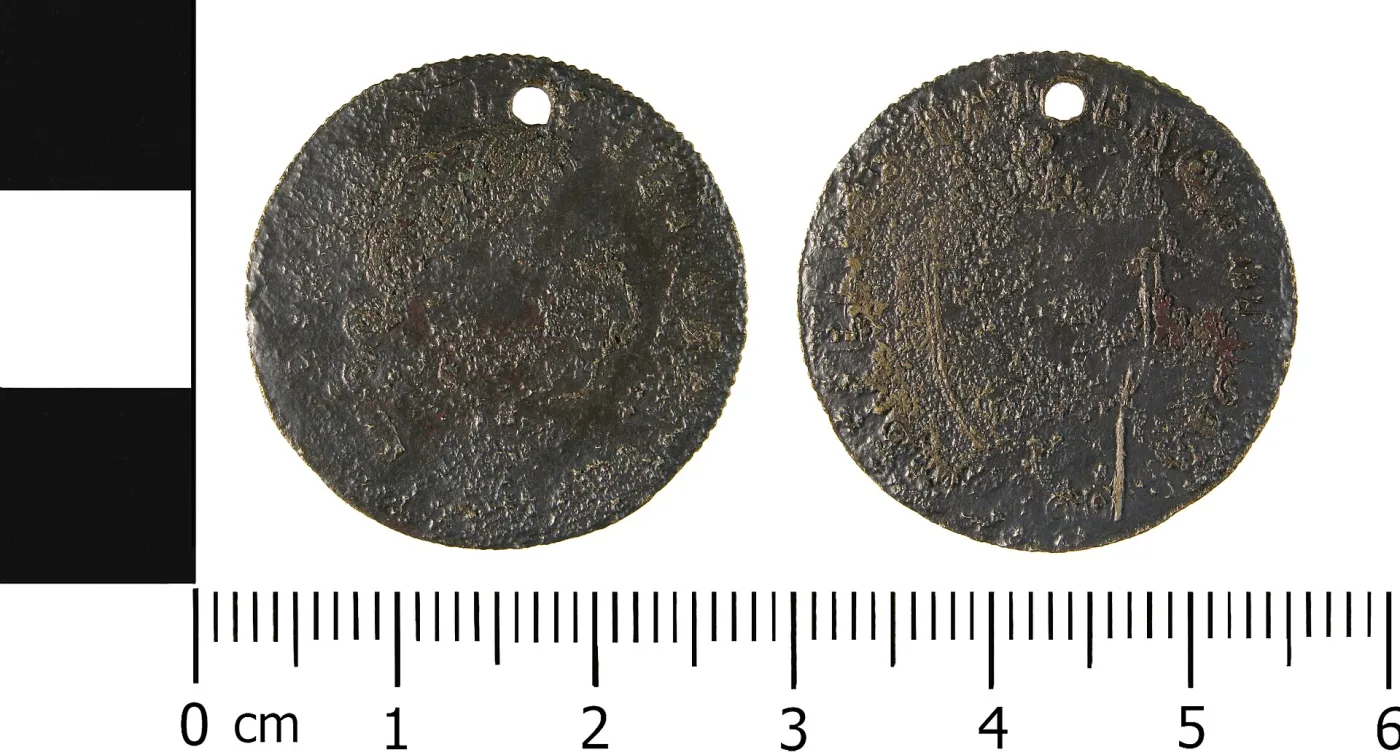
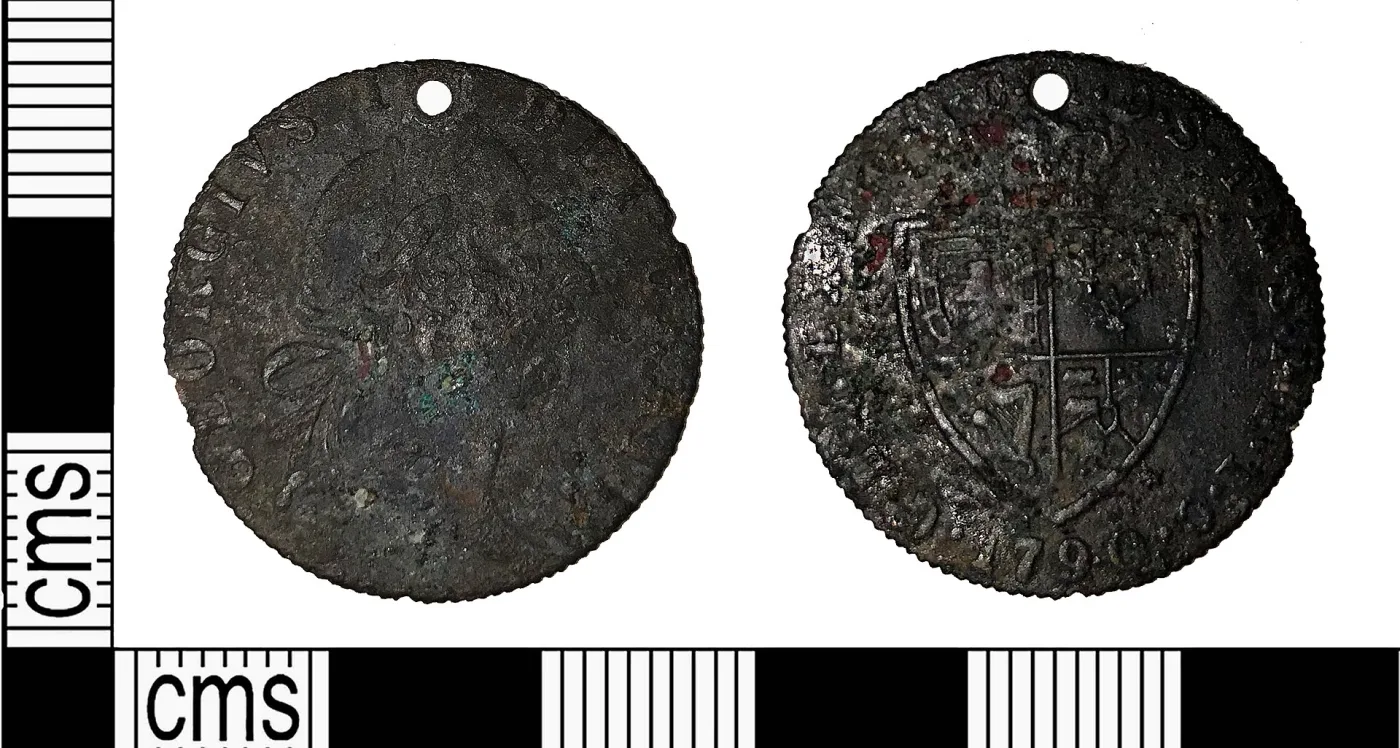
Not all reproductions are criminal. Legitimate replicas stamped COPY, sold as novelties or educational pieces, become a problem only when a later seller grinds off the COPY stamp or simply lists an unmarked replica as genuine. Many “great deals” online are replicas being passed off as real coins by sellers hoping the buyer won’t notice.
The Most Counterfeited Coins
Counterfeiters concentrate on coins that combine high value with high demand, because those are the coins that sell quickly and profitably. Knowing the usual targets tells you when to raise your guard.
Classic Silver Dollars
Silver dollars top nearly every list of counterfeited U.S. coins. The Morgan Silver Dollar is the single most frequently faked classic coin, both as common-date bullion fakes and as counterfeits of key dates like the 1893-S and 1889-CC. The Trade Dollar — designed for export to Asia and historically counterfeited for over a century — ranks second on many surveys, and the Seated Liberty Dollar is close behind. Because these coins are large and heavily collected, they are prime targets, and the added-mint-mark alteration (putting an “S” or “CC” on a common Philadelphia coin) is rampant.
Bullion Coins
Modern bullion is now among the most counterfeited category of all. The American Silver Eagle and American Gold Eagle are copied in enormous numbers, often as plated base-metal fakes shipped from overseas. Because these coins have precise, published specifications that have never changed, they are actually straightforward to test — but only if you know the numbers and bother to check them. A “1985 Silver Eagle” is an instant fake, because the series did not begin until 1986.
Key-Date and High-Value Rarities
Any coin worth four figures or more attracts counterfeiters. Classic gold — the Saint-Gaudens Double Eagle and other pre-1933 gold — is faked both as plated base metal and as die-struck counterfeits in genuine-looking gold. Popular key dates across many series (rare-date cents, scarce nickels, low-mintage issues) are targeted precisely because collectors will pay a premium and want them badly — a pattern that holds worldwide, which is why the 20,000-mintage Korean 5 yang of 1892 ranks second on NGC’s list of the most counterfeited world coins. The rule of thumb: the more a genuine example is worth, and the more people want it, the more likely a given specimen is fake.
Slabbed-Coin Frauds
A newer and especially dangerous trend is the counterfeiting of the holders themselves. Fraudsters produce fake plastic slabs bearing the logos of major grading services, complete with realistic labels and certification numbers, and place either a counterfeit coin or an over-graded genuine coin inside. Because buyers trust the holder, these fakes bypass much of a collector’s skepticism — which is exactly why you should verify the certification number online rather than trusting the plastic.
Test One: Weight and Dimensions
If you learn only one counterfeit test, make it this one. Weight and dimensions are objective, cheap to measure, and defeat a huge fraction of fakes, because counterfeiters using cheaper metals almost always miss the exact specifications of the genuine coin. Every U.S. coin has been struck to a published standard weight, diameter, and thickness, and those numbers are your baseline.
Weigh the Coin
A digital scale that reads to a hundredth of a gram (0.01 g) costs very little and is the most useful tool a collector can own. Compare the coin’s weight to the official specification. A genuine Morgan or Peace silver dollar weighs 26.73 grams. A modern American Silver Eagle weighs 31.10 grams (one troy ounce of silver). Fakes made from base metal are frequently light — often several grams under — because the substitute metals are less dense than silver or gold. Some fakes overcompensate and come out heavy. Either way, a weight that is off by more than the small legal tolerance is a red flag that ends most transactions on the spot.
Measure Diameter and Thickness
Inexpensive digital calipers let you check diameter and thickness to a tenth of a millimeter. A genuine American Silver Eagle measures 40.6 mm in diameter and 2.98 mm thick — specifications that have not changed in nearly four decades. Cast fakes tend to run slightly small; fakes struck on the wrong planchet or from imprecise dies miss the thickness. When a coin’s weight is correct but its diameter or thickness is wrong (or vice versa), you are almost certainly looking at a counterfeit trying to fake one property at the expense of another.
Why This Works So Well
The power of the weight-and-dimension test comes from physics. Silver and gold are dense, and the coin’s designers specified an exact volume of that dense metal. To match weight, diameter, and thickness all at once, a counterfeiter essentially has to use the real metal — at which point faking a bullion coin stops being profitable. This is why plated base-metal fakes almost always betray themselves on the scale: the core simply cannot weigh what real silver or gold weighs in that volume. The main exception is tungsten-cored gold fakes (tungsten matches gold’s density), which is why gold deserves the extra tests covered later.
Test Two: The Magnet Test
The magnet test is fast, free, and remarkably effective for precious-metal coins, because silver and gold are not magnetic. Neither is copper. If a coin that is supposed to be silver or gold is attracted to a magnet — or sticks to one — it is not made of that metal, full stop. Many cheap counterfeits use iron- or steel-bearing alloys precisely because they are inexpensive, and those alloys give themselves away instantly.
The Simple Attraction Test
Use a strong neodymium (rare-earth) magnet, not a weak refrigerator magnet. Bring it near the coin. A genuine silver or gold coin will show no attraction at all. A fake with a ferromagnetic core will pull toward the magnet or cling to it. This single test eliminates a large share of low-end silver and gold fakes in seconds. (Note that a handful of genuine coins are deliberately magnetic — the iron Japanese cash coins of the Edo period and some U.S. coins struck in steel, such as the 1943 steel cent — so always test against the correct expectation for that specific coin.)
The Slide Test
Silver has a subtler magnetic behavior worth knowing. Because silver is highly conductive, a strong magnet sliding down the tilted face of a genuine silver coin is slowed by eddy currents — the magnet appears to “float” or drag as it descends, rather than sliding freely. A base-metal fake shows no such braking effect (or sticks outright if it’s ferromagnetic). The slide test is not foolproof on its own, but combined with weight and the ping test it adds real confidence for silver.
Limits of the Magnet Test
Understand what the magnet test can and cannot do. A “pass” (no attraction) does not prove a coin is genuine — many non-magnetic base metals exist, and a plated fake with a copper or lead core will also pass. The magnet test is powerful for ruling out fakes with iron cores, but it must be combined with weight, dimensions, and other checks to build a real case for authenticity. Think of it as one fast filter, not a final verdict.

Test Three: The Ping (Sound) Test
Precious-metal coins ring. It is one of the oldest authentication methods known, and it still works because the acoustic properties of silver and gold differ audibly from those of the base metals used in fakes. A genuine silver coin, balanced on a fingertip and tapped, produces a long, clear, high-pitched ring that sustains for a moment. A counterfeit made of base metal typically gives a short, dull, flat “thud” or “clunk” instead.
How to Perform the Ping Test
Balance the coin on the tip of one finger, touching it at a single point so the metal can vibrate freely. Gently tap the edge with another coin (of known composition) or a small metal object. Listen to the tone. Silver rings bright and sustains; gold has a softer but still clear ring; base-metal fakes are comparatively muffled and short. With practice, the difference between a real silver dollar and a fake becomes obvious to the ear. Smartphone apps exist that analyze the ping frequency and compare it to the known signature for that coin type, turning a subjective impression into a measurement.
What Affects the Sound
Several factors influence the ping. Size and thickness matter, so always compare against the sound of a known-genuine example of the same coin, not a different denomination. Coins mounted, holed, or heavily damaged may ring falsely, and a coin held tightly (rather than balanced) will be deadened and give a false dull tone. The ping test is best used as a confirming check alongside weight and magnetism, not as a lone judge — but a silver dollar that thuds instead of rings is telling you something important.
Test Four: Visual and Strike Examination
Objective tests catch fakes made of the wrong metal; visual examination catches fakes that got the metal right but the details wrong. A 10x loupe or a low-power magnifier is essential here. Counterfeit dies, however well made, rarely reproduce every subtle characteristic of a genuine coin, and comparison against a known-authentic example (or high-resolution reference images) exposes the differences.
Sharpness and Detail
Genuine coins are struck under tremendous pressure and show crisp, fully formed detail in the design’s high points and fine elements — the strands of hair, the feathers of an eagle, the lettering. Cast fakes look soft, rounded, and slightly “melted.” Even die-struck fakes often show mushy detail in the hardest-to-reproduce areas. Examine the finest details — hair texture, feather definition, the sharpness of small letters and stars — and compare them to a genuine coin of the same type and grade.
Font and Lettering
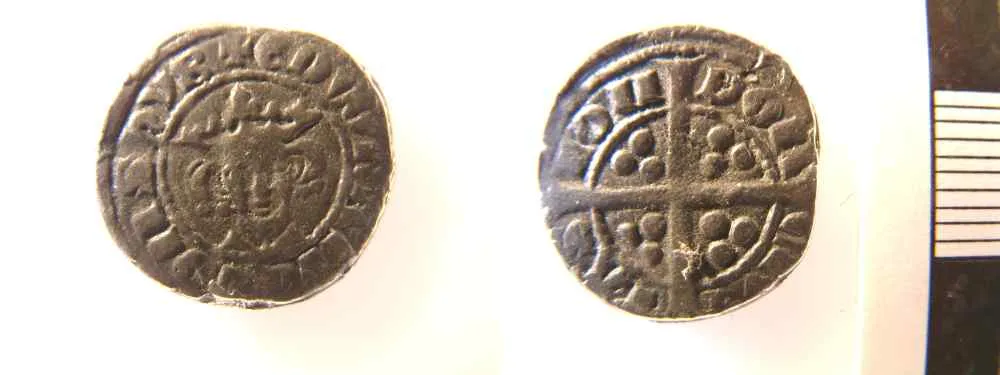
Lettering is a frequent giveaway. Government mints use specific, consistent fonts, and counterfeiters often get them subtly wrong — the wrong shape to a numeral, letters too thick or too thin, uneven spacing, or serifs that don’t match. A classic tell on some fakes is that the tops of certain numbers are rounded where the genuine mint font is squared off (or vice versa). Study the date and legends closely against a real example; wrong lettering has unmasked countless counterfeits.
Surface Texture and Luster
Genuine uncirculated coins have a characteristic mint luster — a specific way light rolls across the surface — that fakes struggle to imitate. Cast fakes may show a granular, porous, or pitted surface under magnification, sometimes with tiny raised bubbles. Reprocessed or artificially aged fakes may have an unnatural color or a “too even” toning. Any surface that looks grainy, pebbled, or oddly textured under a loupe deserves suspicion.
Repeating Flaws (Transfer Dies)
One powerful modern tell: when counterfeit dies are made by pressing a genuine coin into die material, they copy that coin’s incidental marks — a contact mark, a scratch, a spot — onto every fake struck from those dies. If you can compare several examples of a “rare” coin and find the identical tiny nick or depression in exactly the same place on each, you are looking at transfer-die counterfeits. Grading services rely heavily on these repeating “die markers” to identify fakes, and reference sites document known counterfeit markers for major coins.
Test Five: The Edge and Seam Check
The edge of a coin holds some of the most reliable authentication clues, and it is the area counterfeiters most often neglect. Always inspect the edge, not just the two faces.
Looking for a Seam
Cast counterfeits are made in two-part molds, and the line where the mold halves met leaves a seam running around the edge. Even when a counterfeiter files the seam down, the grinding leaves marks and a subtle irregularity that a loupe reveals. Run your eye (and, carefully, your fingernail) around the entire edge. A genuine struck coin has a clean, uniform edge with no seam; a ridge, line, or file marks around the perimeter is a strong sign of a cast fake.
Reeding and Edge Devices
Many coins have reeded (grooved) edges, and the count, spacing, and sharpness of the reeds are consistent on genuine coins struck in a proper collar. Counterfeits frequently have reeding that is too fine, too coarse, uneven, weak, or the wrong count. Coins with lettered or decorated edges (some modern issues and many world coins, such as the widely counterfeited gold and silver French coins or the ornamented-edge Spanish colonial pillar and portrait 8 reales) are even harder to fake correctly, so the edge lettering’s font and spacing are worth checking. On plated fakes, the edge is often where the plating is thinnest — look for base metal (a coppery or grayish tone) peeking through at the edge, a dead giveaway that the silver or gold is only skin-deep.
Edge Thickness and Uniformity
The edge should be uniform in thickness all the way around and match the specification. An edge that varies in thickness, looks rounded where it should be square, or shows an obvious parting line points to a casting or a poorly made strike. Combined with the seam check, edge inspection catches a large share of the cruder counterfeits that pass a quick glance at the faces.
Added Mint Marks and Altered Dates
Not every deceptive coin is counterfeit metal. A whole category of fraud involves genuine coins that have been physically altered to impersonate a rarer and more valuable date or mint. Because the metal is real, these pieces sail through weight, magnet, and ping tests — they must be caught by the eye.
Added and Removed Mint Marks
The classic alteration is adding a mint mark to turn a common coin into a rare one — soldering or gluing an “S” or “CC” onto a common Philadelphia issue, for example, to imitate a scarce branch-mint rarity. Less often, a mint mark is removed to create a “no-mint-mark” rarity. Examine the mint mark under magnification: an added mark may sit at the wrong angle, have the wrong shape or font, show a faint outline or solder residue around its base, or float above the field instead of being part of the strike. Learning the correct size, style, and exact position of the mint mark for a given series — the subject of our mint marks identification guide — is the best defense.
Altered Dates
Counterfeiters also re-engrave dates, changing a digit to create a key date — turning a common year into a rare one by reshaping a numeral. Signs include a digit that differs in font or thickness from its neighbors, tool marks or unnatural metal flow around the altered number, and a date that doesn’t match the design type for that year. When a coin’s date makes it a valuable rarity, scrutinize every digit; date alteration is one of the oldest tricks in the book, and it is not confined to US coinage — the 1930 Australian penny is faked chiefly by reworking a digit on a common 1933 or 1936 penny, and the 1939 British India silver rupee by reworking the last digit of a common 1938 or 1940 coin.
Distinguishing Alteration From Genuine Varieties
Be careful not to confuse deliberate fraud with legitimate mint varieties. Genuine repunched mint marks, overdates, and doubled dies are collectible mint-made varieties, not alterations — they show rounded, struck detail consistent with the minting process, whereas a fraudulent addition shows tooling, solder, or grinding. Understanding the difference is important, and our guide to error coins and mint varieties explains how genuine die varieties are made and what they look like, so you can tell an authentic rarity from a tampered fake.
Counterfeit Slabs and Fake Holders
As collectors have come to trust third-party grading, counterfeiters have responded by faking the holders. A “slab” — the sealed plastic holder used by grading services — is supposed to guarantee that the coin inside is genuine and accurately graded. Fake slabs turn that trust into a weapon.
How the Fraud Works
Counterfeiters manufacture plastic holders bearing the logos, fonts, and label designs of major grading services, then seal either a counterfeit coin or an over-graded genuine coin inside. To a buyer skimming an online listing, the coin looks professionally certified and therefore safe. Some fake slabs are crude and easy to spot; others are convincing enough to require close comparison with a genuine holder.
Verify the Certification Number
The single most important defense is also the easiest: every major grading service lets you look up a coin’s certification number on its website, and legitimate slabs show a photo of the exact coin tied to that number. Type the number from the label into the grading service’s official verification page. If the number doesn’t exist, or the images on file show a different coin, the slab is fake. This free check defeats the great majority of slab frauds in under a minute, and it should be automatic before any significant slabbed-coin purchase.
Inspect the Holder Itself
Genuine holders have consistent, high-quality manufacturing: precise fonts, sharp printing, secure sonic sealing, and often security features like holograms. Fakes may show blurry or slightly-off logos, incorrect fonts, a holder that feels flimsy or is glued rather than sonically sealed, a hologram that looks wrong, or a label with spacing and layout that don’t match authentic examples. When something about the plastic feels off, trust that instinct and verify the number before trusting the grade. Remember the collector’s adage: buy the coin, not the holder.
Testing Gold and Silver Bullion
Bullion coins deserve special attention because they are heavily counterfeited and because their value tracks precious-metal content. Fortunately, their fixed, published specifications make them very testable — if you use the right combination of checks.
Silver Bullion
For silver coins like the American Silver Eagle, the standard battery works extremely well. Confirm the weight (31.10 g for a one-ounce Eagle), the diameter (40.6 mm) and thickness (2.98 mm), non-magnetism (silver is not magnetic; try the slide test for the eddy-current drag), and a clear ring on the ping test. Check the date against the series’ start year, inspect the edge for base metal showing through plating, and compare the strike and lettering to a genuine coin. Silver’s relatively low cost means most silver fakes use cheaper, less-dense metals that fail on weight or magnetism, so plated silver fakes are among the easier counterfeits to expose.
Gold Bullion and the Tungsten Problem
Gold is trickier because of one inconvenient fact: tungsten has almost exactly the same density as gold. A base coin or bar with a tungsten core and a gold plating can pass a simultaneous weight-and-dimension check that would unmask any other fake, because it weighs what gold should weigh in that volume. For this reason, high-value gold deserves more than the basic tests. The ping test can help (tungsten and gold sound different), as can careful edge inspection for plating, but the definitive checks are specialized: ultrasonic thickness gauges, electrical-conductivity testers (like the Sigma Metalytics device used by many dealers), and X-ray fluorescence (XRF) analysis, which reads the actual elemental composition. For any substantial gold purchase, buying from a reputable dealer who performs these tests — or having the coin professionally authenticated — is the prudent path.
Buy the Seller, Not Just the Coin
With bullion, provenance is protection. The surest way to avoid sophisticated fakes is to buy from established, reputable dealers and mints with return policies and authentication guarantees, rather than from anonymous online sellers offering suspiciously cheap metal. A price well below the current spot value of the metal is not a bargain — it is a warning. Combine trustworthy sourcing with the physical tests above and your exposure to counterfeit bullion drops dramatically.
Red Flags Before You Buy
Many counterfeits are avoided not by testing a coin in hand but by recognizing warning signs in the offer itself. Train yourself to notice these red flags before money changes hands.
Price That Is Too Good
The oldest warning in collecting: if a deal seems too good to be true, it almost certainly is. A key-date rarity or a gold coin offered well below market value, a silver coin priced under melt, a “estate find” of pristine rarities at bargain prices — these are the classic setups for counterfeit and altered coins. Counterfeiters rely on a buyer’s excitement at a great deal to override caution. Genuine valuable coins rarely sell cheap, because their sellers know what they have.
Sourcing and Seller Signals
Consider where the coin is coming from. Anonymous online marketplace listings shipping directly from overseas, sellers with no track record or numismatic knowledge, “raw” (uncertified) high-value coins with no provenance, and pressure to buy quickly are all reasons for heightened caution. Reputable dealers, established auction houses, and sellers who welcome authentication are far safer. Ask questions; a legitimate seller can answer them, while a counterfeiter often cannot discuss die markers, provenance, or certification.
Common Sense With Photos and Descriptions
Study listing images closely. Blurry photos that conveniently hide detail, stock images instead of the actual coin, an unmarked “replica” or “tribute” in the fine print, and descriptions that dodge the word “genuine” are all warnings. For any significant purchase, insist on clear photos of both faces and the edge, verify certification numbers online, and when the coin’s value justifies it, make the sale contingent on professional authentication.
When to Get a Coin Certified
The physical tests in this guide will resolve the great majority of counterfeit questions on their own. But there is a point where professional authentication becomes the right move — and knowing when to escalate is part of protecting yourself.
The Value Threshold
As a general rule, when a genuine example of the coin would be worth a few hundred dollars or more, professional certification is worth the cost. The major third-party grading services authenticate as well as grade, and their experts have reference collections, die-marker databases, and equipment far beyond a home setup. For a valuable rarity, a certification service can definitively confirm authenticity, detect sophisticated die-struck fakes and expert alterations, and provide a holder that makes the coin readily resalable. Our coin grading guide explains how the grading services work, what a slab certifies, and how “details” grades flag cleaned or altered coins.
When Certification Isn’t Worth It
For common coins and low-value pieces, certification usually costs more than the coin is worth, and the home tests are entirely sufficient. A common-date silver dollar that passes weight, magnet, ping, and visual checks does not need a professional to confirm it. Reserve certification for coins whose value justifies the fee, for pieces you intend to sell where a slab adds liquidity, and for any coin where your own tests leave genuine doubt.
Build the Habit
Ultimately, counterfeit detection is a habit, not a one-time trick. Weigh and measure valuable coins as a matter of routine. Keep a magnet and a loupe with your collection. Verify certification numbers before buying slabbed coins. Learn the specifications and die markers for the coins you collect. Photograph and identify a coin before you evaluate it, so you know exactly what the genuine version should weigh, measure, and look like. Collectors who make these checks automatic are rarely fooled — and that discipline is the real protection against a market full of increasingly convincing fakes.
Frequently Asked Questions
How can I tell if a coin is real without any tools?
Even with no equipment you can do a lot. Perform the ping test by balancing the coin on a fingertip and tapping it — silver rings clearly, base-metal fakes thud. Examine the edge for a seam or file marks that indicate a casting. Look closely at the detail, lettering, and mint mark for softness or wrong fonts, and compare against a known-genuine coin or reference image. Check the date against the coin type (a Silver Eagle dated before 1986, for example, is an instant fake). That said, a cheap digital scale and a magnet will make you far more confident, so they are worth acquiring.
Does the magnet test prove a coin is real silver or gold?
No — it only rules out iron-based fakes. Silver and gold are not magnetic, so a coin that sticks to a magnet is definitely not made of those metals. But many fakes use non-magnetic base metals (copper, lead, zinc) that also pass the magnet test, so "no attraction" does not by itself prove authenticity. Always combine the magnet test with weight, dimensions, the ping test, and visual inspection to build a real case.
What is the ping test and why does it work?
The ping test judges a coin by its sound. Balanced on a fingertip and tapped, a genuine silver coin produces a long, high, clear ring, while a base-metal counterfeit gives a short, dull thud. It works because silver and gold have acoustic properties different from the cheaper metals used in fakes. Compare against a known-genuine coin of the same type, since size and thickness affect the tone, and use it alongside weight and magnet tests rather than alone.
Which coins are counterfeited the most?
Classic silver dollars top the lists — the Morgan Silver Dollar most of all, followed by Trade dollars and Seated Liberty dollars — along with popular bullion coins like the American Silver Eagle and American Gold Eagle. High-value classic gold and sought-after key dates across many series are also frequent targets. In general, the more valuable and desirable a coin is, the more likely a given specimen is fake, so those are the coins to test most carefully.
Can counterfeit coins fool professional dealers?
The best modern die-struck counterfeits can fool even experienced people on a quick look, which is exactly why dealers rely on tools — scales, calipers, magnets, conductivity testers, and reference die markers — rather than a glance. Most fakes, however, fail basic objective tests. And for high-value coins, professional grading services with reference collections and specialized equipment can authenticate pieces that would deceive an individual collector, which is why certification matters for expensive coins.
Are coins stamped "COPY" illegal?
No. Under the Hobby Protection Act, legally made replicas must carry the incised word "COPY," and such pieces are legitimate novelties or educational items. The problem arises when a seller grinds off the COPY mark, or lists an unmarked replica as a genuine coin — that is fraud. A coin marked COPY is a legal souvenir; the same design sold as authentic without that mark is a counterfeit.
How do I check if a graded (slabbed) coin is genuine?
Verify the certification number online. Every major grading service provides a lookup on its official website, and legitimate slabs are tied to images of the exact coin. Enter the number from the label; if it doesn't exist or the images show a different coin, the slab is counterfeit. Also inspect the holder for correct fonts, sharp printing, secure sealing, and any security features. Fake slabs containing fake or over-graded coins are a growing problem, so never trust the plastic without confirming the number.
Can the Coin Identifier app help me spot counterfeits?
The app helps with the essential first step: identifying exactly which coin you have, including its type, date, and mint, so you know the correct weight, diameter, thickness, and appearance the genuine version should have. Knowing the right specifications is what makes the weight, dimension, magnet, and visual tests meaningful. For confirming a specific high-value coin, you should still perform the physical tests and, when the value warrants it, submit the coin to a professional grading service for authentication — but identifying the coin correctly is where counterfeit detection begins.