Third-Party Coin Grading Guide: PCGS, NGC, ANACS & CAC, How to Submit Coins, Grading Costs, Reading a Slab, Crossovers, and When It Is Worth It
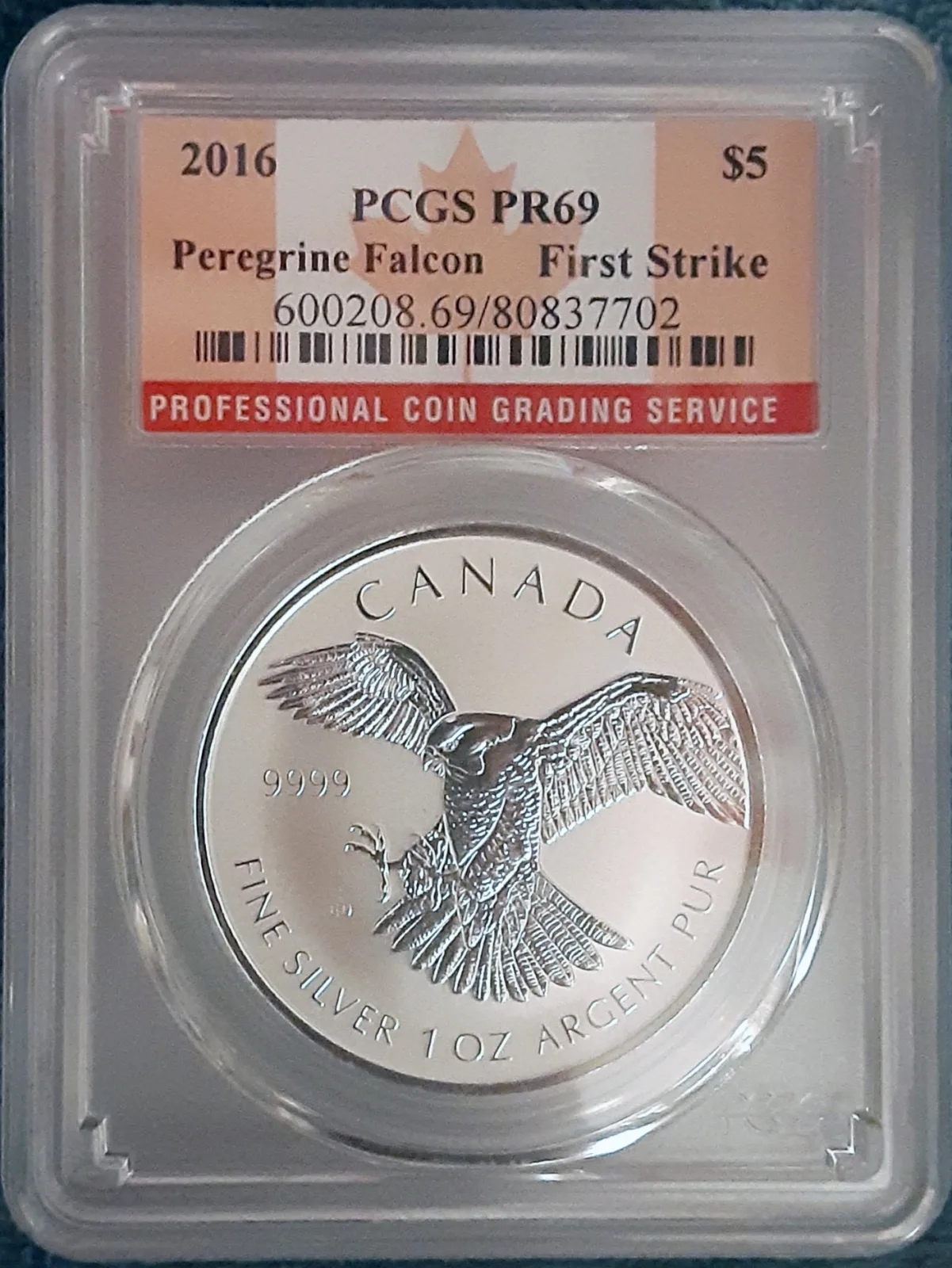
Two identical-looking coins can sell for wildly different prices, and the difference often comes down to a small plastic case. That case is a grading holder, or “slab,” and the number printed on its label is the verdict of a third-party grading service. When a coin is sent to a company like PCGS or NGC, professional graders authenticate it, assign it a grade on the 70-point scale, and seal it in a tamper-evident holder with a unique certification number. For serious buyers and sellers, that independent opinion transforms a coin from “trust me, it’s genuine and about MS-64” into a standardized, tradable asset.
This is one of the most important and most misunderstood parts of the hobby. Third-party grading protects you from counterfeits, altered dates, and cleaned surfaces; it settles disputes about grade; and it makes coins liquid, because a slabbed coin can be bought sight-unseen anywhere in the world. But grading also costs money, takes time, and is not worth doing on every coin. Send in a common, low-value piece and you can easily spend more on the grading fee than the coin is worth.
This guide explains the entire system in plain language. You’ll learn what third-party grading actually is and why it exists, how the major companies—PCGS, NGC, ANACS, and the CAC sticker (now CACG)—compare, exactly how to submit coins step by step, what it costs and how the pricing tiers work, how to read every line on a slab label, what crossovers and reholders are, how registry sets work, and the single most important question of all: when grading is worth it and when it is a waste of money.
What Third-Party Grading Is
Third-party grading is the process of sending a coin to an independent, professional company that authenticates it, assigns it a grade, and encapsulates it in a sealed holder. The word “third-party” is the key. The grader is neither the buyer nor the seller—it has no financial stake in the transaction—so its opinion carries weight that the seller’s own description never could. A dealer saying a coin is “MS-65” is making a sales pitch; a slab saying MS-65 is a documented, standing opinion that anyone can look up.
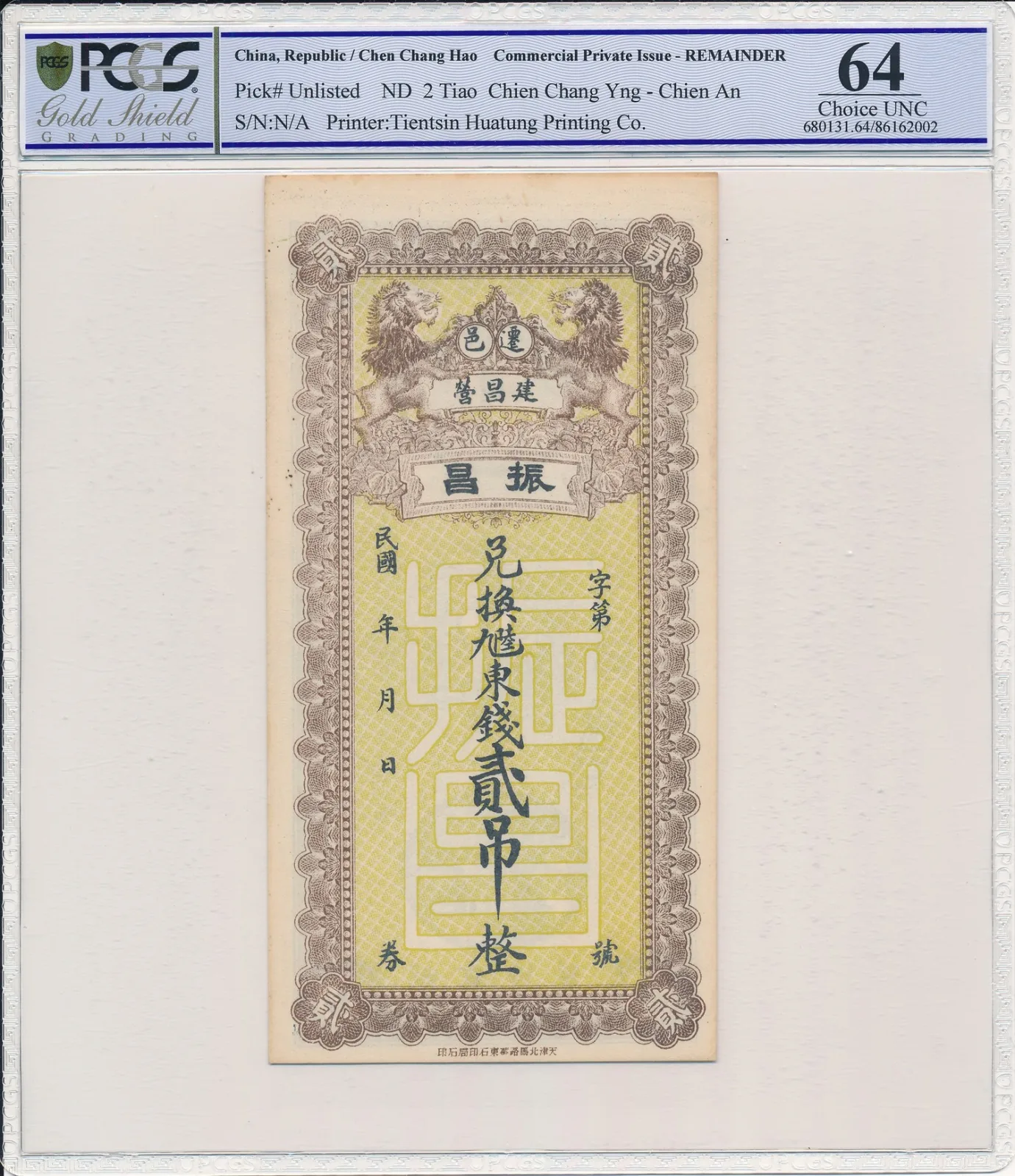
Every graded coin comes back sealed in a hard plastic holder, universally nicknamed a “slab.” The slab does several jobs at once. It displays the grade and description on an insert label, it protects the coin from handling and the environment, it is difficult to open without visible damage (tamper-evidence), and it ties the coin to a unique certification number stored in the company’s online database. Scan or type that number into the grading company’s website and you can confirm the coin matches its holder, which is a powerful defense against counterfeits and swapped coins.
Grading Versus Authentication
People often use “grading” as shorthand for the whole service, but two distinct judgments happen inside the slab. Authentication answers whether the coin is genuine—a real US Mint product of the date and mint mark shown, not a counterfeit, cast copy, or altered coin. Grading answers how well preserved it is, expressed as a number from 1 to 70. Both matter. A genuine coin that has been harshly cleaned will be authenticated but not given a numeric grade; instead it receives a “Details” designation, which we cover below.
The Scale They Use
Grading services score coins on the Sheldon 70-point scale, the same framework hobbyists use by eye. Circulated coins run from Poor-1 up through About Uncirculated-58, and uncirculated (Mint State) coins run from MS-60 to a perfect MS-70. Proof coins use an identical range labeled PR or PF. If you are not already comfortable with what those numbers mean, read our dedicated coin grading guide to the Sheldon scale first; this article assumes you know roughly what MS-65 or AU-50 implies and focuses instead on the companies, holders, and the submission process.
Why Third-Party Grading Exists
To understand why collectors pay to have a coin sealed in plastic, it helps to know the problem grading was invented to solve. Before the mid-1980s, coins were bought and sold on the seller’s word alone. Grading was subjective and self-interested: the same coin might be called “MS-65” by the person selling it and “MS-63” by the person buying it, and there was no neutral referee. Worse, “overgrading” was rampant, and telephone or mail-order buyers had no way to verify a coin sight-unseen.
The Professional Coin Grading Service (PCGS) launched in 1986 with a revolutionary idea: a panel of experts would grade a coin independently, guarantee the grade, and seal it in a standardized holder so it could trade like a commodity. The Numismatic Guaranty Corporation (now Company), NGC, followed in 1987. This created something the coin market had never had—an objective, portable, guaranteed opinion—and it changed the hobby permanently.
The Four Benefits
Third-party grading delivers four things that are hard to get any other way:
- Authentication. Professional graders see thousands of coins and know the diagnostics of genuine strikes. A slab is strong protection against counterfeits, which have grown far more sophisticated. Our counterfeit detection guide explains the red flags graders look for.
- Standardized grade. A neutral third party settles the endless buyer-versus-seller argument over condition, using consistent standards applied to millions of coins.
- Protection and preservation. The sealed holder shields the coin from fingerprints, humidity, and accidental contact that could lower its grade over time.
- Liquidity. A certified coin can be sold anywhere, sight-unseen, at auction or online, because the buyer trusts the label. Slabbed coins are the currency of the serious market.
What Grading Does Not Do
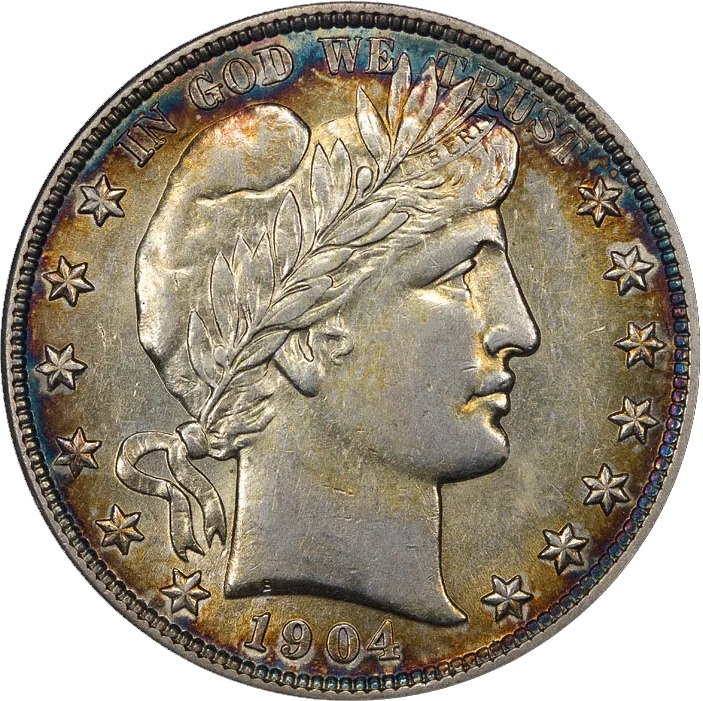
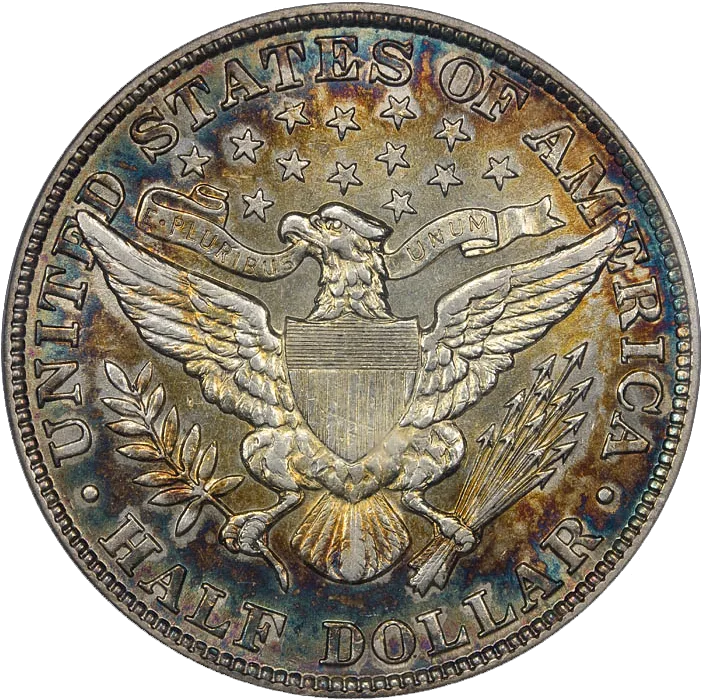
A slab is an expert opinion, not a law of physics. Grading is still a human judgment, and two services—or even the same service on two different days—can disagree by a point. A grade also does not set a price; it informs the price, which is driven by demand, eye appeal, and the market. And grading cannot make a common coin rare. Encapsulating a worn 1975 dime does not create value; it just puts a worthless coin in an expensive box.
The Big Two: PCGS vs NGC
Two companies dominate the market so completely that most collectors simply call them “the big two.” PCGS and NGC are the only services whose holders trade at full market value with no discount, and the vast majority of certified coins in existence live in one of their slabs. If you are grading US coins of real value, you will almost always choose between these two.
PCGS (Professional Coin Grading Service)
Founded in 1986 and headquartered in Newport Beach, California, PCGS is the market-share leader for classic US coins and is widely regarded as setting the standard for consistency. Its blue-and-white holders are instantly recognizable, and for many US series—especially high-value type coins and rarities—a PCGS coin often commands a small premium over the same grade in another holder. PCGS also runs the industry’s most-cited online price guide and the largest set registry.
NGC (Numismatic Guaranty Company)
Founded in 1987 and based in Sarasota, Florida, NGC is the official grading service of the American Numismatic Association and is the market leader in world coins and modern issues. NGC has graded a huge share of world and bullion coinage and is the standard choice for foreign material. Its holders and grading are fully respected, and for world coins, moderns, and many bullion issues, NGC is often the preferred or even dominant service.
Are Their Standards the Same?
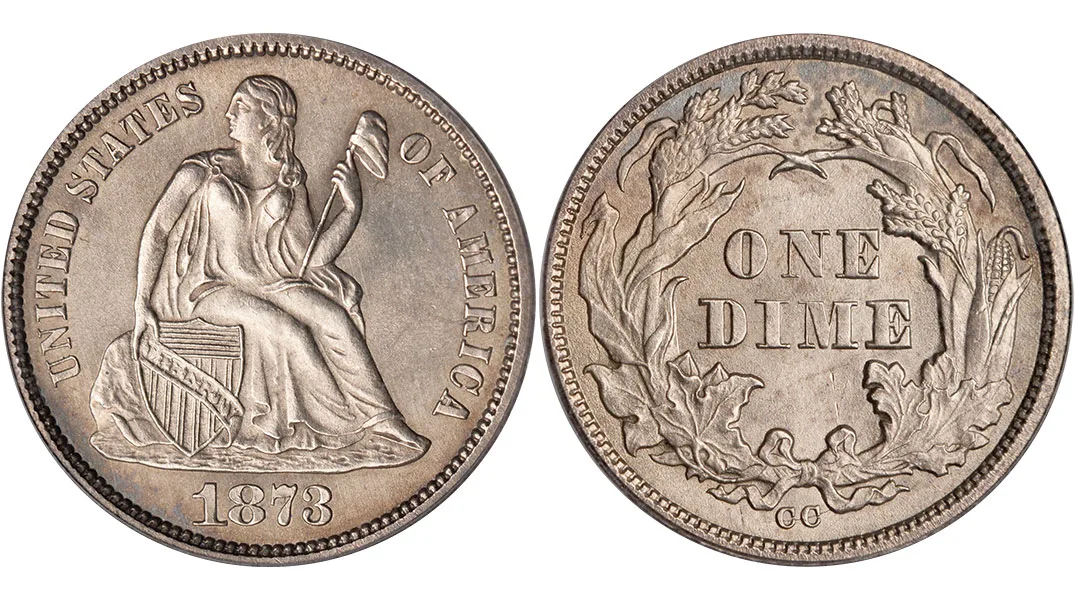
PCGS and NGC use the same 1-to-70 scale and, for the great majority of coins, grade within a point of each other. Long-running debates about which is “tougher” tend to focus on narrow categories and specific eras, and the honest answer is that both are excellent and their standards have converged over decades. For classic US rarities, market habit leans PCGS; for world and modern coins, market habit leans NGC. Both guarantee their grades and authenticity, and both maintain massive, publicly searchable certification databases.
The Practical Takeaway
For everyday collectors the choice rarely hurts you either way. Grade classic US coins—especially expensive ones you might sell at a major auction—with PCGS or NGC based on where comparable coins bring the strongest prices. Grade world coins, modern commemoratives, and bullion with NGC. When in doubt, look at how the specific coins you collect actually trade: search completed auction results and see which holder the market rewards.
ANACS, ICG, and the Rest
PCGS and NGC are not the only games in town, and the “second tier” services have legitimate uses even though their holders generally sell for somewhat less than the big two in the same grade.
ANACS
ANACS is the oldest grading service in the United States, tracing its roots to the American Numismatic Association Certification Service established in 1972 (it has since been privately owned and is no longer run by the ANA). ANACS built its reputation on authentication and is especially well regarded for attributing errors and die varieties. Many collectors send doubled dies, repunched mint marks, and other varieties to ANACS specifically because it will identify and label the variety accurately and at a reasonable price. ANACS is also popular for grading moderate-value coins where the lower fees make economic sense.
ICG
Independent Coin Graders (ICG) is another established service. Its holders are respected for authentication and are common on error coins and lower-to-moderate value material. Like ANACS, ICG generally sells at a discount to PCGS and NGC in the marketplace, so it is best used for coins where you want a genuine, encapsulated, variety-attributed holder without paying top-tier prices.
Services to Approach With Caution
Beyond the four names above—PCGS, NGC, ANACS, ICG—there is a long tail of grading companies whose holders carry little or no market respect. Some are outright “self-slabbing” operations that will encapsulate a coin at whatever grade the submitter requests, and coins in these holders are effectively “raw” (ungraded) in the eyes of the market, sometimes worse, because an inflated grade on a no-name slab is a warning sign. As a rule, if you have never heard of the grading company and cannot look the coin up in a real certification database, treat the grade on the label as meaningless.
A Simple Hierarchy
For practical purposes, think of it as a tiered market: PCGS and NGC at the top with full market acceptance; ANACS and ICG as reputable second-tier services that trade at a modest discount but excel at errors and varieties; and everything else as unrecognized, to be valued as if the coin were ungraded and judged entirely on its own merits.
CAC, the Green Sticker, and CACG
One name causes more confusion for newcomers than any other: CAC. Certified Acceptance Corporation was founded in 2007 by dealer John Albanese (a co-founder of both PCGS and NGC) to answer a subtle problem. Because grading is a range, not a knife-edge, some coins are “high end” for their grade and some are “low end.” A weak MS-65 and a gorgeous MS-65 both wear the same label, yet knowledgeable buyers will pay much more for the strong example. CAC set out to identify the coins that are solid or premium for the grade assigned.
The Green and Gold Stickers
Originally, CAC did not grade coins itself. Instead, you sent an already-slabbed PCGS or NGC coin to CAC, and its experts reviewed it. If the coin was solid-for-the-grade or better, CAC affixed a small green sticker (“green bean”) to the holder. If the coin was so nice it could reasonably grade a full point higher, CAC applied a rare gold sticker. Coins that did not meet the standard simply came back with no sticker—there is no “failing” mark. A green CAC coin typically sells for a premium over a non-CAC coin of the identical grade, because the sticker signals quality within the grade.
CACG: CAC Becomes a Grading Company
In 2023, CAC launched its own full grading service, CACG (CAC Grading), which authenticates and grades coins from scratch and seals them in CACG holders—directly competing with PCGS and NGC. Coins graded by CACG are considered “stickered” by definition. So today there are two related things under the CAC umbrella: the legacy stickering of PCGS/NGC coins, and CACG’s own slabs. Both carry strong reputations for strict, quality-focused grading, and CAC/CACG coins are prized by collectors who prioritize originality and eye appeal.
Should You Care About CAC?
For inexpensive coins, no—the sticker service costs money and adds little to a low-value piece. For higher-value classic US coins, a CAC sticker or a CACG holder can meaningfully increase both desirability and price, and some advanced collectors buy CAC coins almost exclusively. If you are collecting seriously in the classic US market, it is worth understanding CAC; if you are grading moderns, bullion, or common material, it is usually beside the point.

Choosing a Grading Service
With the players introduced, here is how to actually decide where to send a given coin. The right answer depends on what the coin is, what it is worth, and why you are grading it.
Match the Service to the Coin
- Classic US coins of significant value: PCGS or NGC. For expensive rarities you may sell at a major auction, choose the holder that comparable coins bring the most in—often PCGS for classic US, though NGC is fully competitive.
- World and foreign coins: NGC is the market leader and usually the best choice.
- Modern issues, commemoratives, and bullion: NGC and PCGS both dominate here; pick based on which the specific series trades best in.
- Errors and die varieties: ANACS (or ICG) for accurate, affordable variety attribution—though PCGS and NGC also attribute major varieties. For an example of the varieties that benefit from expert attribution, see our doubled die coins guide.
- Premium-quality classic coins: Consider CAC/CACG if you want the sticker or holder that rewards originality.
Match the Service to the Value
Economics matter as much as prestige. On a coin worth $40, paying a $30 top-tier grading fee makes no sense, and a cheaper ANACS or ICG slab—or simply leaving the coin raw—may be smarter. On a coin worth $4,000, the grading fee is trivial insurance and you should use the service that maximizes the coin’s marketability. The higher the value and the more you plan to sell into the broad market, the more the big two are worth their premium.
Match the Service to Your Goal
Ask why you are grading at all. If the goal is to sell, grade in the holder that buyers of that coin reward. If the goal is authentication—you just need to know it’s genuine—any of the four reputable services works, and the cheapest reputable option is fine. If the goal is building a competitive registry set, the registry you are competing in dictates the service, since PCGS and NGC each run their own registries and generally only recognize their own holders.
How to Read a Slab Label
The insert inside a slab packs a surprising amount of information into a few lines. Learning to read it turns a confusing sticker into a complete summary of the coin. While each company’s layout differs slightly, nearly every label contains the same core elements.
The Standard Elements
- Grading company: The logo and name (PCGS, NGC, ANACS, ICG, CACG) at the top.
- Date and mint mark: The year and mint (for example, “1881-S”). The letter after the date is the mint mark identifying which facility struck the coin.
- Denomination and type: The coin’s face value and series name, such as “$1 Morgan” or “10C Mercury.”
- Grade: The heart of the label—an adjective and number such as “MS 65,” “AU 58,” or “PR 67.” A “PL” (proof-like) or “DMPL”/“DPL” (deep mirror proof-like) suffix on a Morgan, or “FB”/“FS”/“FBL” strike designations, add value.
- Certification (cert) number: A unique serial number, often with a barcode. This is the key you type into the company’s website to verify the coin.
- Attribution / variety (when present): Notes such as a VAM number on a Morgan, an “FS” Cherrypickers number, or “DDO” for a doubled die obverse.
Strike and Surface Designations
Beyond the grade, labels may carry designations that reward exceptional strike or surface quality and can significantly increase value. Common ones include FB (Full Bands) on Mercury and Roosevelt dimes, FS (Full Steps) on Jefferson nickels, FBL (Full Bell Lines) on Franklin halves, FH (Full Head) on Standing Liberty quarters, and PL/DMPL on Morgan dollars. A coin with the right designation can be worth several times an ordinary example of the same numeric grade, so read these carefully.
Always Verify the Number
The single most useful habit when buying a slabbed coin is to look up its certification number on the grading company’s official website. Genuine slabs match a database record showing the exact coin, grade, and often a photograph. If the number returns nothing, returns a different coin, or the seller resists you checking it, walk away. Verification is free, takes seconds, and defeats most slab-related fraud.
Details Grades and “Genuine” Holders
Not every coin sent for grading comes back with a clean numeric grade. When a coin is genuine but has a problem that disqualifies it from a straight grade, the services encapsulate it with a “Details” designation (PCGS and NGC) or in a “Genuine” holder, noting the specific issue. This is one of the most important concepts for a buyer to understand, because a Details coin is worth a fraction of a straight-graded example.
Common Details Designations
- Cleaned / Harshly Cleaned: The surfaces were improperly cleaned, leaving hairlines or an unnatural look. This is by far the most common Details reason. Our guide on cleaning and preserving coins explains why cleaning destroys value and how graders detect it.
- Damage / Scratched: Rim dings, gouges, or scratches beyond normal wear.
- Environmental Damage / Corrosion: Pitting or corrosion from exposure or improper storage.
- Altered Surfaces / Tooling: Someone re-engraved or manipulated the surfaces.
- Bent, Holed, or Repaired: Physical modification, including filled holes.
- Questionable Color / Artificial Toning: Toning judged to be artificially induced rather than natural. See our coin toning guide for how natural and artificial toning differ.
Why Details Coins Still Get Slabbed
A Details grade is still valuable information. It confirms the coin is genuine—which for a rare, frequently counterfeited date is worth a great deal—and it documents exactly what is wrong so buyers know what they are getting. A genuine, problem coin in a Details holder is far more sellable than the same coin raw, because the authentication is settled. For expensive key dates, many collectors deliberately buy Details coins to own a genuine example at a lower price.
The Lesson for Submitters
Never clean a coin before submitting it. The instinct to “make it look nicer” is the single most expensive mistake in the hobby, because a coin that would have graded MS-63 can come back as “Details – Cleaned” and lose most of its value in the process. Send coins exactly as you found them and let the graders evaluate the original surfaces.
How to Submit Coins Step by Step
Submitting a coin for grading is more approachable than it looks. Here is the full process from start to finish. The exact screens vary by company, but the sequence is essentially the same everywhere.
Step 1: Decide Whether to Join or Use a Dealer
PCGS and CACG generally require a paid membership to submit directly, while NGC and ANACS allow submissions through various channels. If you do not want to join, you can submit through an authorized dealer or a submission center, which handles the paperwork and shipping for a small fee. For a first-time submitter with only a few coins, going through a dealer is often the easiest path.
Step 2: Choose the Service Level (Tier)
Every company offers tiers based on the coin’s declared value and how fast you want it back. You must pick a tier whose maximum value covers your coin—submit a $5,000 coin under a $300-maximum “economy” tier and it will be bumped to the correct (more expensive) tier or returned. Choose honestly based on the coin’s fair market value in the grade you expect.
Step 3: Fill Out the Submission Form
List each coin with its date, mint mark, denomination, and your declared value. Request any variety attribution you want noted (this sometimes costs extra). Double-check every entry, because errors can delay the order.
Step 4: Package the Coins Safely
Place each raw coin in a non-PVC flip or holder—never loose in an envelope where it can slide and get scratched. Use cardboard “2x2” holders or inert flips, then bundle securely with padding. Improper packaging that damages a coin in transit can turn a straight grade into a Details grade before the coin is ever seen.
Step 5: Insure and Ship
Ship via a trackable, insured method for the full value of the coins. Grading companies provide their mailing address and packaging guidelines; follow them exactly. Keep your tracking number and a photo record of every coin you send.
Step 6: Track, Receive, and Verify
You can follow your order’s status online through receiving, grading, and shipping. When the slabs arrive, verify each certification number on the company’s website and confirm the coin in the holder matches the label. Congratulations—your coins are now certified.
Grading Costs and Pricing Tiers
Grading is a paid service, and understanding the fee structure prevents unpleasant surprises. Costs vary by company and change over time, so always check current rates on the official website before submitting. The concepts, however, are consistent across the industry.
How Tier Pricing Works
Fees are organized into tiers keyed to the coin’s declared value and the turnaround speed. A typical structure looks like this:
- Economy / value tiers: The cheapest per-coin fee, for coins under a modest value cap (often a few hundred to a thousand dollars) with slower turnaround.
- Standard tiers: Higher value caps and moderate turnaround at a higher per-coin fee.
- Express and premium tiers: High or unlimited value caps with fast turnaround, at correspondingly higher fees.
- Bulk / modern tiers: Discounted per-coin rates for large quantities of inexpensive modern coins submitted together, often with minimum quantity requirements.
The Extra Costs to Budget For
The headline grading fee is only part of the total. Budget for:
- Membership dues, if you submit directly to a company that requires them.
- Variety attribution fees, when you want a VAM, FS, or die-variety note added.
- Shipping and insurance both ways, which for valuable coins can be significant.
- Return shipping and handling charged by the grading company.
- Special labels or designations, which occasionally carry surcharges.
Doing the Math
Before you submit, add up every cost and compare it to the value the slab will add. A useful rule of thumb: grading makes economic sense when the coin is either valuable enough that the fee is a small fraction of its worth, or when certification unlocks a meaningfully higher price than the raw coin brings. If the all-in cost approaches or exceeds the coin’s value, don’t grade it. We return to this decision in detail below.
Turnaround Times and Guarantees
Two features distinguish the reputable services from mere encapsulators: how long grading takes, and what the company stands behind.
Turnaround
Turnaround time is the span from when the company receives your coins to when they ship back. It depends entirely on the tier you paid for and the company’s current backlog, ranging from a few business days on premium express tiers to many weeks or even months on economy and bulk tiers during busy periods. If you need a coin back by a specific date—say, to sell it at an upcoming auction—pay for a faster tier and build in a safety margin. Backlogs fluctuate, so posted estimates are targets, not promises.
The Grade Guarantee
The major services back their work with a grade and authenticity guarantee. In practice this means that if a coin in their holder is later determined to be over-graded or, worse, not genuine, the company will make it right—typically by buying the coin, paying the difference in value, or otherwise compensating the owner under the terms of the guarantee. This guarantee is a core reason big-two slabs trade at full value: buyers know a real company stands behind the label. No-name “slabbing” services offer no such protection, which is precisely why their holders are worthless in the market.
Reconsideration and Appeals
If you believe a coin was under-graded, the services offer mechanisms to resubmit it for a fresh look, sometimes called regrade or reconsideration. There is no guarantee the grade will change, and it can go down as well as up, but for a coin you are convinced deserves better, a regrade is an option. We cover this alongside crossovers next.
Crossovers, Regrades, and Reholders
Once a coin is slabbed, it is not necessarily locked in that holder forever. Several services let you move or refresh a coin, and knowing the terminology helps you use them wisely.
Crossover
A crossover is a request to move a coin from one company’s holder into another’s at the same or better grade—for example, taking an NGC MS-64 and asking PCGS to “cross” it into a PCGS holder at MS-64 or higher. You submit the coin still sealed in its original slab, and the receiving company grades it through the plastic. If it meets your specified minimum, they crack it out and re-holder it; if it does not, they return it untouched in the original slab. Collectors crossover to consolidate a set into one company’s holders or to capture a market premium the other holder commands.
Regrade
A regrade is resubmitting a coin to the same company hoping for a higher number, usually by cracking it out of its current holder first (or submitting for reconsideration). Because grading has a small range of subjectivity, a coin that is high-end for its grade sometimes earns a bump on a second look. The risk is real: it can come back the same or lower, and you have paid another fee. Regrading is a gamble that makes sense mainly on coins sitting right at the boundary of a much more valuable grade.
Reholder
A reholder puts the same coin at the same grade into a fresh holder. You do this when a slab is scratched, cracked, or an older-generation holder that you want updated to the current design. The grade does not change; only the plastic does. Reholdering is cheaper than full grading and is purely cosmetic maintenance for the holder.
The Risk of Cracking Out
Any time you crack a coin out of its holder, you lose the certification and expose the coin to handling risk. A coin that fails to regrade higher—or gets damaged during removal—can end up worth less than when it was safely slabbed. Only crack out a coin when you have a clear, worthwhile reason and you are confident in the outcome.
Registry Sets and Population Reports
Two features built on top of grading databases have become central to modern collecting: the set registry and the population report. Both are free tools that add a competitive and analytical dimension to the hobby.
Set Registries
PCGS and NGC each run an online set registry where collectors assemble virtual sets of their certified coins and compete for the highest-quality complete set in a given category. Each coin contributes points based on its grade, and the registry ranks members’ sets against one another. Registries have transformed collecting for many people, turning the pursuit of a complete high-grade set of, say, Morgan silver dollars into a friendly competition with recognition and awards. Because each registry generally only accepts its own company’s holders, registry participation can dictate which service you use.
Population Reports
A population report (or “census” at NGC) is a running tally of how many coins the company has graded of each date, mint mark, and grade. These reports are invaluable for gauging rarity in high grade: a coin might be common in circulated grades but genuinely scarce in MS-66, and the population report reveals exactly how few exist at that level. Serious buyers consult population data before paying up for a top-grade coin, and a low “pop” number can dramatically increase a coin’s price. Understanding which dates are tough helps you focus your grading dollars—our guide to key date coins explains what makes certain dates worth chasing in the first place.
Using the Data Wisely
Population reports have limits. Numbers are inflated by resubmissions (the same coin cracked and regraded counts more than once) and can be skewed by coins that exist but were never submitted. Treat pop reports as strong evidence of relative rarity, not an exact census, and combine them with auction records to understand true scarcity and price.
When Grading Is Worth It
This is the question that matters most, and the one beginners most often get wrong. Grading is a tool, not a default. Sending the right coins is smart; sending the wrong ones burns money. Here is a clear framework.
Grade a Coin When…
- It is valuable. The higher the value, the more certification adds and the smaller the fee looks by comparison. Expensive coins should almost always be graded before sale.
- It is a frequently counterfeited date or type. Authentication alone justifies grading key dates and high-value rarities where fakes are common.
- Certification unlocks a higher price. If slabbed examples consistently sell for meaningfully more than raw ones, grading pays for itself.
- It is genuinely high grade. A common date in an exceptional Mint State grade can be worth grading when the top-grade premium is large, even if the coin is ordinary in average condition.
- You are selling into the broad market. Auctions and online buyers pay more, and bid more confidently, on certified coins.
- You need to settle authenticity. When you simply must know a coin is real, grading is the definitive answer.
Do Not Grade a Coin When…
- It is common and low value. If the coin is worth $20, do not spend $30 to slab it. Most circulated common-date coins should stay raw.
- The grading cost approaches the coin’s value. When fees, shipping, and insurance rival what the coin is worth, grading destroys value rather than adding it.
- It has an obvious problem. A cleaned or damaged common coin will come back “Details” and gain nothing.
- You are keeping it forever and don’t need authentication. If a coin will never be sold and you have no doubt it’s genuine, the slab is optional.
The Bottom-Line Test
Before every submission, ask one question: will the certified coin be worth more than the raw coin by more than the total cost of grading? If yes, grade it. If no, keep it raw. This single test, applied honestly, will save you far more money over a collecting lifetime than any grading premium you might chase. When you are unsure of a coin’s raw value, identify and price it first—only then can you judge whether grading pencils out.
Spotting Fake Slabs
As grading raised the value of coins, counterfeiters responded by faking the holders themselves. Counterfeit slabs—often housing counterfeit coins—copy the look of PCGS and NGC holders and are a real danger, especially on online marketplaces. Fortunately, they are defeatable with a few habits.
How to Protect Yourself
- Verify the cert number online, every time. Type or scan the certification number into the grading company’s official site. Real slabs match a database record—often with the coin’s photo. A number that returns nothing, or a different coin, is a red flag. This one step defeats the majority of fakes.
- Use the company’s photo match. PCGS and NGC show images for many certified coins. Compare the coin in hand to the database photo; a mismatch means the coin was swapped or the slab is fake.
- Know the holder’s security features. Genuine holders use specific hologram and label features and consistent build quality. Blurry logos, off holograms, crooked or low-resolution labels, and sloppy sonic seals are warning signs.
- Buy from reputable sellers. Established dealers and major auction houses stake their reputation on authenticity. Deep discounts from unknown sellers on “rare” slabbed coins are a classic trap.
- Trust your instincts on price. If a slabbed rarity is priced far below market, assume the slab, the coin, or both are fake until proven otherwise.
When in Doubt
If you cannot verify a slab, treat it as if the coin were raw and evaluate the coin entirely on its own merits, applying the same counterfeit-detection diligence you would to any ungraded piece. A holder you cannot authenticate adds nothing and may be hiding something.
Common Mistakes to Avoid
A handful of errors account for most of the money collectors lose around grading. Avoid these and you will already be ahead of most submitters.
- Cleaning a coin before submitting. The costliest mistake of all. Cleaning turns a straight grade into a “Details” grade and can erase most of a coin’s value. Never clean; submit coins exactly as found.
- Grading common, low-value coins. Spending $30 to certify a $15 coin is a guaranteed loss. Reserve grading for coins where it adds more than it costs.
- Trusting no-name slabs. A grade on an unrecognized holder means nothing. Value the coin as raw and beware inflated grades on obscure slabs.
- Skipping cert verification. Never buy a slabbed coin without checking its certification number online. It is free and defeats most slab fraud.
- Under-declaring value to save on fees. Declaring a low value to pay a cheaper tier backfires when the coin is bumped to the correct tier, and it can void insurance coverage if the coin is lost.
- Packaging coins carelessly. A coin that gets scratched in shipping can lose its straight grade before it is ever seen. Use inert holders and proper padding.
- Chasing regrades on the wrong coins. Cracking out and resubmitting a coin that is not right at a grade boundary usually just costs another fee and risks damage.
- Ignoring the coin, obsessing over the label. A slab describes a coin; it does not replace judgment. Learn to evaluate coins yourself so the label confirms what you already see.
Frequently Asked Questions
Is PCGS or NGC better?
Both are excellent and use the same 1-to-70 scale, grading within a point of each other for most coins. PCGS is the market habit for classic US coins and rarities; NGC leads in world coins, moderns, and bullion. For everyday collecting the choice rarely hurts you—pick the holder the specific coins you collect trade best in.
How much does it cost to grade a coin?
It varies by company, tier, and the coin's declared value, and rates change over time, so check the official site for current pricing. Beyond the per-coin grading fee, budget for membership dues (if required), variety-attribution fees, and shipping and insurance both ways. The all-in cost is what you compare against the value grading adds.
What does a "Details" grade mean?
It means the coin is genuine but has a problem—most often cleaning, damage, corrosion, or altered surfaces—that disqualifies it from a straight numeric grade. Details coins are worth a fraction of a straight-graded example but far more than the same coin raw, because authentication is settled.
What is a CAC sticker?
A green CAC sticker on a PCGS or NGC slab means CAC's experts judged the coin solid-for-the-grade or better; a rare gold sticker means it could grade a point higher. CAC also now grades coins itself under the CACG brand. CAC coins typically sell at a premium and are prized for originality, mainly in the higher-value classic US market.
Should I clean my coin before grading it?
No—never. Cleaning is the single most damaging thing you can do before submission. A coin that would have earned a clean grade can come back as "Details – Cleaned" and lose most of its value. Submit coins exactly as you found them.
Can I trust any grading company?
No. Only PCGS, NGC, ANACS, ICG, and CAC/CACG carry real market respect, with PCGS and NGC at the top. Grades on unrecognized "self-slabbing" holders mean nothing; value those coins as if they were raw and be suspicious of inflated grades.
How do I verify a slab is real?
Type or scan the certification number into the grading company's official website. A genuine slab matches a database record, often with the coin's photograph. If the number returns nothing or a different coin, or the seller resists you checking, do not buy.
Is grading worth it for my coins?
Only if the certified coin will be worth more than the raw coin by more than the total cost of grading. Grade valuable, frequently counterfeited, or genuinely high-grade coins you plan to sell; keep common, low-value, or problem coins raw. When unsure, identify and price the coin first, then decide.