Key Date Coins Identification Guide: Mintage, Survival Rates, Semi-Keys, Condition Rarity, Set Building, and How to Find the Valuable Dates in Any Series
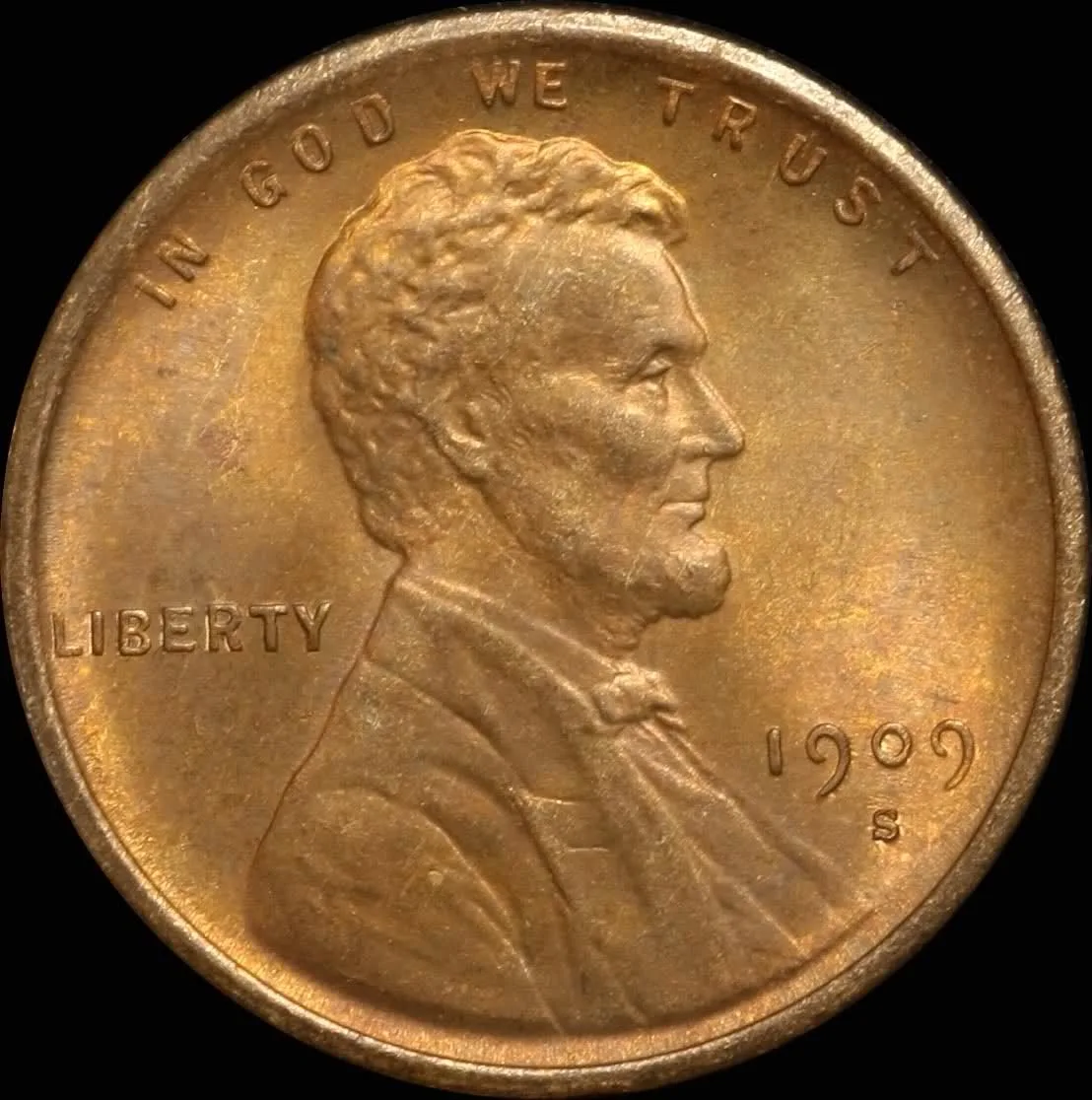
Two Lincoln cents can look almost identical — same portrait, same wheat ears, same reddish-brown copper — and yet one is worth a single cent and the other is worth a thousand dollars. The only difference is the date and the tiny mint mark below it. That difference is the whole idea behind a key date: within a coin series that ran for decades, a handful of specific year-and-mint combinations are dramatically scarcer than the rest, and those few dates carry nearly all of the series’ value. Learn to recognize them and an ordinary jar of old change becomes a treasure hunt; ignore them and you can spend a valuable coin at face value without ever knowing what you had.
Key dates are the beating heart of traditional coin collecting. The old blue Whitman folders — the ones with a labeled hole for every date and mint of a series — were designed around exactly this concept. Filling the common holes is easy and cheap; it is the two or three stubborn key-date holes that stay empty for years and cost more than all the other coins combined. Those “stoppers” are what give a completed set its meaning and its worth. Understanding why certain dates are keys, how to identify them, and how to tell a genuine key date from a common coin or an altered fake is the single most valuable skill a collector can develop.
This guide is the complete 2026 reference to key date coins. It explains what actually makes a date rare — the interplay of original mintage, survival rate, meltings, and collector demand — and why low mintage alone does not tell the whole story. It walks through the difference between key dates, semi-keys, and common dates; introduces the crucial idea of condition rarity; catalogs the famous keys every collector should know across the major U.S. series; and lays out exactly how to find, verify, and buy key dates without getting burned. Whether you are searching pocket change, inheriting a collection, or building a set on purpose, this is how you find the dates that matter.
What Is a Key Date?
A key date is the scarcest and most valuable issue (or one of the few scarcest issues) within a given coin series — the specific combination of year and mint mark that collectors need to complete a set and that commands a large premium over the common dates of the same design. When collectors say a coin is “the key to the series,” they mean it is the hardest date to obtain and usually the most expensive.
The critical thing to understand is that a key date is defined relative to its own series. A coin is not a key because it is old, made of silver, or beautiful. It is a key because, compared to the other dates struck with the same design, far fewer of it survive in collectible condition. A 1916-D Mercury dime is a key not because Mercury dimes are rare in general — most are common — but because that one date and mint, out of the whole 1916–1945 run, was struck in tiny numbers and is genuinely scarce. The 1917 Philadelphia dime sitting right next to it in the album might be worth a few dollars while the 1916-D is worth hundreds.
Why the Date and Mint Mark Are Everything
Because keys are date-and-mint specific, the two most important features on any collectible coin are the date and the mint mark — the small letter (D for Denver, S for San Francisco, O for New Orleans, CC for Carson City, and no letter historically for Philadelphia) that tells you which facility struck the coin. The same year can be common from one mint and a rare key from another: the 1932 Washington quarter is common from Philadelphia but a valuable key from both Denver (1932-D) and San Francisco (1932-S). If you learn nothing else about coin values, learn to always check the date and the mint mark together. Our mint marks identification guide explains where to find the mint mark on every U.S. series and why it moves value so dramatically.
The Whitman Folder Test
The simplest intuition for a key date comes from the classic coin folder. A folder has one labeled slot for every date and mint in a series. Most slots fill up quickly from pocket change and cheap dealer bins. But a few slots — the keys — stay empty because those coins almost never turn up and cost real money when they do. The dates that keep your folder from being complete are, by definition, the key dates. This is why keys are sometimes called “stoppers”: they stop you from finishing the set.
Key Dates, Semi-Keys, and Common Dates
Within any series, collectors sort the dates into a rough hierarchy of scarcity. Understanding these three tiers helps you set expectations for both availability and price.
Key Dates
The key dates are the scarcest, most expensive issues that anchor the series — typically just one to three dates. They are the coins that define the difficulty and cost of completing the set, and they hold their value best over time because demand for them never disappears. Examples: the 1909-S VDB Lincoln cent, the 1916-D Mercury dime, the 1893-S Morgan dollar, the 1877 Indian Head cent.
Semi-Key Dates
The semi-keys are the next tier down — noticeably scarcer and pricier than the common dates, but far more available and affordable than the true keys. A series might have several semi-keys. They are important because, added together, the semi-keys often represent a large share of a set’s total cost, and they are the dates most likely to be quietly undervalued or overlooked in a group of coins. Examples: the 1914-D and 1931-S Lincoln cents, the 1921 and 1921-D Mercury dimes, the 1921-S Morgan dollar.
Common Dates
The common dates make up the bulk of most series — the dates struck in large numbers and available cheaply in circulated grades. In many 20th-century series, common dates in worn condition are worth little more than their metal value or a small numismatic premium. They are the easy holes to fill. Crucially, though, even a common date can become valuable in an exceptionally high grade — which brings us to the concept of condition rarity later in this guide.
The boundaries between these tiers are not rigid, and different collectors and price guides draw the lines slightly differently. But the mental model is essential: when you look at any group of coins, you are really asking of each one, “Is this a key, a semi-key, or a common date?” — because that single question determines whether you are holding pocket change or a small fortune.
What Actually Makes a Date Rare
A coin’s scarcity is not decided by any single factor but by a chain of events stretching from the day it was struck to the present. Four forces combine to determine how many examples of a given date survive for collectors today.
1. Original Mintage
The starting point is how many coins the Mint struck that year at that facility — the mintage. A low mintage means fewer coins existed to begin with, which is often (but not always) the root of a key date. Mintages are published for nearly every U.S. coin, and a strikingly low number is the first clue that a date might be a key. The 1909-S VDB cent had a mintage of just 484,000 — minuscule next to the tens of millions struck of common Lincoln cents — and that scarcity is the direct cause of its key-date status.
2. Survival Rate
Mintage tells you how many were made, but survival rate tells you how many still exist — and the two can differ enormously. Coins are lost, damaged beyond collectibility, buried, corroded, spent into oblivion, and above all melted. A date with a modest mintage can be scarcer than a date with a lower mintage if far fewer of the first date survived. This is why experienced collectors talk about survival rates and “condition census” data, not just mintage figures.
3. Meltings and Hoards
Two dramatic forces reshape survival: mass meltings and hoards. When silver and gold prices spike, or when governments recall coinage, staggering quantities of coins are melted for their metal — this is why so many otherwise high-mintage 19th-century silver and gold coins are scarce today. The 1918 Pittman Act alone authorized the melting of roughly 270 million silver dollars, wiping out the survival of many Morgan dollar dates and turning some into rarities. Conversely, a hoard — a large quantity of one date saved intact — can make a low-mintage coin surprisingly available. The government’s release of long-stored silver dollars from the Treasury vaults in the 1960s flooded the market with certain previously scarce Morgan dates, permanently changing their rarity.
4. Collector Demand
Finally, rarity means nothing to price without demand. A coin is only “worth” a premium if collectors want it. Popular, widely collected series (Lincoln cents, Morgan dollars, Mercury dimes) have deep demand, so their keys command strong prices. An equally scarce date in an obscure, thinly collected series may be worth far less simply because fewer people are trying to complete that set. Key-date value is always the product of scarcity and desire — never scarcity alone.

Mintage vs. Survival: Why Low Mintage Isn’t Everything
One of the most common beginner mistakes is assuming that the lowest-mintage date in a series is automatically the most valuable, and that a high-mintage date can never be worth much. Both assumptions are frequently wrong, and understanding why separates casual collectors from knowledgeable ones.
When Low Mintage Doesn’t Mean Rare
Some low-mintage coins are common today because they were saved. The 1950-D Jefferson nickel had the lowest mintage of its series (about 2.6 million), and when word got out, speculators hoarded entire rolls and bags of them. So many were set aside in Mint State that today the 1950-D is easy to find in high grade and only modestly priced — a classic case of a “key by mintage” that demand and hoarding turned into a semi-key at best. Low mintage created the reputation; mass saving undercut the scarcity. The lesson: a saved low-mintage coin is not truly rare.
When High Mintage Still Means Rare
Conversely, a coin with a high mintage can be a genuine rarity if almost none survived, especially in high grade. Millions of early silver and gold coins were struck and later melted, spent, or worn to slicks, leaving very few collectible survivors despite large original mintages. Many common-looking 19th-century types are common in low grade but genuinely rare — and expensive — in Mint State because circulation and melting destroyed the high-grade population. The survivors, not the mintage, set the price.
The Takeaway
Always weigh mintage against survival. Ask not only “How many were struck?” but “How many are left, and in what condition?” Modern price guides and the population reports published by grading services (which count how many examples of each date and grade they have certified) are the best window into true survival and scarcity. A low mintage is a clue worth investigating, never a conclusion on its own.
Condition Rarity: Rare in High Grade
Some of the most valuable coins in modern collecting are not rare by date at all — they are rare by condition. A “condition rarity” is a date that is common in worn grades but exceedingly scarce in top uncirculated condition, so that the highest-grade examples command enormous premiums even though the date itself is abundant.
How Condition Rarity Works
Consider a common date that millions of people spent as pocket change for decades. Worn examples are everywhere and worth little. But how many were plucked from the mint bag on day one and preserved in flawless, fully struck, blazing-luster condition? Perhaps only a handful. Those few survivors in the very top grades can be worth hundreds of times more than the same date in average condition. The date is common; the grade is rare. This is why understanding grading is inseparable from understanding value — see our full coin grading guide for how the Sheldon 1–70 scale and Mint State grades work.
Full Details and Strike Designations
Condition rarity often turns on tiny strike details. A Mercury dime with “Full Bands” (fully separated horizontal bands on the fasces), a Jefferson nickel with “Full Steps” (complete steps on Monticello), or a Standing Liberty quarter with “Full Head” detail can be worth multiples of the same coin without that designation. A specific date might be readily available in ordinary Mint State but a condition rarity when it must also show full strike detail — the combination of high grade and full strike is what becomes scarce.
The Registry Set Effect
Modern “registry set” competitions, where collectors assemble the highest-graded set of a series and compete for ranking, have poured demand into top-population coins and amplified condition-rarity premiums. When only one or two examples exist at the very top grade, registry competitors will pay extraordinary sums to own them. This has made condition rarity one of the defining value drivers of 21st-century numismatics — and a reason two coins of the same date and “uncirculated” description can differ in price by a factor of a hundred.
Famous Key Dates Every Collector Should Know
Certain key dates are so famous that they are cornerstones of the entire hobby. Knowing them by heart lets you spot a life-changing find and understand the value structure of the most popular series. Here are the keys every collector should recognize on sight.
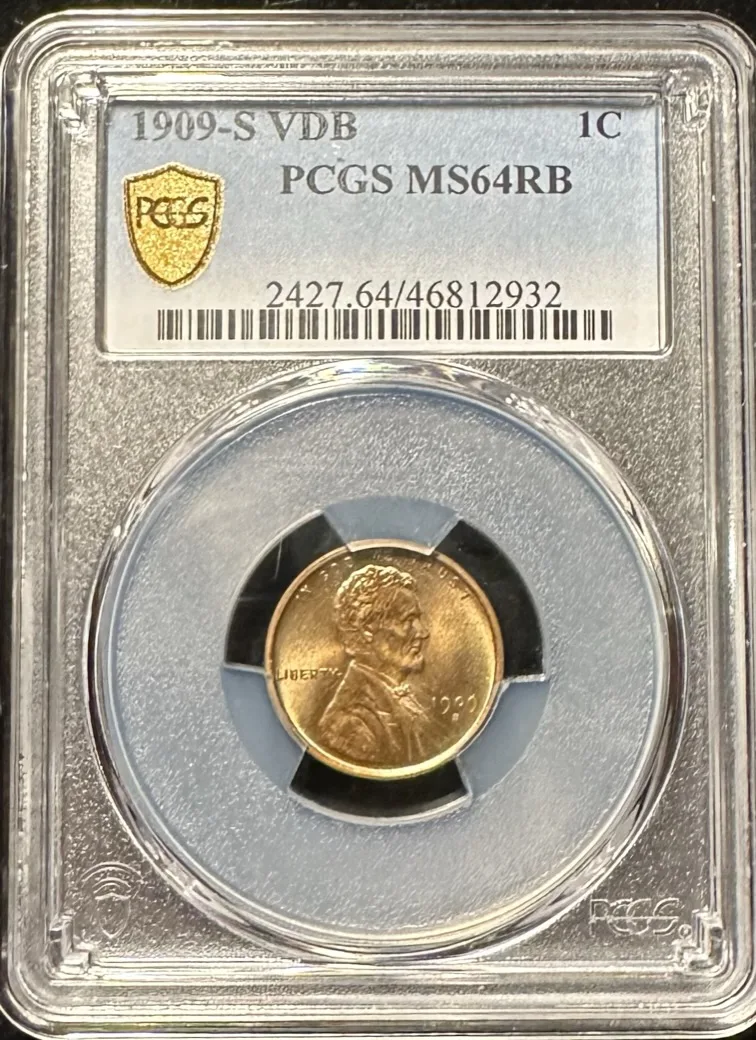
1909-S VDB Lincoln Cent
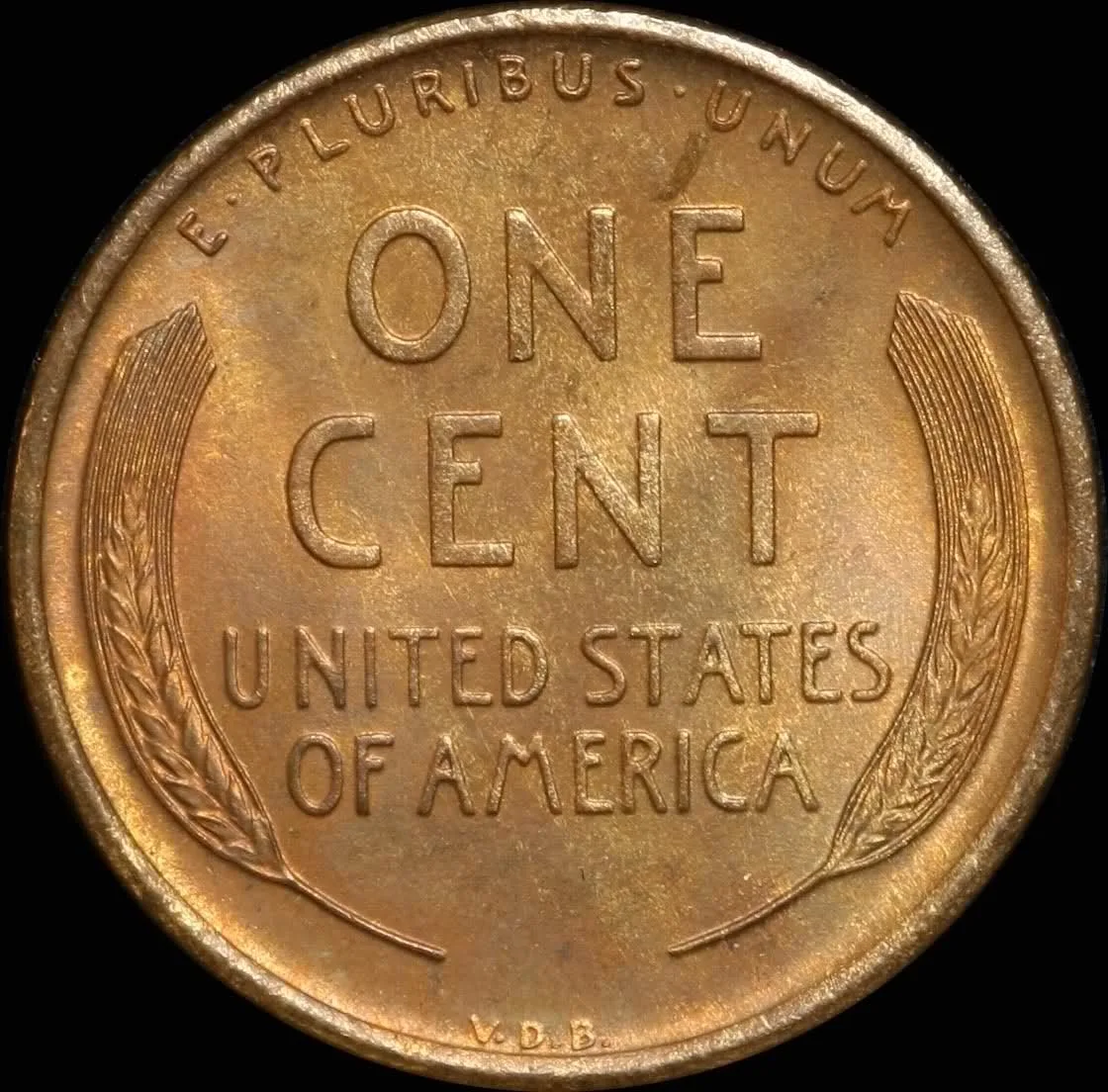
The most famous key date in American coin collecting. When the Lincoln cent debuted in 1909, designer Victor David Brenner’s initials “VDB” on the reverse caused a public uproar and were quickly removed. The San Francisco Mint struck only 484,000 cents with the VDB initials before the change, creating the legendary 1909-S VDB — the key to the entire Lincoln Wheat cent series. Genuine examples run from several hundred dollars in low grade to many thousands in Mint State, and it is among the most counterfeited and altered coins in the hobby, so authentication is essential.
1914-D and 1931-S Lincoln Cents
Beyond the 1909-S VDB, the Wheat cent series has two other major keys: the 1914-D (a genuinely scarce Denver issue, frequently faked by altering a 1944-D) and the low-mintage 1931-S. Together with the 1909-S VDB, these three dates are what make a complete Wheat cent set a real achievement rather than a weekend project.
1916-D Mercury Dime
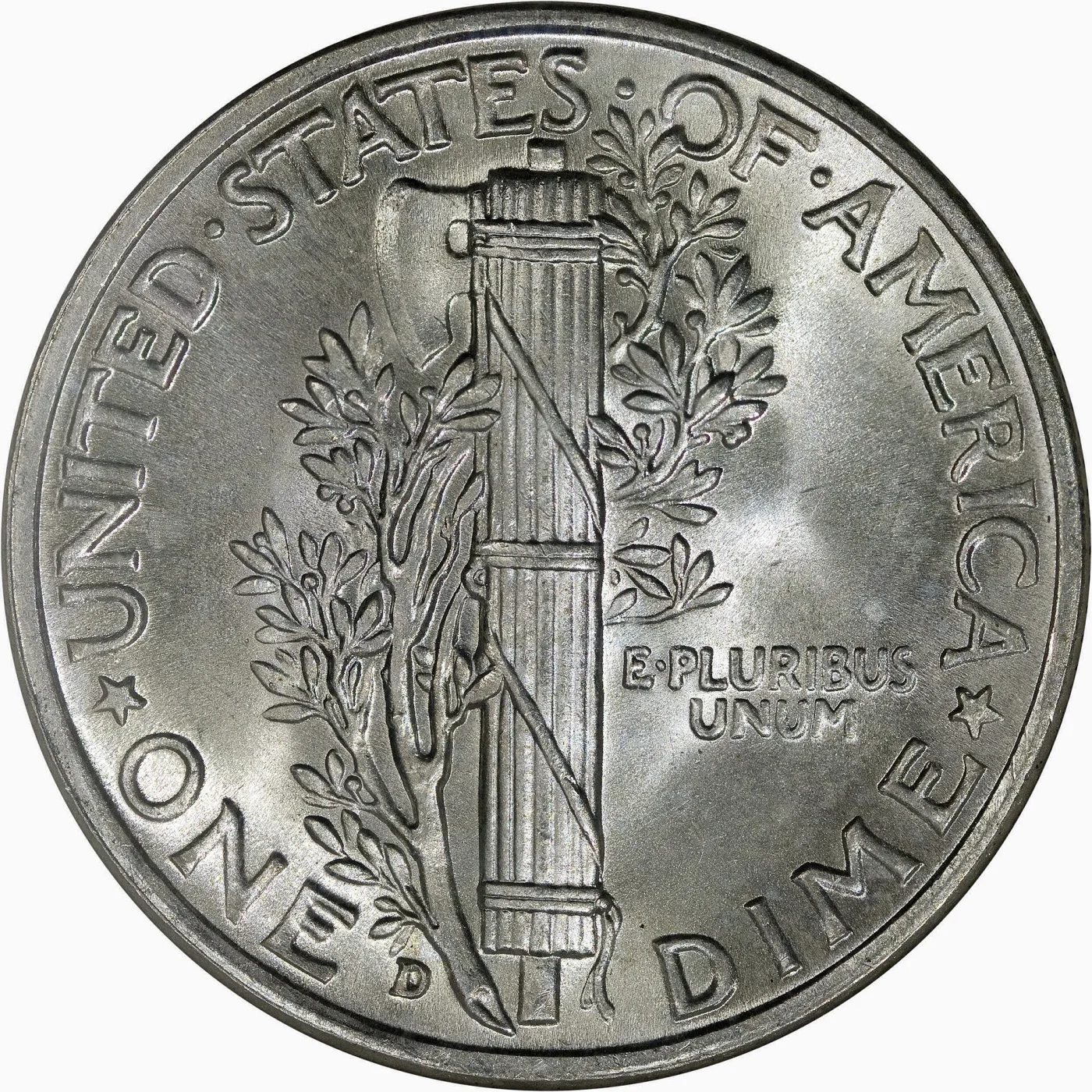
The key to the Mercury dime series. The Denver Mint struck only 264,000 dimes in 1916 before shifting to quarter production, making the 1916-D the standout rarity of an otherwise common series. Because so many collectors need it and so few exist, it is heavily counterfeited — usually by adding a “D” mint mark to a common Philadelphia 1916 dime — and should always be authenticated.
1877 and 1909-S Indian Head Cents
The Indian Head cent series has two celebrated keys: the 1877, with a low mintage that makes it the series’ premier rarity, and the 1909-S, the scarce final-year San Francisco issue. Both are widely faked, and the 1877 in particular is a coin where certification is strongly recommended before any significant purchase.
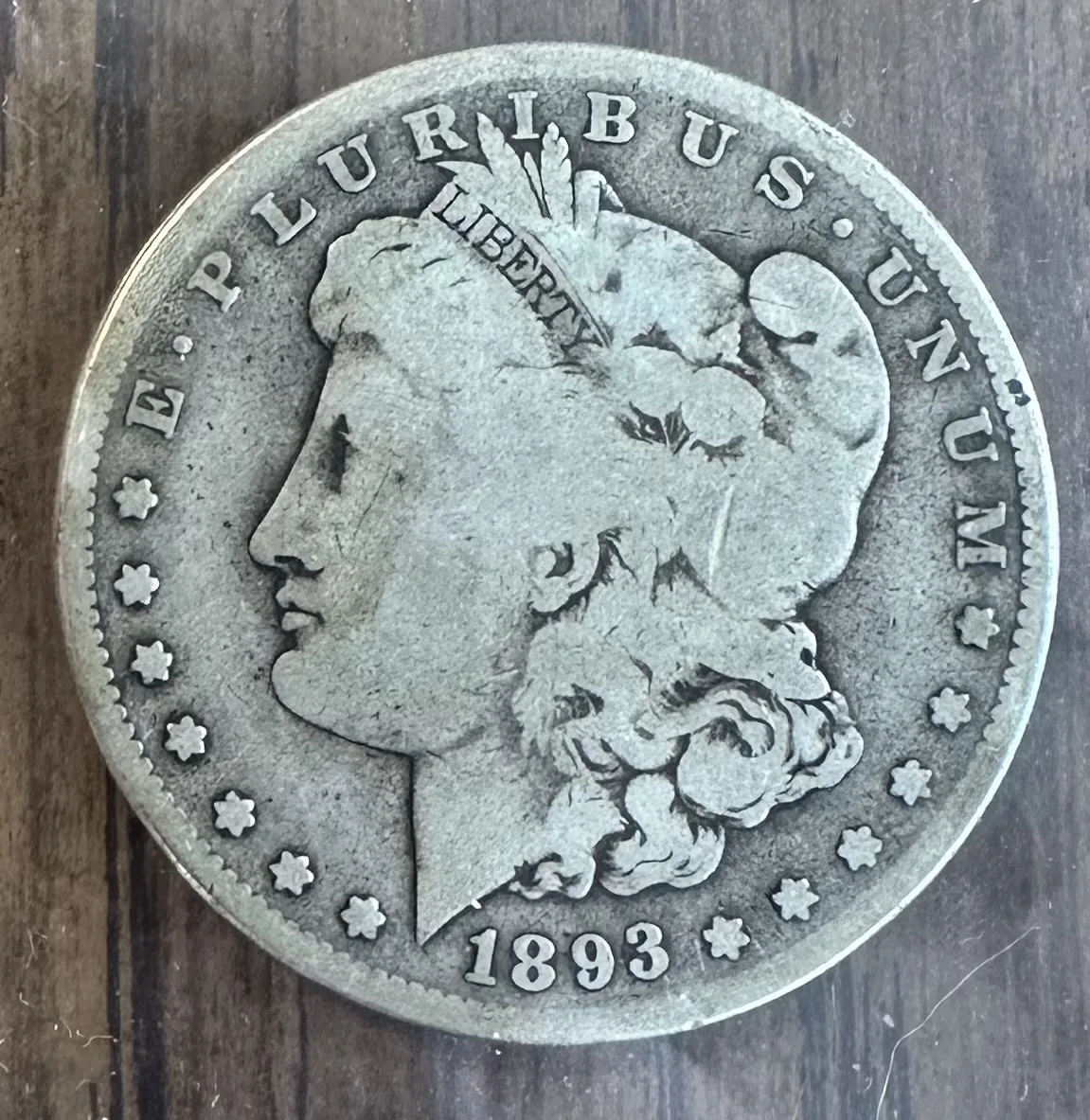
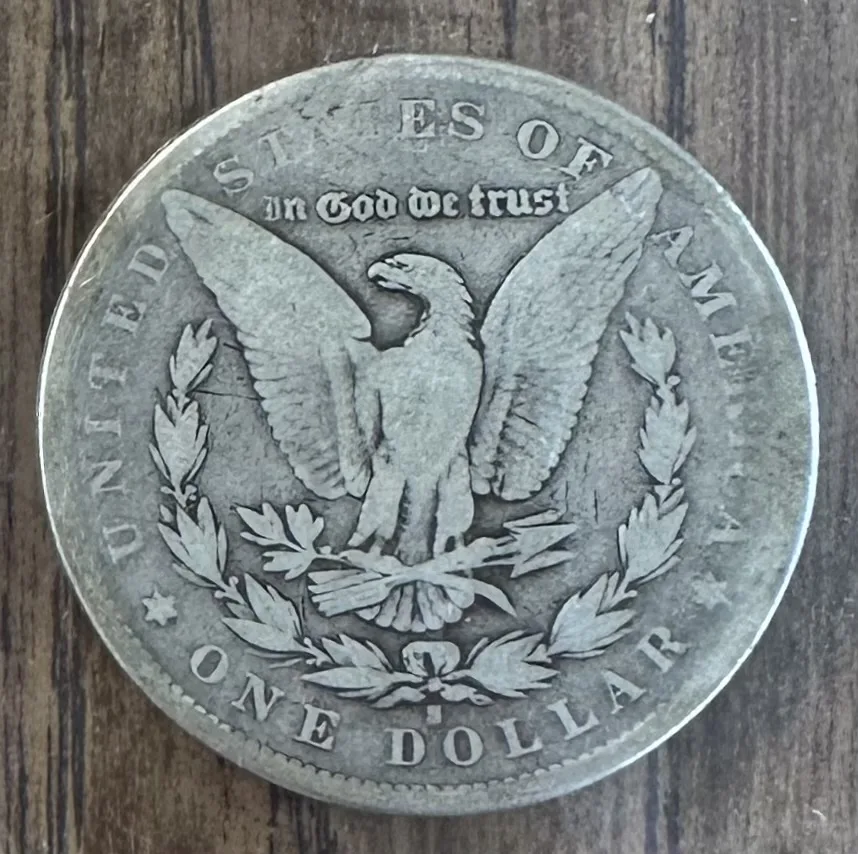
1893-S Morgan Silver Dollar
The king of the Morgan dollar series. With a mintage of only 100,000 — the lowest business-strike mintage of any Morgan — the 1893-S is the date every Morgan collector chases and the one that anchors the cost of a complete set. Genuine examples are expensive in any grade and extraordinarily valuable in high grade, and altered mint marks (adding an “S”) are a constant hazard.
1932-D and 1932-S Washington Quarters
The Washington quarter debuted in 1932, and while the Philadelphia issue is common, the Denver (1932-D) and San Francisco (1932-S) issues had low mintages and are the two keys to the entire series. They are the reason a complete Washington quarter set from 1932 onward is a meaningful accomplishment.
Other Notable Keys
The list goes on across every series: the 1916 Standing Liberty quarter, which is a Type 1 by definition, and the 1918/7-S overdate; the 1921 and 1938-D Walking Liberty half dollars; the 1928 Peace dollar in the Peace dollar series; the 1950-D nickel (a “key” tamed by hoarding); and the famous overdates and doubled dies that function as keys within their series. Some of these are true rarities and some are demand-driven semi-keys, but every serious series has its short list of dates that matter most.
How to Read Any Series for Its Keys
You do not need to memorize every key date in numismatics. You need a repeatable method for figuring out which dates matter in whatever series is in front of you. Here is how experienced collectors size up an unfamiliar series.
Step 1: Get the Date/Mint Checklist
Every U.S. series has a known list of every date and mint mark issued. A coin folder, a price guide (like the annual “Red Book”), or an online mintage table lays them all out. Start by understanding the full run — the first year, the last year, and every mint that produced the coin.
Step 2: Scan the Mintage Column
Run your eye down the mintage figures and flag the standouts — the dates with mintages far below the series average. These low-mintage dates are your candidate keys and semi-keys. Pay special attention to first-year and last-year issues (often lower mintage) and to branch-mint issues (Denver, San Francisco, New Orleans, Carson City), which are frequently scarcer than their Philadelphia counterparts.
Step 3: Cross-Check Against Value Guides
Mintage flags candidates, but the price guide confirms reality. Compare the flagged dates against a current value guide: the dates that carry large premiums over the common dates are the confirmed keys and semi-keys. Sometimes a date with an unremarkable mintage carries a big premium (a survival or condition issue), and sometimes a low-mintage date is cheap (a hoard). The value guide reconciles mintage with what actually happened to the survivors.
Step 4: Note the Condition Rarities and Varieties
Finally, learn which common dates become valuable in top grade (condition rarities) and which dates have collectible varieties — overdates, doubled dies, repunched mint marks, and major die varieties that function as keys in their own right. Many of these are catalogued as the famous “cherrypicker” varieties. Our error coins and mint errors guide covers the doubled dies, overdates, and repunched mint marks that create these variety-based keys.
Apply these four steps to any series and you can identify its keys in minutes, even one you have never collected — the method matters more than memorization.
Finding Key Dates in the Wild
Part of the thrill of key dates is that some of them can still be found — in old collections, in circulation, and in unsearched accumulations. Here is where they hide and how to hunt for them.
Inherited Collections and Old Accumulations
The richest source of key dates is old collections assembled decades ago, when keys were cheaper and circulation still yielded them. An inherited folder, cigar box, or coffee can of old coins may well contain keys the original owner pulled from change in the 1940s through 1960s. Before spending or selling any inherited coins, go through them date-and-mint by date-and-mint against a key-date checklist. This is exactly where the biggest “junk drawer” surprises come from.
Roll Hunting and Circulation
The older keys rarely appear in circulation anymore, but the hunt is not dead. Searching bank rolls of cents, nickels, and half dollars still turns up semi-keys, older dates, silver coins (in half dollars especially), and the occasional overlooked key that someone spent. Wheat cents still surface in cent rolls; 90% silver coins still appear in half-dollar rolls. Roll hunting is a patient game, but it is genuinely productive for semi-keys and silver.
Dealer Bins, Shows, and Estate Sales
Many key dates are “found” by knowledgeable buyers at coin shows, in dealer junk bins, and at estate and garage sales where the seller does not recognize what they have. A collector who knows the keys cold can spot an unattributed 1916-D dime or a genuine 1914-D cent in a pile of common coins that a non-specialist priced as bulk. Knowledge is the finding tool here — the coins are hiding in plain sight, mislabeled or unpriced.
The One Habit That Finds Keys
The single habit that finds key dates is simple and universal: always read the date and the mint mark on every old coin you handle, and compare against the keys for that series. Most valuable coins are missed not because they are cleverly hidden but because no one bothered to look at the mint mark. Make that check automatic and you will find things others walk past.
Verifying a Key Date Is Genuine
The flip side of key-date value is that keys are the most faked, altered, and counterfeited coins in the hobby. Precisely because a mint mark or a date can turn a common coin into a valuable one, forgers target exactly those features. Before you celebrate — or pay for — a key date, verify it.
The Added Mint Mark Problem
The most common key-date fraud is adding or altering a mint mark. A common 1916 Philadelphia dime becomes a “1916-D” when a fake “D” is added; a common 1944-D cent becomes a “1914-D” when the “4” is reworked into a “1.” Examine any key mint mark under magnification: it should match the exact size, shape, font, and position of genuine mint marks for that date, and there should be no tooling marks, seams, solder, or disturbed metal around it. Comparing against authenticated photos of the real mint-mark placement is essential.
Altered and Re-Engraved Dates
Dates are altered the same way — a digit re-engraved to turn a common date into a rare one. Look for unnatural spacing, digits that don’t match the series’ known font, and evidence of grinding or re-cutting. For famous overdate and doubled-die keys, compare against published diagnostics of the genuine variety, since only specific die markers confirm the real thing.
Outright Counterfeits
Beyond alteration, expensive keys are also struck as complete counterfeits, sometimes from deceptive transfer dies or cast copies. Weight, diameter, and metal composition should match published specifications exactly; a scale accurate to 0.01 g is a basic authentication tool. For the deceptive counterfeits now coming out of overseas operations, expert or third-party examination is often the only reliable defense. Our counterfeit detection guide walks through weight, die-diagnostic, and edge tests in detail.
When to Insist on Certification
For any significant key date, buy it already certified by PCGS or NGC, or make your purchase contingent on certification. A genuine key in a grading-service holder has been authenticated and graded by experts, which removes the alteration and counterfeit risk that makes raw keys dangerous. The rule is simple: the more a key is worth, the less you should ever buy it raw from an unknown source.
Buying Key Dates Wisely
Most collectors buy their keys rather than finding them, and keys are where the most money is at stake — so buying them well matters. A few principles protect you.
Buy Certified for Anything Valuable
As above, purchase valuable keys in PCGS or NGC holders. Certification confirms authenticity and grade, protects you from alteration and counterfeits, and makes eventual resale far easier. The modest cost of a certified coin over a raw one is cheap insurance against a fake key that could cost you everything you paid.
Buy the Grade, Not Just the Date
A key date’s value swings enormously with grade, so decide what grade you are buying and pay accordingly. For an expensive key, a well-worn but genuine and problem-free example is often the smart collector’s choice — you complete the set with an authentic coin without paying Mint State prices. Match your grade goals to your budget honestly rather than stretching for a grade you can’t verify.
Beware “Details” and Problem Coins
A key date that has been cleaned, damaged, or repaired will be far cheaper — for good reason. Grading services flag these as “Details” (or “genuine, cleaned”) rather than assigning a straight grade. A problem-free key holds value; a cleaned or damaged one is worth a fraction and is much harder to sell. Understand exactly what you are buying, and never let a low price on a “bargain” key tempt you past a details or damaged designation without a corresponding discount and clear understanding of the flaw.
Buy the Book Before the Coin
The oldest advice in numismatics applies most strongly to keys: learn the series, its keys, its fakes, and its price levels before you spend real money. A collector who knows the diagnostics of a genuine 1909-S VDB or 1916-D will not be fooled; one who doesn’t is a target. Reading and knowledge are the cheapest and most effective protection you can buy.
Set Building and Registry Strategy
Key dates only fully make sense in the context of set building — the traditional pursuit of assembling one of every date and mint in a series. How you approach the keys shapes your whole collecting strategy.
The Common-First, Keys-Last Approach
Most set builders fill the easy common and semi-key holes first, saving the expensive keys for last. This lets you enjoy visible progress cheaply, learn the series thoroughly before making the big purchases, and spread the cost of the keys over time. It also means that as you approach the finish line, you know exactly which keys you still need and can buy them deliberately and well.
Keys-First for the Committed
Some experienced collectors buy the keys first, reasoning that the keys are the hardest and most expensive part, that their prices tend to rise steadily, and that owning them locks in the achievability of the set. This approach demands more capital up front and more confidence in authentication, but it removes the risk that key prices run away from you while you dawdle over common dates.
Circulated Sets vs. Mint State Sets
Decide early whether you are building a circulated set (affordable, historically resonant, keys in worn grades) or a Mint State set (far more expensive, condition rarities in play, registry-competitive). The two are wildly different in cost and difficulty. A circulated Wheat cent set is a rewarding, attainable goal; a top-grade Mint State set of the same series is a major financial undertaking driven by condition rarity.
The Registry Set Game
For those chasing the highest grades, the grading services host “registry sets” that rank collectors by the combined grade of their sets. Registry competition is what pushes condition-rarity premiums to their extremes, as competitors pay whatever it takes for finest-known examples. It is an expensive, prestige-driven pursuit — thrilling for some, irrelevant for collectors who simply want a complete, honest set of a series they love.
What Drives Key Date Values
Key-date prices are set by the interaction of scarcity, grade, demand, authentication, and eye appeal. Understanding these drivers helps you judge whether a given key is fairly priced.
The Five Value Drivers
- Scarcity (survival, not just mintage): How many genuine examples exist, in any grade, is the foundation of value. True survival scarcity supports the strongest prices.
- Grade: Within a single key date, value climbs steeply with condition, and top grades can be worth many multiples of worn examples — especially where condition rarity is in play.
- Demand: Keys of widely collected series (Lincoln cents, Morgans, Mercury dimes) command premiums that equally scarce keys of unpopular series never reach. Popularity is a price multiplier.
- Authentication: A certified genuine key is worth far more than an uncertified one of uncertain authenticity, because the risk of alteration and counterfeiting is priced in. Certification adds real, quantifiable value.
- Eye appeal: Within the same date and grade, original surfaces, good strike, and attractive color or toning command premiums, while cleaned, damaged, or ugly examples sell at discounts.
Why Keys Hold Value
Key dates are widely considered the most resilient part of a collection’s value because demand for them is structural: as long as anyone is building sets of a series, they will need its keys, and the supply cannot grow. This steady, need-based demand is why keys tend to hold and appreciate better than common dates, and why “buy the keys in the best grade you can afford” is time-tested collecting advice. That said, no coin is a guaranteed investment, and prices move with the broader market — collect what you enjoy first, and treat value resilience as a welcome bonus rather than a promise.
Frequently Asked Questions
What is a key date coin?
A key date is the scarcest and most valuable issue (or one of the few scarcest) within a coin series — the specific year-and-mint-mark combination that collectors need to complete a set and that commands a large premium over the series' common dates. It is defined relative to its own series: a coin is a key because far fewer of it survive in collectible condition than the other dates of the same design, not because it is simply old or made of precious metal.
How do I know if my coin is a key date?
Read the date and the mint mark, then compare that exact combination against a key-date list or price guide for that series. The mint mark (D, S, O, CC, or none) is critical, because the same year can be common from one mint and a valuable key from another. If the date-and-mint carries a large premium over the common dates in a current value guide, you have a key or semi-key.
Does low mintage always mean a coin is valuable?
No. Low mintage is a clue, not a guarantee. Some low-mintage coins are common and inexpensive today because they were widely hoarded and saved (the 1950-D Jefferson nickel is the classic example), while some higher-mintage coins are genuinely rare because most were melted, spent, or worn out. What matters is how many survive in collectible condition — survival rate — not just how many were originally struck.
What is the difference between a key date and a semi-key?
Key dates are the one to three scarcest, most expensive issues that anchor a series and define the cost of completing it. Semi-keys are the next tier — noticeably scarcer and pricier than common dates, but far more available and affordable than the true keys. A series typically has a few semi-keys, and together they often make up a large share of a set's total cost.
What is a condition rarity?
A condition rarity is a date that is common in worn grades but very scarce in top uncirculated condition, so the highest-grade examples command huge premiums even though the date itself is abundant. The date is common; the grade is rare. Condition rarities are a major value driver in modern collecting, amplified by registry-set competition, and they explain how two coins of the same date and "uncirculated" description can differ in price by a factor of a hundred.
What is the most famous key date coin?
The 1909-S VDB Lincoln cent is the most famous key date in American collecting. Only 484,000 were struck at San Francisco with designer Victor David Brenner's "VDB" initials before they were removed, making it the celebrated key to the Lincoln Wheat cent series. It is also among the most counterfeited and altered coins, so genuine examples should always be authenticated.
Why are key dates faked so often?
Because a single mint mark or a re-engraved digit can turn a common, low-value coin into a valuable key, forgers target exactly those features. The most common frauds are adding or altering a mint mark (turning a 1916 dime into a "1916-D") and re-engraving a date (turning a 1944-D cent into a "1914-D"). This is why valuable keys should be authenticated — ideally bought already certified by PCGS or NGC.
Should I buy key dates raw or certified?
For anything valuable, buy certified. A key date in a PCGS or NGC holder has been authenticated and graded by experts, which removes the alteration and counterfeit risk that makes raw keys dangerous, and it makes resale far easier. Raw keys from unknown sources are the single riskiest purchase in the hobby. The rule of thumb: the more a key is worth, the less you should ever buy it uncertified.
Can I still find key dates in circulation?
The famous older keys rarely appear in circulation now, but the hunt is not over. Searching bank rolls of cents, nickels, and especially half dollars still turns up semi-keys, older dates, silver coins, and the occasional overlooked coin someone spent. The richest source, though, is old inherited collections and accumulations assembled decades ago, which frequently contain keys pulled from change when they were still common.
Can the Coin Identifier app help me find key dates?
Yes. The app quickly identifies a coin's type, date, mint, and likely value, which is exactly the first step in spotting a key date — reading the date and mint mark correctly and knowing whether that combination is scarce. For high-value keys you should still verify the mint mark under magnification against genuine examples, check weight and diameter, and buy certified, but identifying the coin correctly is where every key-date discovery begins.