Lincoln Shield Cent Identification Guide: Key Dates, Mint Marks, and Values
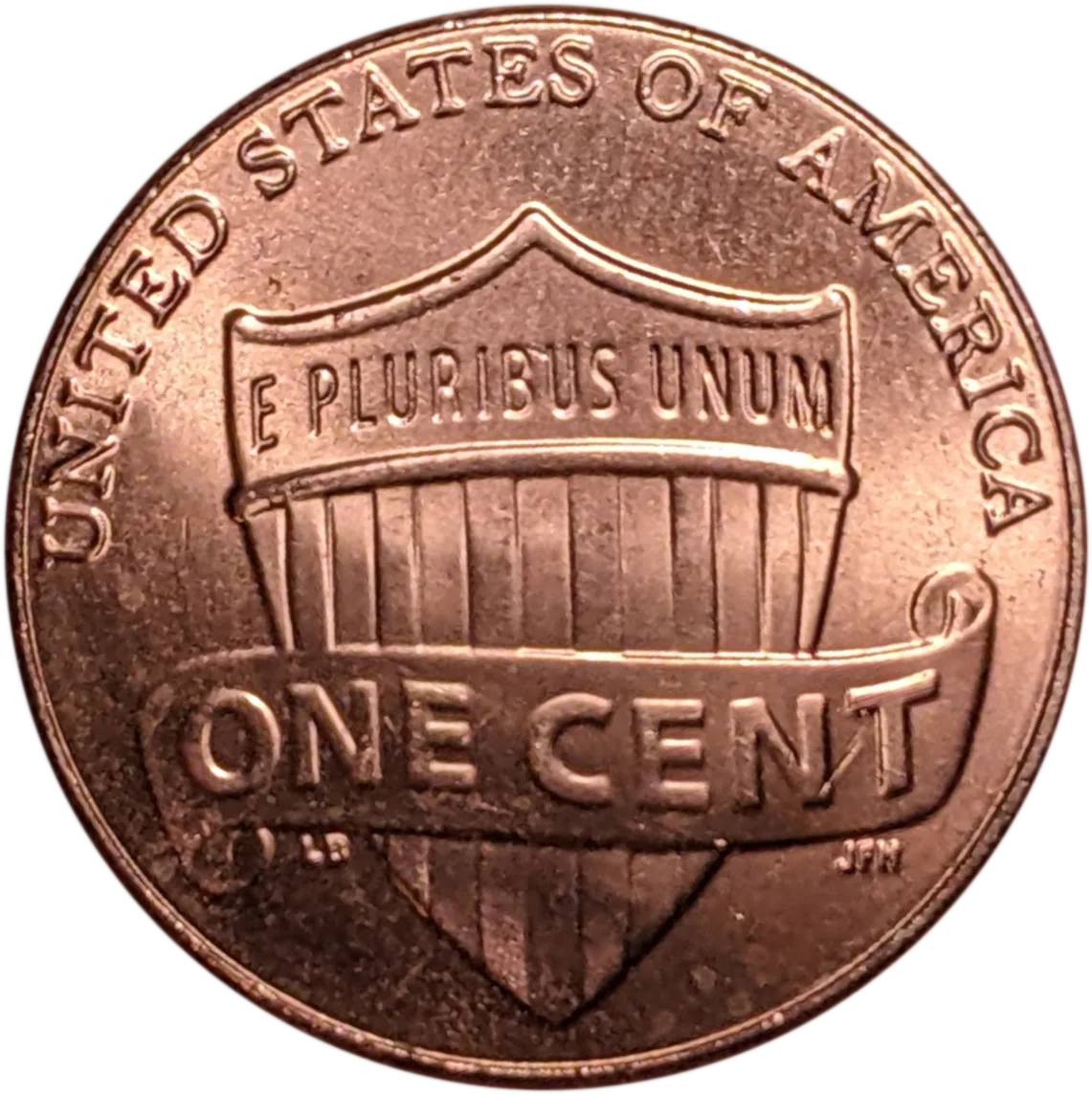
The Lincoln Shield Cent is the penny in your pocket right now. Introduced in 2010 with a brand-new Union Shield reverse, it is the current circulating one-cent coin of the United States and the design that every American handles every day. It replaced the four one-year-only bicentennial reverses of 2009, which themselves had retired the Lincoln Memorial after a fifty-year run — making the Shield cent the fourth distinct reverse to carry Victor David Brenner’s unchanging Lincoln portrait since 1909.
Because these coins are so new and so common, the overwhelming majority are worth exactly one cent. But that is precisely why the exceptions are so exciting: a coin you could pull from a roll today might be a 2019-W cent worth $200 and up, a satin-finish 2009 copper bicentennial issue, a scarce doubled die, or a dramatic mint error. The Shield series is the rare modern set where the hunt is still genuinely live — the valuable pieces are circulating right now, mixed into ordinary change.
This guide teaches you how to identify, grade, authenticate, and value every Lincoln Shield Cent from 2009 to today. You will learn the four 2009 bicentennial designs and how to tell the rare copper collector versions from common zinc, the meaning of the new “W” and “P” mint marks that appeared for the first time on the cent, how to spot a genuine doubled die versus worthless machine doubling, and exactly which dates and finishes deserve a second look. Whether you are roll-hunting at the bank or sorting a jar of change, this is the knowledge that turns a one-cent coin into a find.
History and Design of the Shield Cent
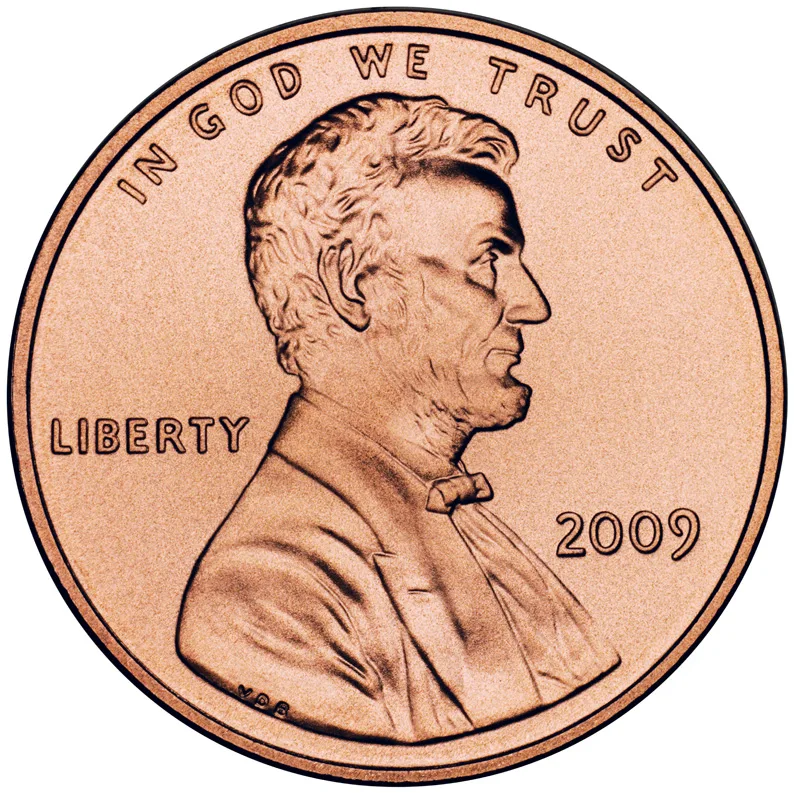
In 2010, the United States Mint introduced a new permanent reverse for the cent: the Union Shield. The design replaced both the Lincoln Memorial — covered in detail in our Lincoln Memorial Cent guide — and the four temporary bicentennial reverses that had appeared only in 2009. The obverse, however, retained Brenner’s iconic Lincoln portrait, unchanged since 1909, preserving the longest-running obverse design in American coinage.
The Union Shield reverse was designed by artist Lyndall Bass and sculpted by Mint sculptor-engraver Joseph Menna. It depicts a heraldic shield with thirteen vertical stripes (called pales) representing the thirteen original states united into a single nation, beneath a horizontal bar across the top inscribed “E PLURIBUS UNUM” (“out of many, one”). A scroll draped across the shield bears the denomination “ONE CENT,” and “UNITED STATES OF AMERICA” arcs around the top. The shield was a deliberate symbolic choice: it echoes the imagery found throughout the U.S. Capitol and represents the preservation of the Union under Lincoln’s presidency.
Why the Design Changed
The 2005 Presidential $1 Coin Act, the same legislation that launched the Presidential Dollar series, also directed the Mint to redesign the cent reverse after 2009 to represent “Lincoln’s preservation of the United States as a single and united country.” The four 2009 bicentennial designs marked the 200th anniversary of Lincoln’s birth and the 100th anniversary of the Lincoln cent; the 2010 shield then became the permanent reverse going forward. The Shield cent has now been in continuous production longer than the bicentennial issues and is steadily approaching the longevity of earlier designs.
A Familiar Obverse
Brenner’s Lincoln bust remains on the obverse, with “IN GOD WE TRUST” above, “LIBERTY” to the left, and the date and mint mark to the right. The continuity is remarkable: the same portrait has now appeared on the wheat cent (1909-1958), the Memorial cent (1959-2008), the 2009 bicentennial cents, and the 2010-onward shield cent. As we note in our Lincoln Wheat Penny guide, that obverse portrait creates an unbroken visual line stretching back well over a century.
The 2009 Bicentennial Cents
Before the shield arrived, 2009 brought one of the most ambitious one-year programs in cent history: four entirely different reverse designs, each illustrating a chapter of Abraham Lincoln’s life. Although technically a separate “Lincoln Bicentennial” issue rather than the shield series itself, these coins are inseparable from any modern cent collection and are the immediate predecessors of the shield reverse.
The Four Reverse Designs
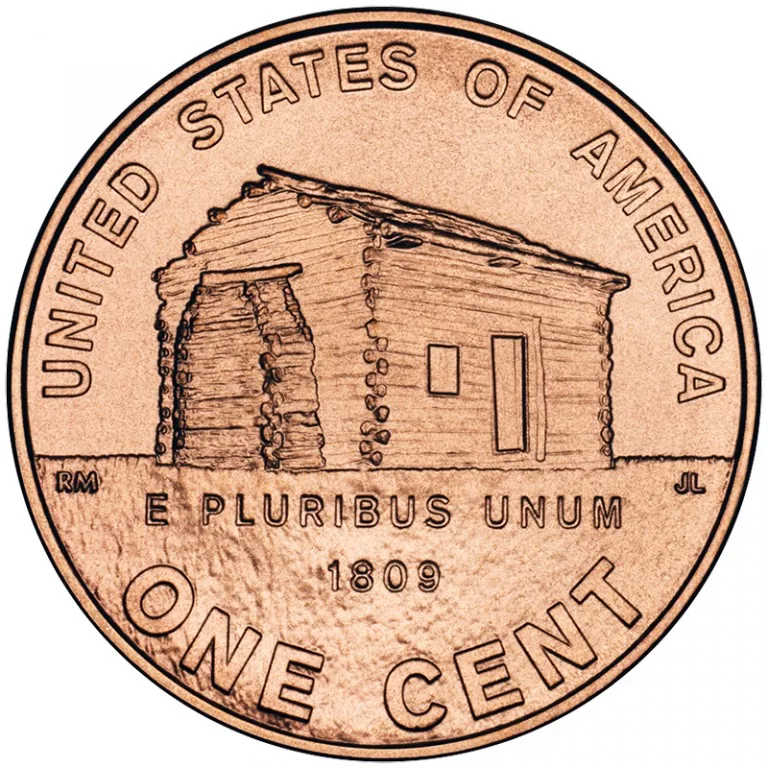
- Birthplace (Log Cabin): A log cabin representing Lincoln’s birth in Kentucky. Designed by Richard Masters and sculpted by Jim Licaretz.
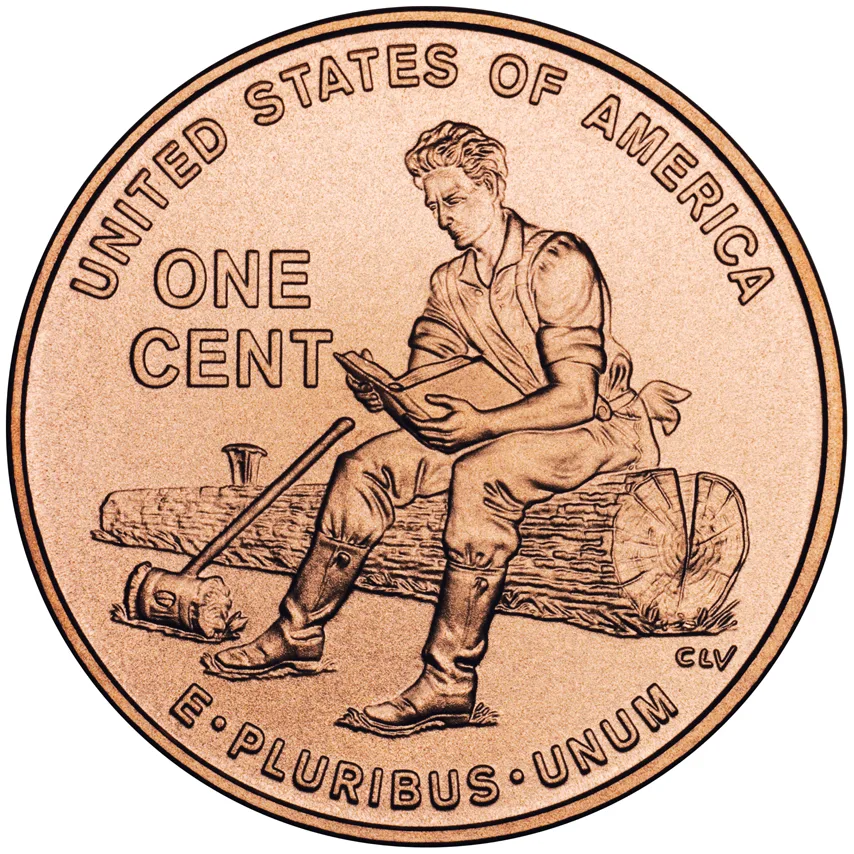
- Formative Years (Rail Splitter): A young Lincoln taking a break from rail-splitting to read a book in Indiana. Designed and sculpted by Charles Vickers.
- Professional Life (Illinois Capitol): Lincoln standing before the Illinois State Capitol in Springfield. Designed by Joel Iskowitz and sculpted by Don Everhart.
- Presidency (Capitol Dome): The half-completed U.S. Capitol dome as it appeared during Lincoln’s presidency. Designed and sculpted by Susan Gamble and Joseph Menna.
Two Compositions in 2009
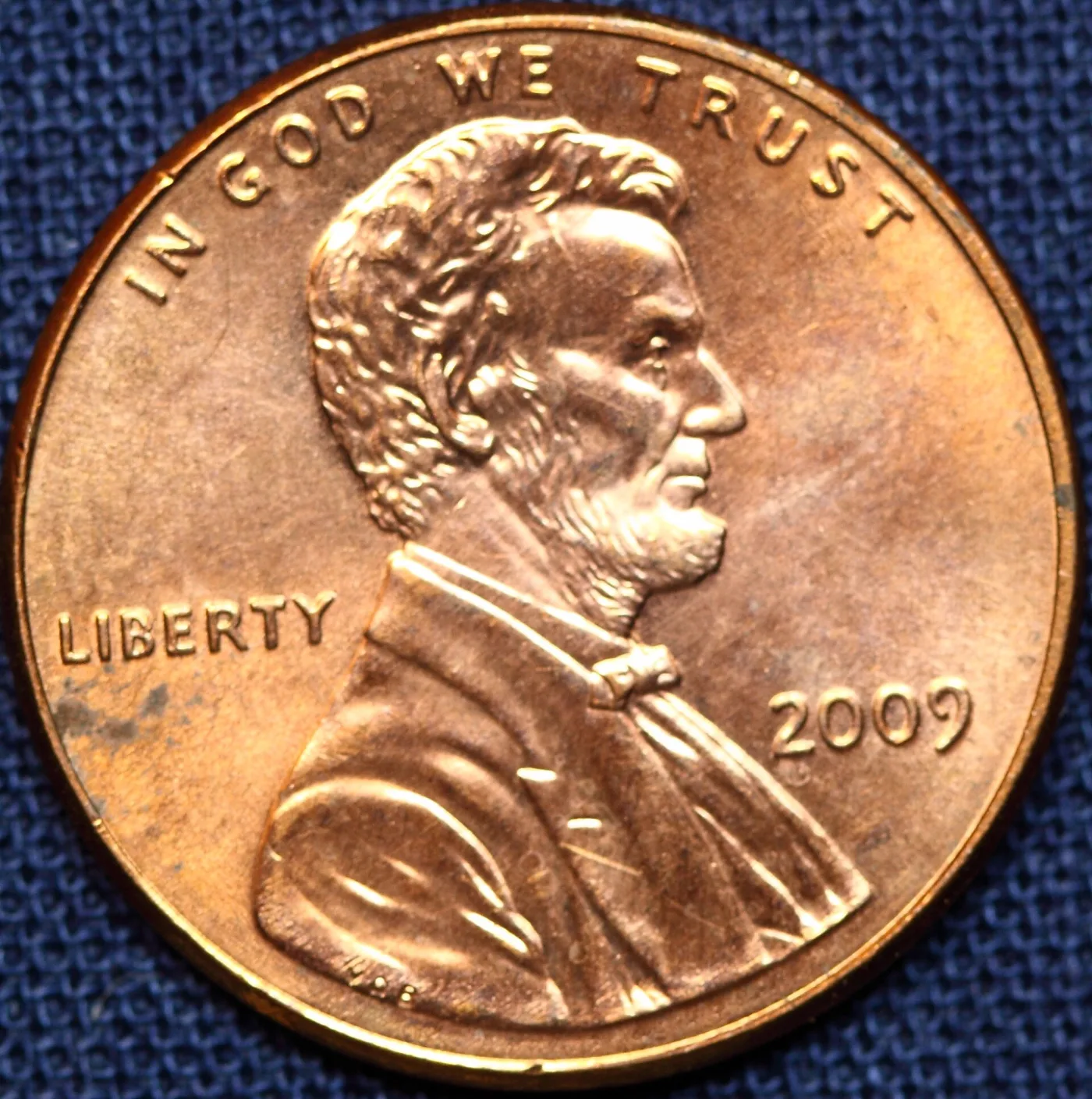
This is the most important collecting fact about the bicentennial cents: they were struck in two different metals. Circulation coins for everyday use were made from the standard copper-plated zinc (2.5 grams). But for collector sets, the Mint struck special versions in the historic 95% copper alloy (3.11 grams) — the same bronze used on cents before 1982 — with a satin finish. These copper bicentennial cents were sold only in Mint Sets and were never released into circulation, so finding one in change is essentially impossible. A 2009 cent that weighs 3.11 grams is the scarce copper collector version; one weighing 2.5 grams is the common circulation zinc coin.
The Formative Years “Extra Finger” Variety
The most famous 2009 variety is the Formative Years (Rail Splitter) “extra thumb” or “extra finger” doubled die, where die doubling near Lincoln’s hand on the log makes it appear he has an additional digit. Genuine examples carry a modest premium, and the variety is best confirmed on the satin-finish copper Mint Set coins, where the detail is sharpest. As with all doubled dies, machine doubling look-alikes are common and worthless — the same true-versus-false test we cover for the Jefferson Nickel applies here exactly.
Physical Specifications and Composition
The Lincoln Shield Cent shares its physical specifications with the late Memorial cents, because the composition switch that mattered most — copper to zinc — happened back in 1982, long before the shield arrived. Understanding the specs is still essential for authentication and for separating the rare copper 2009 collector coins from common zinc.
Dimensions
Every Shield cent measures 19.05 millimeters (0.750 inches) in diameter with a plain, non-reeded edge. The diameter has been identical across every Lincoln cent since 1909 and has not changed for the shield issue.
Composition and Weight
- 2009 circulation strikes: 97.5% zinc core with 2.5% copper plating. Weight 2.5 grams.
- 2009 collector strikes (Mint Set, satin finish): 95% copper, 5% tin and zinc (bronze). Weight 3.11 grams.
- 2010-present (all circulation and most collector strikes): 97.5% zinc core with 2.5% copper plating. Weight 2.5 grams.
Why Weight Still Matters
A digital scale accurate to 0.01 grams remains useful even for modern cents. For 2009 issues specifically, weight is the fastest way to tell a scarce copper Mint Set coin (3.11 g) from a common circulation zinc coin (2.5 g). It is also the quickest screen for wrong-planchet errors, where a cent design is struck on a planchet intended for another denomination. The copper composition was abandoned in 1982 because the metal value of a copper cent exceeded one cent — the same economic pressure that ended silver coinage in series like the Roosevelt Dime decades earlier.
Mint Marks: P, D, S, and the New W
Mint marks on Shield cents appear on the obverse, directly below the date, in the same position used on every Lincoln cent. The shield era is notable for introducing mint marks that had never before appeared on the cent, which makes mint-mark reading more important than ever for modern collectors.
The Standard Mint Marks
- No mint mark (Philadelphia): The vast majority of circulation cents carry no mint mark and were struck at Philadelphia. These are common and carry no premium except for varieties.
- “D” (Denver): Denver strikes circulation cents every year. Like Philadelphia issues, they are common except for varieties.
- “S” (San Francisco): San Francisco strikes proof-only cents for collector sets. Every “S” Shield cent is a proof and was never released into circulation.
The Mint Marks That Made History
Two mint marks appeared on the Lincoln cent for the very first time during the shield era, and both are significant to collectors:
- “W” (West Point): In 2019, the West Point Mint struck cents for the first time ever, in three finishes, each included as a bonus in a different collector set.
- “P” (Philadelphia): In 2017 only, Philadelphia added its “P” mint mark to the cent to celebrate the 225th anniversary of the U.S. Mint — the only year in the entire history of the Lincoln cent that a “P” appears.
Reading Mint Marks on Modern Cents
Because Shield cents are so new, virtually all retain crisp, readable mint marks. All mint marks are part of the working die (not hand-punched onto individual coins as on 19th-century issues), so genuine examples are sharp and consistently positioned. A 7x to 10x loupe confirms the letter instantly. The “P” and “W” issues are the ones worth scrutinizing, since those mint marks signal a coin that may carry a premium.
The 2019-W West Point Cents
The single most important development of the Shield series was the 2019 release of cents bearing the “W” mint mark of the West Point Mint — the first West Point cents ever made. They are the closest thing the modern cent has to a true key date, and every collector should know them.
Three Finishes, Three Sets
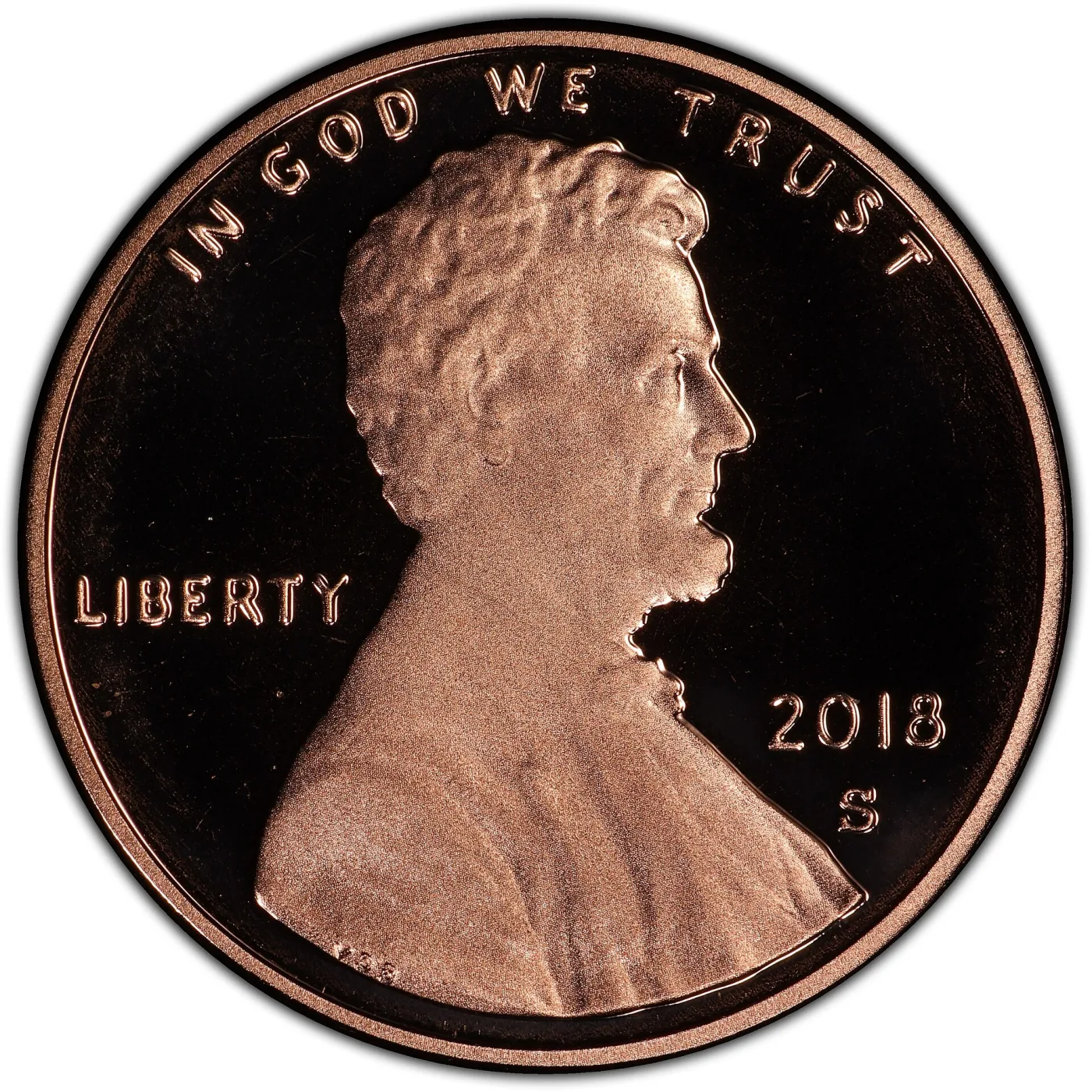
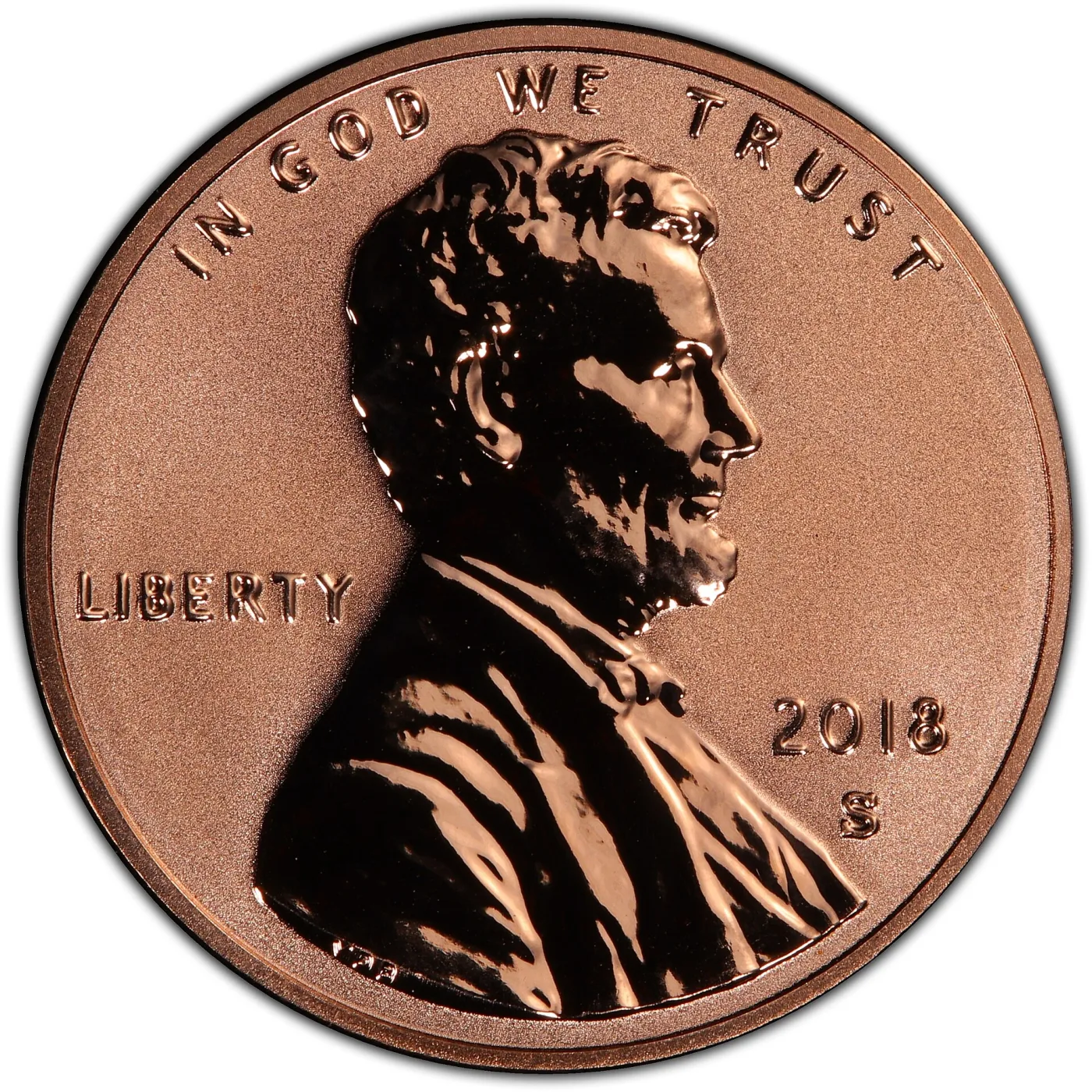
The Mint struck the 2019-W cent in three distinct finishes, each given away as a free bonus coin inside a different product:
- 2019-W Proof: Included with the 2019 Proof Set. A mirror-field proof finish.
- 2019-W Reverse Proof: Included with the 2019 Silver Proof Set. Frosted fields with mirrored devices — the opposite of a normal proof.
- 2019-W Uncirculated (Burnished): Included with the 2019 Uncirculated Mint Set. A satin, matte-like finish.
Why They Matter
These were the first cents struck at West Point and the first time the Mint used the cent as a premium “gift” coin to encourage set sales. Because they were never released into circulation and were distributed only inside specific sets, supply is limited to the sets sold. Each of the three finishes typically trades from roughly $50 to several hundred dollars depending on finish, grade, and certification, with the reverse proof generally the most sought after. A full three-coin 2019-W set in high certified grades is a centerpiece of any modern Lincoln collection.
Authentication Note
Because a single letter “W” separates a $200 coin from a one-cent coin, the 2019-W cents are a target for alteration — adding a “W” to a common 2019 cent. Genuine 2019-W cents have the crisp, properly shaped and positioned mint mark of a working die and the correct finish (proof, reverse proof, or burnished), which a circulated zinc cent cannot fake. For any raw 2019-W, certification by PCGS or NGC is strongly recommended.
The 2017-P One-Year Mint Mark
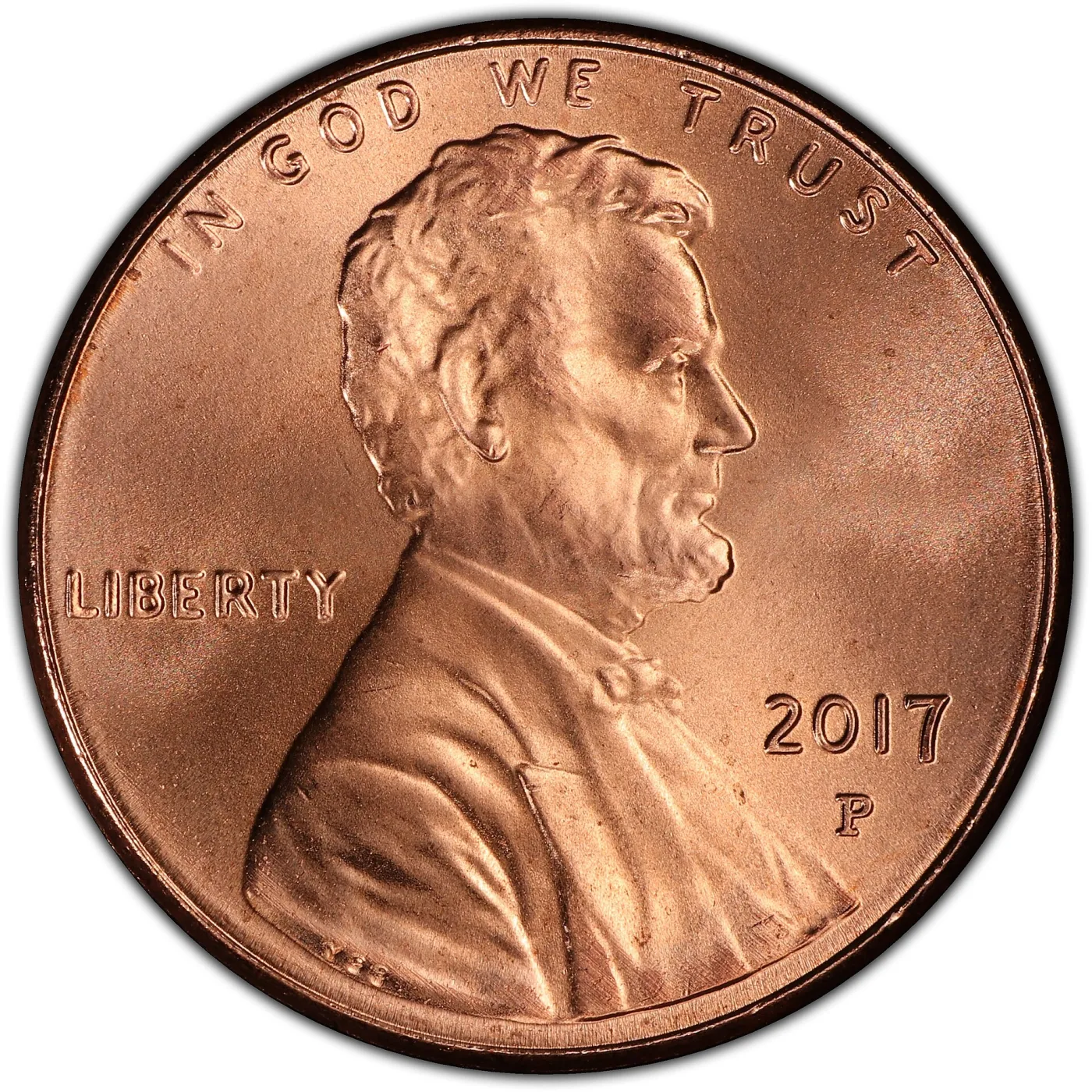
In 2017, the U.S. Mint celebrated its 225th anniversary by adding the “P” mint mark to the Philadelphia cent — something it had never done before and has not done since. For this one year only, every Philadelphia-struck cent carried a “P” below the date.
A One-Year Type for the Mint Mark
The “P” mint mark is a standard feature on most other Philadelphia denominations (the nickel, dime, quarter, and dollar all carry “P”), but the cent had always been the exception, struck without a mint mark at Philadelphia. The 2017-P cent broke that tradition for a single year as a commemorative gesture, then the mint mark vanished again in 2018. This makes the 2017-P a fun and historically significant one-year mint-mark type.
Are They Valuable?
Because the 2017-P was struck for general circulation in massive numbers, most are worth face value in circulated condition. The value lies in high grades: a 2017-P certified in top Mint State Red (MS-67 or higher) can carry a meaningful premium because so few were saved in pristine condition. For most collectors, the 2017-P is a must-have type coin best pulled from change and saved in the highest grade you can find. Set one aside whenever you spot the “P.”
Key Dates, Finishes, and Rarities
The Shield series has few traditional “key dates” in the sense of low-mintage circulation coins, because production has been enormous every year. Instead, the rarities are defined by special mint marks, finishes, collector-only compositions, and die varieties. Memorizing this short list is the first priority for any modern roll hunter.
The Modern Cent Rarities to Know
- 2019-W (three finishes): Proof, reverse proof, and burnished. The closest thing to a key date. Roughly $50-$300+ each.
- 2009 Copper Bicentennial (satin finish): The 3.11-gram collector versions of the four 2009 designs, sold only in Mint Sets. Premium pieces in high grade.
- 2017-P: One-year-only “P” mint mark. Common circulated, premium in MS-67+.
- Major Doubled Dies: 2009 Formative Years extra finger, 2010 shield doubled dies, and other documented varieties.
- Significant Mint Errors: Dramatic off-centers, missing-plating coins, wrong-planchet strikes, and large die cuds.
Condition Rarity in the Modern Era
For modern cents, the real scarcity is condition. Billions are made, but very few are preserved in flawless, fully Red Gem condition. A common-date Shield cent worth one cent in change might be worth $20, $50, or more in a top-pop certified grade like MS-68 Red. This “condition rarity” is the engine of the modern registry-set hobby, where collectors compete to assemble the finest-graded examples of each date and mint. The same dynamic rewards top-grade examples across modern series, from the Washington Quarter to the Sacagawea Dollar.

Doubled Dies and Die Varieties
Even in the modern era, the cent’s enormous production guarantees a steady stream of die varieties. Doubled dies, die cracks, and repunched features appear throughout the shield run, and learning to spot genuine doubling — while rejecting the worthless look-alikes — is the most valuable skill a Shield cent hunter can develop.
True Doubled Die vs. Machine Doubling
A genuine doubled die occurs during die manufacture, when the die receives a doubled image during the hubbing process. Every coin struck from that die shows identical, rounded, raised doubling with clear separation and split serifs. Machine doubling (also called strike doubling or shelf doubling) happens during striking when the die shifts, producing flat, shelf-like, low doubling. Machine doubling is essentially worthless. The distinction is critical: a coin with machine doubling is worth one cent, while a genuine major doubled die can be worth hundreds. This same true-versus-machine test applies across the entire cent series, from the early Indian Head Penny right up to today’s shield issues.
Notable Shield-Era Varieties
- 2009 Formative Years Extra Finger DDO: Doubling near Lincoln’s hand creates an apparent extra digit. The best-known modern bicentennial variety.
- 2010 Shield Doubled Dies: Several doubled dies are documented on the first-year shield reverse and obverse lettering.
- Repunched and Misplaced Features: Minor die doubling on “LIBERTY,” “IN GOD WE TRUST,” and the date appears on various dates and mints.
Where to Verify Varieties
Because the shield series is so new, variety attribution is still developing. The Cherrypickers’ Guide, PCGS CoinFacts, and variety-specialist sites document confirmed doubled dies with attribution photographs. Always compare a suspected variety to a known reference image before assigning value, and remember that the majority of “doubling” reported on modern cents is machine doubling worth face value.
Error Coins and Plating Problems
The massive production of Shield cents generates a wide array of mint errors, many of which can still be found in circulation. Error collecting is one of the most rewarding ways to enjoy modern cents, because the material is abundant and affordable. Our full error coins identification guide covers the three families of errors — planchet, die, and striking — in depth.
Off-Center Strikes
Off-center strikes occur when the planchet is misaligned in the collar at the moment of striking. A 5-10% off-center cent might bring a few dollars, while a 50% off-center coin with a full, readable date can bring $20 to $50. The percentage off-center and the visibility of the date together drive the value.
Plating Errors Unique to Zinc Cents
Because Shield cents are copper-plated zinc, they are prone to plating-specific errors not seen on solid-copper coins. Improperly annealed planchets can produce discolored “sintered” cents; areas where the copper plating failed to adhere leave exposed gray zinc; and plating blisters or bubbles form when gas is trapped beneath the copper layer. These plating anomalies range from minor curiosities worth a dollar or two to dramatic, eye-catching errors worth more.
Clipped Planchets, Broadstrikes, and Die Cuds
Clipped planchets show a curved or straight section missing where the blanking die overlapped. Broadstrikes occur when a coin is struck without the retaining collar, producing a wider, rimless coin. Die cuds — raised blobs where a piece of the die broke away — are collected as a specialty and priced by size and placement. All are common Shield cent errors valued from a few dollars to $50 depending on severity.
Wrong-Planchet and Off-Metal Errors
Occasionally a cent design is struck on a planchet intended for another coin, such as a dime planchet. A Shield cent struck on a dime planchet is undersized, silvery, and light, and can bring several hundred dollars. Weight and diameter immediately reveal these dramatic errors, which is one more reason to keep a digital scale on the bench.
Proof and Special Finish Cents
Throughout the shield series, the Mint has produced collector cents in finishes never released into circulation. Recognizing these finishes helps you identify premium coins in mixed lots and distinguish them from ordinary business strikes.
Standard Proofs
Proof Shield cents are struck at San Francisco and carry the “S” mint mark. They are struck on specially prepared planchets with polished dies, producing mirror-like fields and frosted devices. Every “S” Shield cent is a proof sold only in proof sets, so an “S” cent found in change came from a broken-up set.
Reverse Proofs and Burnished Finishes
The shield era expanded the Mint’s use of special finishes. Reverse proofs invert the normal contrast — frosted fields with mirrored devices — and appeared notably on the 2019-W reverse proof cent. Burnished (uncirculated) cents have a satin, matte-like surface and were used for the 2009 copper Mint Set coins and the 2019-W uncirculated cent. Learning to recognize these finishes is key to spotting the premium issues.
Cameo and Deep Cameo Proofs
Proofs with strong frost-to-mirror contrast earn Cameo (CAM) or Deep Cameo (DCAM) designations from grading services. Although modern proofs are made to a very high and consistent standard, the top-graded Deep Cameo examples in PR-70 still command premiums in the registry-set market, where perfection is the goal.
Grading Lincoln Shield Cents
Shield cents are graded on the Sheldon 1-70 scale used for all U.S. coins. Because the series is so recent, grading focuses almost entirely on the upper Mint State grades and on surface quality rather than on wear. For a deep dive into the grading scale itself, see our complete coin grading guide.
Circulated Grades
Circulated Shield cents are extremely common and almost never worth more than face value, since the series is too young to have produced genuinely scarce worn examples. Wear first appears on the high points of Lincoln’s portrait on the obverse and on the raised lines of the shield on the reverse. For the shield series, circulated grading matters mainly for confirming a coin is genuine and unaltered rather than for assigning value.
Mint State (MS-60 to MS-70)
The vast majority of collectible Shield cents are graded Mint State, and the distinctions between MS grades depend on the number and severity of contact marks, strike quality, and luster. The shield’s vertical stripes and the scroll lettering should be sharp on a well-struck coin. Even tiny spots, hairlines, or contact marks can hold a coin back from the top grades — which is exactly why ultra-high-grade modern cents are scarce and valuable.
The Importance of Full Strike and Surfaces
Zinc-era cents can show mushy detail and surface imperfections more readily than the old copper coins, so a fully struck Shield cent with razor-sharp shield stripes and clean, spot-free fields will command a strong premium over an ordinary example of the same numerical grade. In the modern registry game, the difference between MS-67 and MS-68 can be a multiple in price, all riding on microscopic surface quality.
Color Designations: Red, Red-Brown, Brown
Like all copper and copper-plated coinage, Shield cents carry a color designation that significantly affects value. Grading services assign one of three designations based on how much original mint-red color remains on the surface.
Red (RD)
At least 95% original mint-red color. Red is the most desirable designation and commands the highest prices. For circulating Shield cents, fully Red examples are common in the short term, but holding that bright red over decades is harder for plated zinc than for solid copper.
Red-Brown (RB)
Between 5% and 95% red, the remainder toned to brown. Red-Brown coins typically sell for a fraction of full-Red values. On young coins, a Red-Brown designation usually signals early toning or environmental exposure.
Brown (BN)
Less than 5% red. Brown is the most affordable designation. On a coin as recent as a Shield cent, a Brown grade often indicates that the coin has toned or been mishandled, though a pleasing, evenly toned brown cent can still be attractive.
Zinc Rot and the Composition Debate
The single biggest preservation challenge for Shield cents is their copper-plated zinc construction. When the thin copper plating is breached — by a scratch, an edge ding, or simple manufacturing imperfection — the reactive zinc core underneath begins to corrode.
What Zinc Rot Looks Like
Zinc rot (also called “zinc pest” or “post-mint damage”) appears as bubbling, pitting, dark spots, or a powdery white-gray crust on the surface. It typically starts at the rim or at any point where the plating is thin or broken. Once it begins, it is irreversible and progressive, and it severely reduces a coin’s grade and value. This is why pristine, spot-free zinc cents in full Red are harder to find than the enormous mintages suggest — many have already begun to degrade.
The Cost-to-Produce Problem
The Shield cent sits at the center of an ongoing public debate because it costs more than one cent to make. The combined cost of metal, manufacturing, and distribution has exceeded the coin’s face value for years, meaning the Mint loses money on every cent it strikes. This economic reality has fueled repeated proposals to suspend or eliminate cent production — the same pressure that, if acted upon, would eventually make the Shield cent the final chapter in the long story of the American penny. For collectors, any such change would instantly transform the last-year Shield cents into significant modern issues.
Protecting Your Coins
Because zinc is so reactive, the Shield cents you want to preserve demand careful storage — even more than the older copper issues. Low humidity is the single most important factor in preventing zinc rot, as moisture is what drives the corrosion beneath the plating.
Authentication and Counterfeit Detection
Because the headline Shield cent rarities carry meaningful premiums, altered coins are a real concern. The good news is that most fakes are easy to expose with a loupe, a magnet, and a scale.
Rejecting Machine Doubling
The most common “fake” Shield cent rarity is simply a normal coin with machine doubling sold as a genuine doubled die. Remember: genuine doubled-die doubling is raised, rounded, and shows separation and split serifs; machine doubling is flat and shelf-like. If the doubling looks like a flattened smear rather than a clear second image, it is machine doubling and worth face value.
The 2019-W and 2017-P Mint Mark Check
The premium 2019-W and 2017-P coins are obvious targets for adding or altering a mint mark. A genuine 2019-W has the crisp mint mark of a working die plus the correct collector finish (proof, reverse proof, or burnished); a circulated zinc cent with a “W” crudely added cannot replicate that finish. Examine the mint-mark area at high magnification for tooling marks, and compare the digit and letter shapes to reference images. The same altered-mint-mark tactics seen on valuable classic coins like the Buffalo Nickel are applied to modern key cents.
The 2009 Copper Weight Test
For the 2009 bicentennial issues, a digital scale settles the copper-versus-zinc question instantly. A 2009 cent weighing about 3.11 grams is the scarce copper Mint Set coin; one weighing about 2.5 grams is the common circulation zinc strike. Any claimed copper bicentennial coin should weigh the full 3.11 grams.
When to Seek Professional Grading
Any raw Shield cent that could be a 2019-W, a high-grade 2017-P, a copper 2009 bicentennial, or a major doubled die should be authenticated by PCGS, NGC, or ANACS. The grading fee is trivial compared to the premiums at stake, and a slab provides both authentication and a guaranteed grade — essential for the condition-sensitive modern market.
Storage and Preservation
Copper-plated zinc is more reactive than solid copper, so proper storage is even more critical for Shield cents than for older coinage. The right approach can keep a Gem Red cent bright for decades; the wrong one can ruin it in months.
Handle by the Edges
Always hold cents by their edges. Fingerprints on copper plating etch permanently over time, leaving marks that reduce the grade and can initiate corrosion. Use cotton or nitrile gloves when handling Mint State coins you intend to keep.
Storage Materials
Use archival-quality holders: Mylar flips, inert Air-Tite capsules, or certified slabs. Avoid soft PVC vinyl flips, which leach plasticizers that cause green corrosion on copper. For zinc cents, controlling moisture is paramount — even a small amount of humidity accelerates zinc rot beneath the plating.
Environment
Store cents in a climate-controlled space with stable temperature (65-72°F) and low humidity (below 50%). Silica gel packets help absorb moisture and are a cheap insurance policy for a zinc-cent collection. Keep coins away from sulfur sources such as rubber bands, high-sulfur cardboard, and wool, all of which accelerate toning.
Never Clean Your Cents
Cleaning is the fastest way to destroy a coin’s value. Abrasive cleaning leaves hairlines, chemical dips strip the natural surface, and even a water rinse can spot a coin. The same rule holds for every collectible coin, from a humble cent up to a Morgan Silver Dollar. If a valuable coin needs conservation, use a professional service rather than attempting it yourself.
Current Market Values
Shield cent values span a wide range — from face value for the billions of common circulation coins to meaningful premiums for special mint marks, finishes, top grades, and varieties. Here is a general guide to the market across the major segments.
Common Circulation Dates
The vast majority of Shield cents (2010-present, plus the 2009 zinc circulation coins) are worth face value in circulated condition. In ordinary Mint State, common dates bring only a few cents to a dollar. The premium appears almost entirely at the very top of the grading scale, where condition rarity takes over.
Key Issues and Top-Grade Values
- 2019-W Proof: roughly $50-$150 depending on grade
- 2019-W Reverse Proof: roughly $100-$300+ (the most desirable of the three)
- 2019-W Uncirculated (Burnished): roughly $50-$200
- 2009 Copper Bicentennial (satin, per design): a few dollars to $20+ in high grade
- 2017-P in MS-67+ Red: premium driven by condition rarity
- Common dates in MS-68 Red: $20-$100+ as top-pop registry coins
- Major doubled dies and dramatic errors: $20 to several hundred dollars
Rolls and Bulk
Shield cent rolls (50 coins) sell for $1 to $3, essentially a small premium over face for the convenience. Bank boxes of cents ($25 = 50 rolls) remain the foundation of modern roll hunting. Unlike the pre-1982 copper era, there is no copper-melt premium to chase here — the hunt is for special mint marks, varieties, errors, and pristine Gem coins worth saving for grading.
Building a Shield Cent Collection
The Lincoln Shield Cent is one of the best series for beginning collectors and roll hunters alike. With essentially free entry from pocket change, abundant material, and a handful of genuinely interesting targets, it offers a complete collecting experience on any budget.
Complete Date-and-Mint Set
A complete circulated set of Shield cents by date and mint mark (2009 to the present) can be assembled almost entirely from change and bank rolls for face value, plus the proof and special issues from sets. Adding the 2009 bicentennial reverses, the 2017-P, and the 2019-W finishes rounds out a modern set that tells the full story of the contemporary cent. A high-grade Mint State Red set is one of the most affordable complete modern U.S. type collections available.
Variety and Error Collecting
The real excitement lies in variety and error collecting: doubled dies, plating errors, off-centers, die cuds, and the 2009 extra-finger variety. A digital scale, a 10x loupe, and reference images are all you need to start cherry-picking interesting coins from common rolls. Because the series is still being studied, attentive collectors occasionally discover new varieties — something that is no longer possible on long-picked-over classic series.
Roll Hunting Strategy
Buy boxes of cents from your bank, search them for special mint marks (the elusive 2017-P), high-grade Gem candidates, errors, and varieties, then return the rest. Set aside any 2009 and 2010 cents for closer inspection, pull every 2017-P you find for potential grading, and learn the look of the 2019-W finishes so you recognize one immediately if it ever surfaces from a broken-up set. The same patient, learn-the-series approach rewards collectors across all American coinage, from classic U.S. coins to the newest issues.
Final Tips
- Weigh any 2009 cent you suspect is copper — the collector coins weigh 3.11 grams, circulation zinc 2.5 grams.
- Learn to distinguish true doubled dies from machine doubling before spending money.
- Save every 2017-P you find in the highest grade possible — condition is everything.
- Know the three 2019-W finishes and always certify a raw example.
- Store zinc cents in low humidity to prevent zinc rot.
- Never clean your coins — original surfaces are value.