Cleaning and Preserving Coins: What Helps and What Destroys Value
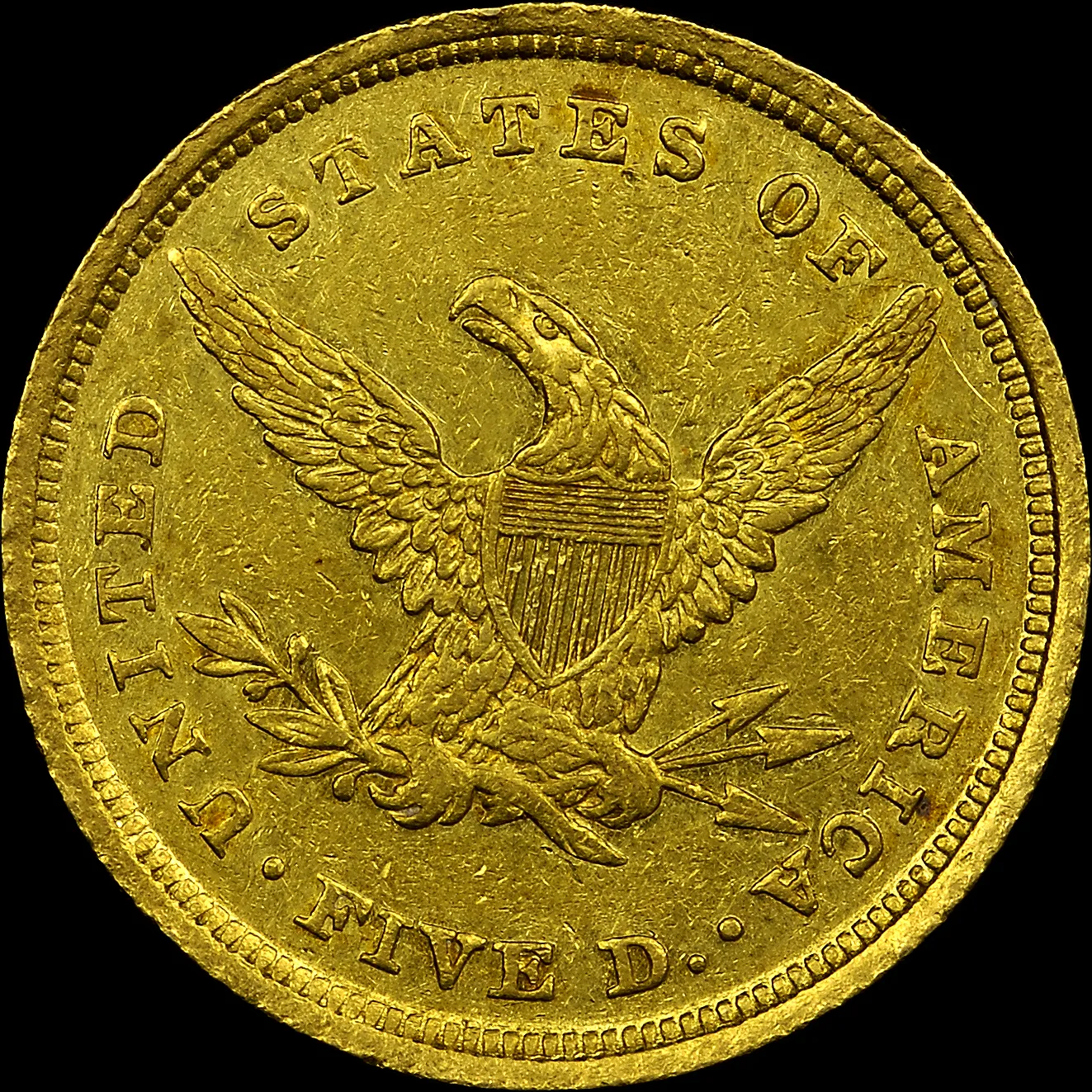
It is the most natural instinct in the hobby, and one of the most expensive mistakes. You find an old coin — grimy, dark, hidden under decades of dirt — and your first thought is to make it shine again. You reach for a cloth, some polish, maybe a little vinegar or ketchup you read about online. A few minutes later the coin gleams like new, and you feel proud. What you may not realize is that you have just erased a large part of its value, and there is no way to undo it.
Among collectors, the single most repeated piece of advice is blunt: do not clean your coins. A coin’s surface is a record of its history, and the natural film that builds up over decades — what numismatists call toning or patina — is prized, not despised. Cleaning strips that surface away, leaves microscopic scratches called hairlines, and produces an unnatural brightness that experienced buyers spot instantly. A cleaned coin is a damaged coin, and the market punishes it accordingly, often knocking 20 to 90 percent off what the same coin would fetch untouched.
This guide explains why cleaning is so damaging, how professionals recognize a cleaned coin at a glance, and — because “never touch a coin” is not quite the whole truth — the narrow situations where gentle, proper care is acceptable. It also covers the difference between harmful cleaning and legitimate professional conservation, how to store and handle coins so they never need cleaning in the first place, and what to do when you find a coin caked in dirt. Learn these principles and you will protect your collection instead of accidentally destroying it.
The Golden Rule: Don’t Clean Coins
If you remember nothing else from this guide, remember this: the default answer to “should I clean this coin?” is no. It is the first rule every seasoned collector learns, and the one beginners most often violate. The impulse to polish a coin to a bright shine comes from everyday experience — we clean silverware, we shine shoes, we scrub tarnish off jewelry — but coins operate under an entirely different logic. In numismatics, originality is everything, and a bright, freshly cleaned surface signals damage, not care.
The reason is that value in coin collecting rests heavily on a coin’s surface and its eye appeal. Two coins of the same date, mint, and technical grade can be worth wildly different amounts based purely on how original and attractive their surfaces are. Collectors will pay a substantial premium for a coin that looks exactly as it did when it left the mint or as it has naturally aged, and they will steeply discount one that shows evidence of tampering. Cleaning is tampering. It replaces an original, irreplaceable surface with an artificial one, and that trade is almost never worth making.
Why Beginners Get It Wrong
The mistake is understandable. A newcomer sees a dark, dirty coin and assumes that removing the grime will reveal a nicer, more valuable coin underneath. Sometimes the coin does look “better” to an untrained eye after cleaning — brighter, more legible. But to anyone who buys and sells coins, that same brightness screams “cleaned,” and the coin’s market value drops the moment the cloth touches it. The gap between how a cleaned coin looks to a beginner and how it looks to a dealer is exactly the gap that costs people money. Understanding why that gap exists is the key to never falling into the trap.
When in Doubt, Do Nothing
The safest action with any coin you cannot confidently identify or value is no action at all. Leave it exactly as you found it, store it safely, and get it identified and evaluated before you even consider touching the surface. Cleaning is irreversible; not cleaning is always reversible, because you can clean later if a professional advises it. There is no rush. A coin that has survived a century of history will not be harmed by waiting a few more weeks while you learn what you actually have.
Why Cleaning Destroys Value
To understand why the hobby is so united on this point, it helps to know exactly what cleaning does to a coin at the microscopic level. The damage falls into a few distinct categories, and every common cleaning method causes at least one of them.
Hairlines and Micro-Scratches
Metal is softer than most people think, especially the copper, silver, and gold that coins are made from. When you rub a coin — with a cloth, a tissue, a pencil eraser, baking soda, or any abrasive — you drag hard particles across a soft surface and carve countless tiny parallel scratches called hairlines. They may be invisible to the naked eye, but under a loupe or under the angled light a grader uses, they light up as a web of fine lines that no original coin has. Hairlines are permanent. Once they are cut into the metal, nothing can remove them, and they are one of the first things a professional looks for.
Loss of Luster
An uncirculated coin has mint luster — a specific, radiant way that light rolls across the surface, caused by microscopic flow lines created when the metal was struck under enormous pressure. This luster is delicate and cannot be restored once it is disturbed. Wiping, dipping too long, or polishing flattens and disrupts those flow lines, leaving a surface that looks dull, washed-out, or unnaturally “shiny” in the wrong way. A coin that has lost its luster looks lifeless to a collector, and no amount of subsequent care brings it back.
Unnatural Color
Cleaning frequently leaves a coin the wrong color. Harsh chemicals can strip silver to a stark, chalky white that no naturally aged silver coin displays. Acids and abrasives turn copper an odd pink, orange, or brassy hue. Over-dipping leaves silver bright but “dead,” without the subtle depth of an original surface. Experienced buyers have looked at thousands of genuine coins and thousands of cleaned ones, and the wrong color is often the very first tell, visible across a room before any magnification.
The Financial Bottom Line
All of this translates directly into money. A cleaned coin is routinely worth a fraction of an equivalent original example — commonly 20 to 50 percent less for a lightly cleaned piece, and 70 to 90 percent less for a harshly polished one. For a common, low-value coin the loss may be a few dollars. For a scarce date or a high-grade rarity, cleaning can vaporize hundreds or thousands of dollars in value in a single careless minute. And the loss is total and permanent: unlike a smudge that can be wiped away, a cleaned surface can never be un-cleaned.
Toning and Patina: Friend, Not Foe
One of the biggest conceptual leaps for a new collector is learning to see toning not as dirt to be removed but as a feature to be preserved — and sometimes prized above all else. This single shift in perspective prevents most cleaning mistakes.
What Toning Is
Toning is the natural, gradual chemical reaction between a coin’s metal and its environment over years and decades. On silver it produces a spectrum of colors — soft gold and russet, blues and purples, sometimes brilliant rainbow bands. On copper it deepens from bright orange-red toward brown and chocolate. This film, also called patina, is a thin protective layer that forms on the surface. Crucially, it is original to the coin’s life, part of its authentic history, and — on copper especially — a stable patina actually shields the metal underneath from further corrosion. Stripping it exposes fresh metal that will tone again unevenly and often unattractively.
Why Collectors Pay More for It
Attractive, natural toning is one of the most sought-after qualities in the hobby. A silver dollar with vivid, evenly distributed rainbow toning can sell for many times the price of the same coin blast-white, precisely because beautiful original toning is rare and cannot be faked convincingly. Collectors speak of a coin’s “originality” as a core virtue, and toning is originality made visible. To clean such a coin — to strip away the very quality that makes it special — is to convert a premium coin into a discounted one. This is why the phrase “don’t clean coins” is really shorthand for “don’t destroy originality.”
The Copper Warning
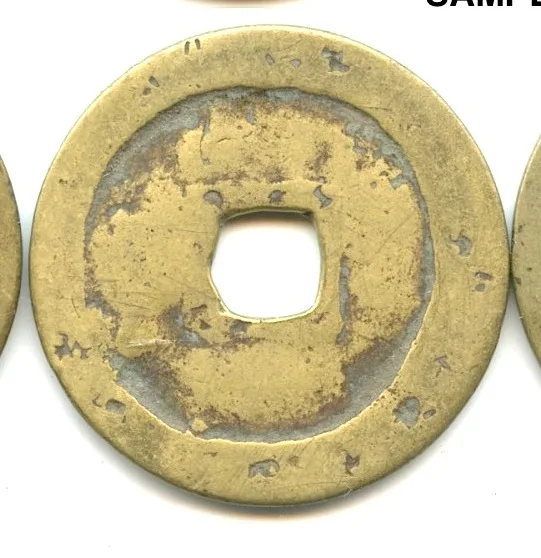
Copper deserves special emphasis because it is the most reactive and the least forgiving of the coinage metals. Once a copper coin’s natural brown patina is disturbed, it is essentially ruined in the eyes of specialists, and it will never regain an original appearance. This is why collectors of early American copper — large cents, half cents, and colonial coppers — are among the most adamant that these coins never be cleaned. A gently handled, naturally toned copper coin is a treasure; a cleaned one is scrap. If you take away one metal-specific lesson, let it be this one.
How to Spot a Cleaned Coin
Learning to recognize a cleaned coin serves two purposes: it stops you from buying damaged coins at full price, and it trains your eye to understand what “original” looks like so you never inadvertently ruin a coin yourself. Professional graders and dealers use a consistent set of tells.
Hairlines Under Angled Light
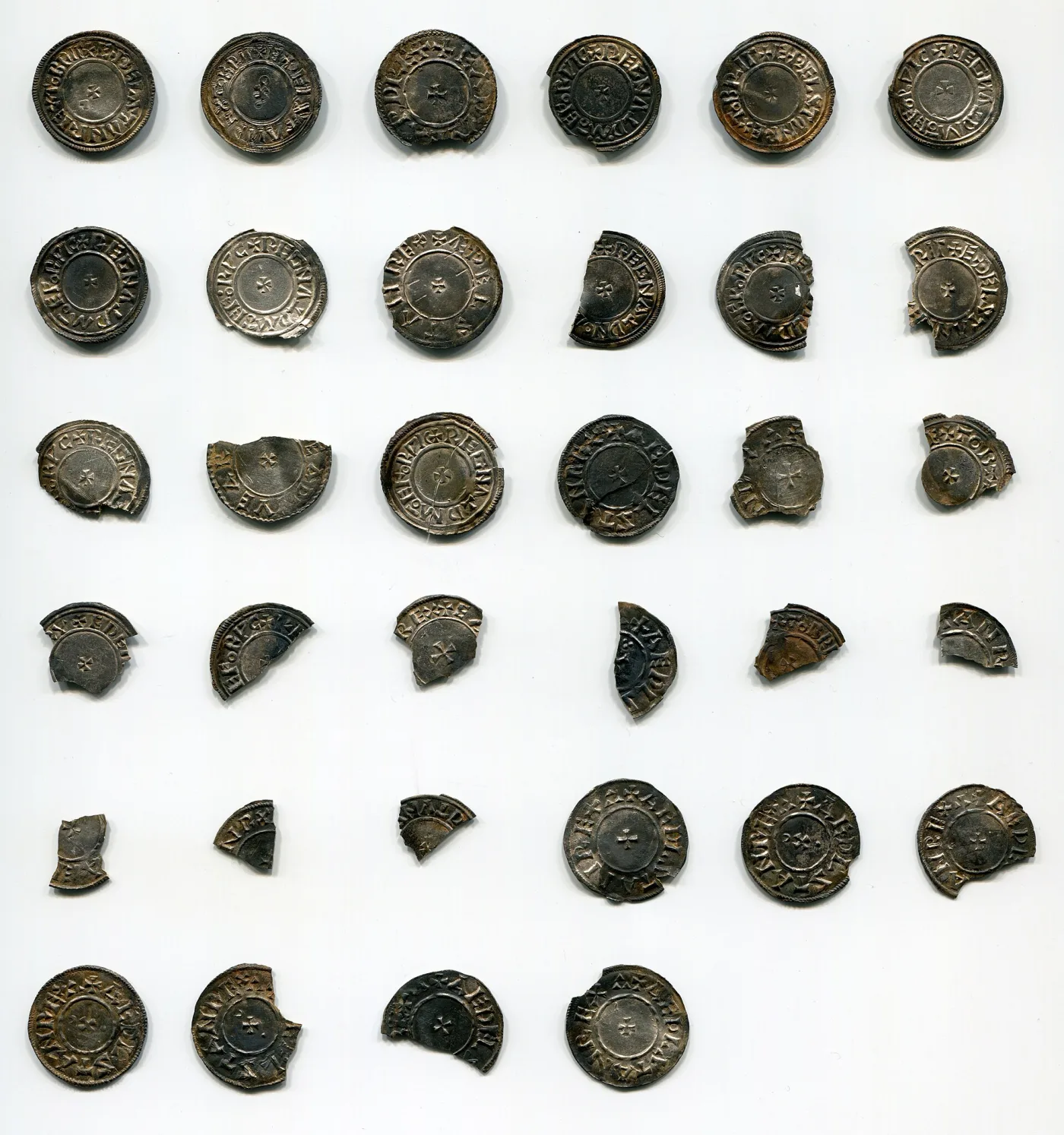
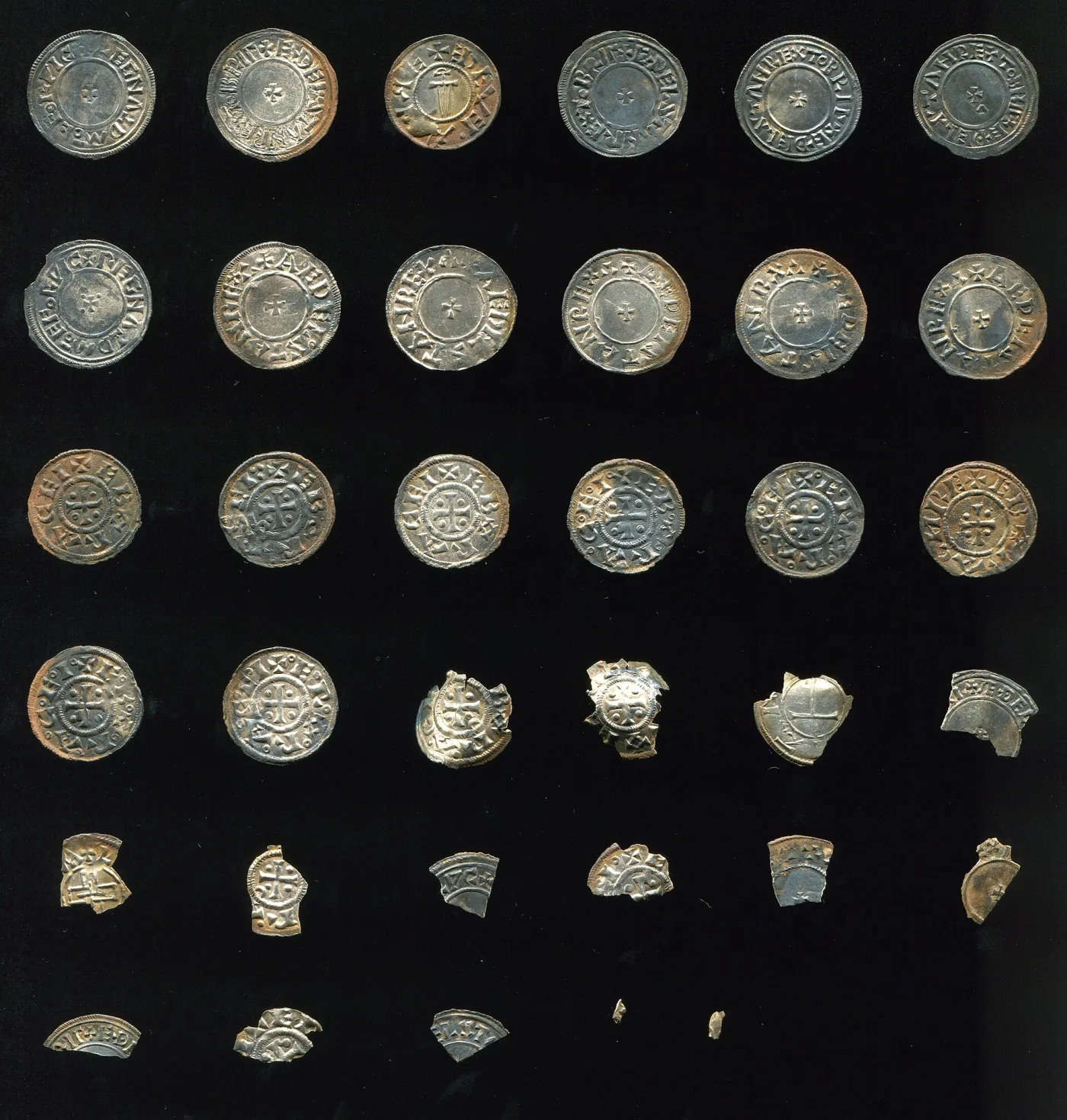
The most reliable evidence is hairlines. Tilt the coin under a single light source and rotate it slowly while looking through a loupe. On a cleaned coin, fine parallel scratches will suddenly flash into view across the fields — often in a swirl or a consistent direction that betrays the motion of a cloth or brush. Original surfaces do not have these. The presence of systematic hairlines is nearly conclusive proof that a coin has been wiped or polished.
Wrong Color and “Deadness”
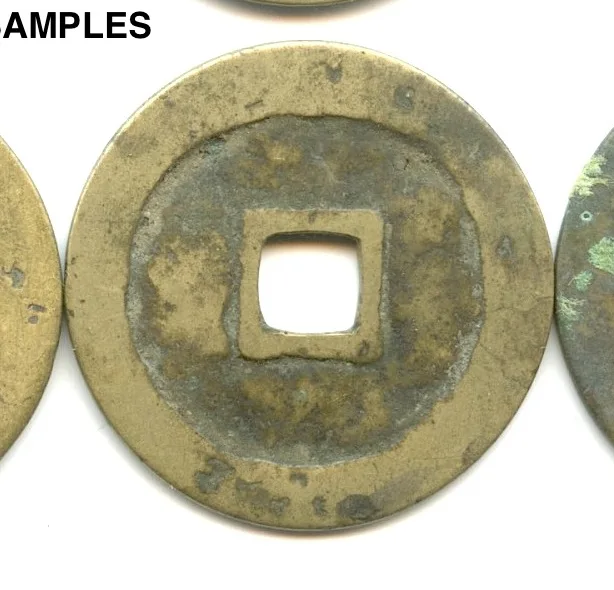
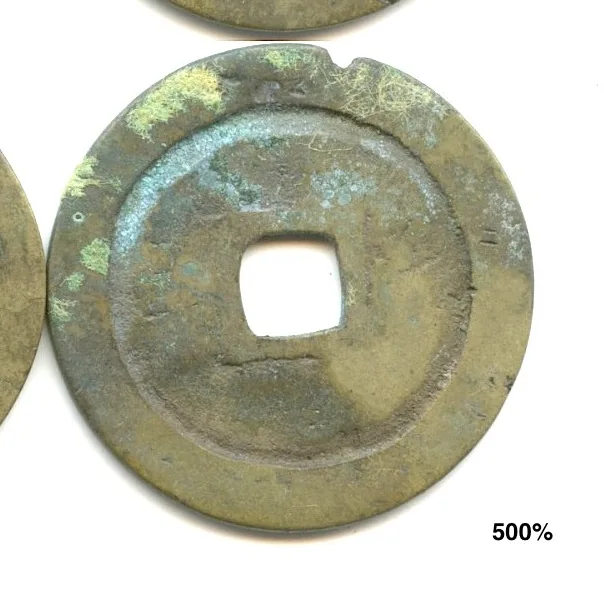
As discussed, cleaned coins frequently show an unnatural color — chalky white silver, pinkish or brassy copper, or a bright surface with no depth. Dipped coins can look “washed out” or oddly flat, lacking the living quality of mint luster. When a coin’s color looks off compared to genuine examples of the same type and era, suspect cleaning. Comparing a questionable coin against a known-original one of the same series is one of the best ways to calibrate your eye, and the same trained comparison underlies detecting counterfeit and altered coins.
Residue in the Recesses
Cleaning often leaves telltale traces in the protected areas of a coin. Look closely around the letters, in the crevices of the design, and along the rim: you may find a bright, over-cleaned field paired with dark residue or unnatural buildup trapped in the recesses where the cloth could not reach. Some chemical cleanings leave a hazy film or a chalky deposit in the low points. This mismatch — bright high points, gunky low points — is a classic sign that someone has been at the coin.
The “Details” Grade
Third-party grading services formalize this judgment. When a coin has been cleaned, harshly wiped, polished, or otherwise damaged, the grading services will not assign it a standard numerical grade. Instead they encapsulate it with a “Details” designation — for example “AU Details, Cleaned” — which permanently documents the problem on the label and signals to the market that the coin is impaired. A Details grade typically slashes a coin’s value compared to a “straight-graded” example. Our coin grading guide explains how these grades work and why a Details coin sells for so much less than a problem-free one.
Methods You Should Never Use
The internet is full of home remedies for making coins shiny, and nearly all of them are destructive. Here are the popular methods that cause the most damage — the ones you should never apply to any coin you care about.
Abrasives and Polishes
Metal polishes (the kind sold for silverware or brass), baking soda paste, toothpaste, scouring powders, pencil erasers, and abrasive cloths are among the worst offenders. Every one of them works by grinding away the surface, and every one leaves heavy hairlines and destroys luster. “Silver polish” is designed to remove tarnish from flatware by abrasion — exactly the wrong thing for a collectible coin, where the tarnish (toning) is desirable and the abrasion is catastrophic. Never use anything abrasive on a coin.
Acids and Household Chemicals
Vinegar, lemon juice, ketchup, Coca-Cola, and commercial acid dips are frequently recommended online for “cleaning pennies,” and they do strip corrosion — by chemically eating the coin’s surface. Acids leave copper an unnatural bright orange or pink and remove the protective patina, and they can etch and pit the metal. The bright shine lasts only briefly before the exposed metal begins to corrode again, usually worse than before. These methods can be fun for a worthless coin as a science experiment, but they ruin anything of value.
Rubbing, Wiping, and Buffing
Even without any cleaning agent, simply rubbing a coin dry — with a cloth, a paper towel, a tissue, or your thumb — cuts hairlines into the surface. Paper products in particular are surprisingly abrasive to soft coin metal. Never wipe a coin to “dry it off” or to remove a spot; the wiping does more damage than whatever you were trying to remove. If a coin is wet, blot or air-dry it, never rub.
Electrolysis and Aggressive Tools
Electrolytic cleaning (running current through a coin in a solution), ultrasonic cleaners, wire brushes, rotary tools, and metal picks are sometimes used to strip heavy corrosion from dug or heavily encrusted coins. These are extreme measures that leave the underlying metal etched, porous, and obviously stripped. They may be a last resort for a common relic with no numismatic value that would otherwise be unidentifiable, but they must never touch a coin that has any collectible worth.

The Narrow Exceptions
“Never clean a coin” is the right rule for beginners, but the honest, complete answer has a few narrow exceptions. Knowing them keeps you from cleaning what you shouldn’t while recognizing the rare cases where gentle intervention is defensible.
Common Coins With No Numismatic Value
If a coin is genuinely worth only its face value or its metal content — a modern circulated coin, a common bullion piece you simply want to look tidy, a pocketful of worn pennies — then cleaning does not destroy collectible value because there is little or none to destroy. If you want to spruce up a common coin for a personal display or a child’s collection, you are free to do so. The key is being certain the coin truly has no numismatic premium first, which means identifying it before you act.
Active Contaminants That Will Cause Harm
The strongest legitimate reason to intervene is when something on the coin is actively damaging it and will continue to do so if left alone. The clearest case is PVC contamination — the green, sticky residue left by certain soft plastic holders, which is a chemical that slowly corrodes the coin (covered in detail below). Here, carefully removing the harmful substance protects the coin, and doing nothing guarantees ongoing damage. Removing an active contaminant is preservation, not “cleaning” in the destructive sense — but it must be done with the right, non-abrasive method.
Loose Surface Dirt and Debris
Loose dirt, dust, or sand sitting on top of a coin — the kind that would scratch the surface if you rubbed it, or that simply obscures the coin — can sometimes be rinsed away gently without touching the metal itself. This is not “cleaning” the coin’s surface so much as removing debris that is not part of the coin. The safe method for this is described in the next section, and the operative word throughout is gentle: no rubbing, no chemicals, no abrasion.
When You Are Unsure, Ask First
Even within these exceptions, the smartest move for anything potentially valuable is to consult a professional before acting. A reputable dealer or a grading service can tell you whether a coin should be left alone, gently rinsed, or sent for professional conservation. Because cleaning is irreversible, the cost of asking is nothing and the cost of a wrong guess can be enormous.
The Only Safe “Cleaning”: A Gentle Rinse
When removing loose dirt is genuinely warranted, there is exactly one widely accepted low-risk method, and it is defined as much by what you don’t do as by what you do. Think of it as rinsing rather than cleaning.
Warm Water and Nothing Abrasive
The standard gentle approach is to hold the coin by its edges under a stream of warm (not hot) distilled water, letting the water carry away loose dirt. Distilled water is preferred because tap water contains minerals and chlorine that can spot or react with the surface. For stubborn grease, a drop of mild, additive-free dish soap in distilled water can help, followed by a thorough distilled-water rinse. At no point do you rub, scrub, or wipe. You are letting water do the work, not applying friction.
Let It Air-Dry — Never Rub
After rinsing, the drying step is where people ruin coins they just carefully rinsed. Do not wipe the coin dry. Instead, gently pat or dab it with a soft, lint-free cloth without dragging, or simply stand it on edge and let it air-dry completely. You can blot excess water, but any rubbing motion cuts hairlines. Patience here protects everything the careful rinse preserved.
The Acetone Option (For Experienced Hands)
For removing organic gunk, tape residue, or PVC contamination, experienced collectors use a pure acetone soak. Acetone is a solvent, not an abrasive or an acid: it dissolves organic material without chemically attacking the coin’s metal or its toning, which is why it is considered “safe” for the surface when used correctly. The coin is submerged in pure acetone (100 percent, with no additives — never nail-polish remover, which contains oils and dyes) in a glass container, then rinsed and air-dried. Acetone is flammable and its fumes require good ventilation, and it will damage soft plastics, so it demands care. Used properly, it removes harmful surface contaminants without cutting hairlines — but it is a step best learned thoroughly before attempting on anything valuable.
Handle by the Edges, Always
Throughout any rinse, hold the coin only by its edges between thumb and forefinger, never touching the faces. The oils and acids on your fingertips can etch a permanent fingerprint into a coin’s surface over time, and on a proof coin or uncirculated coin a single touch can leave a mark that lowers the grade. Edge-handling is a habit worth building for every coin you own, cleaning or not.
Cleaning vs. Professional Conservation
There is an important distinction between the destructive home “cleaning” this guide warns against and legitimate professional conservation, which is a recognized and accepted practice in the hobby. Confusing the two leads people either to ruin coins themselves or to needlessly fear all intervention.
What Conservation Is
Professional conservation is the careful, expert removal of harmful substances — PVC residue, environmental grime, corrosive contaminants — using controlled methods and solutions, performed by specialists whose goal is to stabilize and preserve a coin without altering its originality. Major grading companies offer conservation services precisely because there is a right way to remove damaging contaminants that a home cleaner cannot replicate. Done properly, conservation can halt ongoing corrosion and even improve a coin’s eye appeal without the market penalizing it as “cleaned,” because no abrasion or surface stripping is involved.
Why It’s Different From Cleaning
The distinction comes down to intent and method. Harmful cleaning uses abrasion or aggressive chemistry to make a coin artificially bright, cutting hairlines and stripping the original surface. Conservation uses non-abrasive, surface-safe techniques to remove foreign matter while leaving the coin’s own metal and patina intact. The grading services that would slap a “Cleaned” Details label on a wiped coin will straight-grade a properly conserved one, because conservation does not damage the surface — it protects it. This is the professional embodiment of the same principle behind the acetone soak: dissolve the bad stuff, touch the metal as little as possible.
When to Use It
Professional conservation makes sense for valuable coins with a genuine problem — active PVC damage, a distracting contaminant, or environmental buildup on a coin worth enough to justify the fee. For such coins, sending them to a reputable conservation service is far wiser than attempting a home fix. For common coins, the cost is not worth it, and the gentle rinse or acetone methods above are sufficient. The rule of thumb mirrors grading and authentication: the more a coin is worth, the more it makes sense to let professionals handle any intervention.
Handling Coins the Right Way
The best way to avoid ever needing to clean a coin is to handle it so carefully that it never gets dirty or damaged in the first place. Good handling habits are the foundation of good preservation, and they cost nothing but attention.
Edges Only, Over a Soft Surface
Always pick up and hold a coin by its edge, letting it rest between thumb and forefinger, and never touch the obverse or reverse faces with bare skin. When examining coins, work over a soft, padded surface — a velvet pad or a clean, soft cloth on the table — so that if a coin slips, it lands on padding rather than a hard tabletop that would dent or scratch it. A dropped coin can acquire a rim ding or a contact mark that permanently lowers its grade.
Gloves and Clean Hands
For valuable, high-grade, or proof coins, many collectors wear soft cotton or nitrile gloves to eliminate any risk of finger oils reaching the surface. If you handle coins bare-handed, wash and thoroughly dry your hands first to minimize oils and dirt. The goal is to keep skin contact off the fields entirely, because fingerprints on a coin can etch in over time and become impossible to remove without damaging the surface.
Don’t Talk Over Your Coins
It sounds fussy, but tiny droplets of saliva expelled while talking or sneezing over a coin can land on the surface and, over time, etch small spots — especially on proof and mint-state coins. Experienced collectors keep their mouths turned away from coins they are examining. It is a small habit that prevents a frustrating and permanent kind of spotting that people often mistake for a manufacturing flaw.
Storage: Holders, Folders, and Flips
How you store coins determines whether they stay pristine or slowly degrade. The right holders protect coins from physical damage and from the air; the wrong ones can actively harm them. Choosing good storage is the single most important preservation decision after handling.
Safe Holder Materials
The key rule is to use archival, inert, acid-free and PVC-free materials. Good options include Mylar (inert polyester) flips, cardboard “2x2” holders with Mylar windows, hard plastic snap-together capsules and slabs, and albums made with inert pages. These materials do not off-gas harmful chemicals and will not react with the metal. For long-term storage of anything valuable, inert hard holders or professional slabs offer the best protection from both handling and the environment.
The Holders to Avoid
The most important thing to avoid is soft PVC (polyvinyl chloride) plastic — the pliable, sometimes sticky vinyl used in cheap flips and pages. Over time PVC breaks down and releases chemicals that leave a green, gooey residue on the coin and slowly corrode it (detailed in the next section). If a plastic flip is soft, flexible, and smells strongly of plastic, treat it as suspect and move your coins to inert holders. Also avoid ordinary paper envelopes with high sulfur content, adhesive tapes, and any material not explicitly sold as archival, since these can tone or spot coins unpredictably.
Beginner Folders and Albums
The classic cardboard coin folders and albums that many collectors start with — the blue folders for filling holes by date and mint — are fine for circulated, common coins and are a great way to organize a beginner collection. Just be aware that the cardboard can, over long periods, tone the coins, and that pushing coins into tight slots can scuff them. For valuable coins, step up to inert individual holders. Match the holder to the coin’s value: casual for common coins, archival and protective for the keepers.
Controlling the Environment
Even in good holders, coins react to the air and moisture around them. Managing the storage environment slows toning and prevents the corrosion and spotting that lead people to reach for cleaners in the first place.
Keep Humidity Low
Moisture is the enemy. High humidity accelerates toning, promotes corrosion, and encourages ugly spotting, especially on copper and silver. Store coins in a cool, dry place with stable, low humidity. Many collectors keep silica gel desiccant packs in their storage boxes or safes to absorb moisture, refreshing or replacing them periodically. Avoid basements, attics, and any location prone to dampness or big temperature swings, which drive condensation.
Stable Temperature, Out of the Air
Aim for a stable, moderate temperature rather than a spot that heats and cools dramatically, since temperature swings cause condensation inside holders. Keeping coins sealed in inert holders limits their exposure to airborne pollutants — sulfur compounds, household chemicals, cooking fumes — that cause toning and spotting. The less contact a coin has with fresh, changing air, the more slowly it changes.
Avoid Sulfur and Chemical Sources
Sulfur is a major cause of toning and tarnish, so keep coins away from sulfur-bearing materials: certain papers and cardboards, rubber bands, felt and wool, and many adhesives. Also keep them away from areas with chemical fumes — near cleaning supplies, fresh paint, or a garage. A coin stored thoughtfully in inert holders, in a cool dry place, away from chemical sources, can remain essentially unchanged for decades, never giving you a reason to consider cleaning it.
The PVC Problem and Green Slime
Of all the ways coins get damaged in storage, PVC contamination is the most common and the most misunderstood, so it deserves its own section. It is also one of the few cases where doing nothing is the wrong choice.
What PVC Damage Looks Like
Coins stored in soft PVC plastic flips or pages can develop a green, hazy, or sticky film on their surfaces — often described as green slime. This residue is the plasticizer leaching out of the vinyl and reacting with the coin. Left unchecked, it does not just sit there; it chemically attacks the metal, etching and corroding the surface permanently. A coin with advanced PVC damage can be pitted and scarred beneath the goo. Recognizing that greenish, gummy film early is important because the damage is progressive.
Why You Must Act
Unlike toning, which is stable and often desirable, PVC residue is an active corrosive agent, so leaving it on the coin guarantees worsening harm. This is the clearest example of a case where intervention is not only acceptable but necessary. The goal is to remove the harmful plasticizer before it eats further into the coin.
How It’s Safely Removed
The accepted method is a soak in pure acetone, which dissolves the PVC residue without harming the coin’s metal or original toning, as described in the safe-rinse section above. The coin is submerged in 100 percent acetone in a glass dish, gently agitated, then rinsed and air-dried — never rubbed. For valuable coins, professional conservation is the safest route. After removing the residue, the crucial follow-up is to re-house the coin in inert, PVC-free holders so the problem never recurs. Removing PVC and then returning the coin to the same bad flip would simply restart the damage.
What to Do With a Dirty Found Coin
Metal detectorists, estate-sale buyers, and anyone who inherits an old jar of coins face the same tempting scenario: a genuinely dirty, encrusted, or grimy coin that begs to be cleaned. Here is how to handle that moment without regret.
Identify Before You Touch
The first step is always identification, not cleaning. You need to know what the coin is — its type, date, mint, and rough value — before you can make an informed decision about touching it, because the right care for a common modern coin is completely different from the right care for a scarce early date. Even under dirt, enough of the design is usually visible to identify a coin, and identifying it first prevents the tragedy of cleaning a valuable rarity you didn’t recognize. When a coin is caked to the point of being unidentifiable, that is exactly when a gentle distilled-water soak to loosen loose dirt (never scrubbing) is most defensible — but knowing what you have should still guide every step.
Dug and Detected Coins Are a Special Case
Coins recovered from the ground are their own category. Heavily corroded dug coins often have no numismatic value in the collector sense — their surfaces are already compromised by decades in the soil — so gentle cleaning to make them identifiable and displayable is widely accepted among detectorists, just as it is for uncleaned ancient Roman coins sold by the lot. Even so, the guidance is to start with the least aggressive method (a distilled-water soak, gentle debris removal, an acetone soak for organic gunk) and escalate only for coins with no collectible worth. A rare or valuable dug coin should go to a professional, not a home cleaning kit.
Old Silver and the Junk-Drawer Jar
For the common scenario of inherited circulated silver and copper — worn Washington quarters, Roosevelt dimes, wheat cents, common Morgan or Peace dollars — the coins are usually worth their silver content or a modest collector premium, and the standard advice still applies: don’t clean them, because even common older coins sell better original, and a cleaned Morgan silver dollar is worth noticeably less than an untouched one. Sort them, identify the dates and mint marks, watch for key dates and better coins hiding in the group, store them properly, and resist the urge to make them shine. If you discover something scarce, its originality will be worth far more than any shine you could add.
Build the Preservation Habit
Ultimately, coin care is a mindset. Handle by the edges, store in inert holders, control humidity, keep coins away from chemicals and sulfur, and — above all — leave original surfaces alone. Identify a coin and understand its value before you consider touching it, so you never trade away a premium for a shine. Collectors who internalize these habits keep their coins in the condition that holds and grows value, while those who reach for the polish learn the hard way that in numismatics, original almost always beats bright.
Frequently Asked Questions
Should I ever clean my coins?
As a default, no. For any coin with potential collector value, cleaning almost always lowers its worth by stripping the original surface, cutting hairlines, and destroying luster — damage that is permanent and easily spotted by buyers. The rare exceptions are common coins with no numismatic premium (where there's little value to lose) and coins with an actively harmful contaminant like PVC residue that must be removed to stop ongoing corrosion. When in doubt, leave the coin alone and get it evaluated first, because not cleaning is always reversible while cleaning never is.
How much value does cleaning a coin actually destroy?
It varies with the coin and the severity, but the loss is often dramatic. A lightly cleaned coin commonly loses 20 to 50 percent of its value versus an original example, and a harshly polished one can lose 70 to 90 percent. Third-party grading services flag cleaned coins with a "Details" grade instead of a standard numeric grade, which sharply reduces market value. For a common coin the dollar loss is small, but for a scarce date or high-grade piece, cleaning can erase hundreds or thousands of dollars in a single minute.
Why do collectors like dark, toned coins instead of shiny ones?
Because toning (patina) is natural, original to the coin's history, and — on copper especially — a protective layer that shields the metal. Attractive, evenly toned coins are prized and can sell for large premiums, particularly silver with vivid rainbow color. A bright, freshly cleaned surface, by contrast, signals damage: stripped originality, hairlines, and lost luster. In numismatics, originality and eye appeal drive value, and natural toning is originality made visible, so collectors generally prefer an attractively toned coin over a cleaned bright one.
Is it safe to clean a coin with vinegar, ketchup, or baking soda?
No. These are among the most damaging home remedies. Vinegar, lemon juice, and ketchup are acids that chemically eat the coin's surface, strip its patina, and leave copper an unnatural bright orange that quickly corrodes again. Baking soda and toothpaste are abrasives that grind away the surface and cut heavy hairlines. They can be harmless fun on a worthless coin as an experiment, but they ruin anything with collector value. Never use acids or abrasives on a coin you care about.
What is the safest way to remove dirt from a coin?
The only widely accepted low-risk method is a gentle rinse: hold the coin by its edges under warm distilled water to float away loose dirt, using at most a drop of mild additive-free soap for grease, then air-dry it or pat gently with a lint-free cloth — never rub or wipe. For organic gunk or PVC residue, experienced collectors use a soak in pure 100 percent acetone, which dissolves contaminants without harming the metal or toning. Rubbing, chemicals, and abrasives are never safe, and anything valuable is best left to professional conservation.
What is the difference between cleaning and professional conservation?
Harmful cleaning uses abrasion or harsh chemicals to make a coin artificially bright, cutting hairlines and stripping the original surface — which the market penalizes. Professional conservation, offered by major grading services, uses controlled, non-abrasive, surface-safe methods to remove harmful contaminants (like PVC) while preserving the coin's own metal and patina. Because conservation does not damage the surface, properly conserved coins can still receive a normal grade, whereas cleaned coins get a "Details" label. Conservation is worth it for valuable coins with a genuine problem; common coins don't justify the cost.
How should I store coins so they don't need cleaning?
Use archival, inert, PVC-free holders — Mylar flips, cardboard 2x2s with Mylar windows, hard capsules, or slabs — and avoid soft PVC plastic, sulfur-rich paper, tape, and rubber bands. Keep coins in a cool, dry place with low, stable humidity (silica gel packs help), away from chemical fumes and sulfur sources. Handle coins only by the edges over a soft surface, ideally with clean hands or gloves. Coins stored and handled this way stay original for decades and never give you a reason to reach for a cleaner.
My coin has green sticky residue — what should I do?
That green, gummy film is almost certainly PVC contamination from a soft vinyl holder, and it is actively corroding the coin, so you should act. The residue is safely removed with a soak in pure 100 percent acetone (in a glass dish, no rubbing), or, for valuable coins, by professional conservation. After removing it, re-house the coin in inert, PVC-free holders so the problem doesn't return. This is one of the few situations where leaving a coin untouched is the wrong choice, because the damage is progressive.
Can the Coin Identifier app help me decide whether to clean a coin?
Yes, by handling the critical first step: identifying exactly what your coin is — its type, date, and mint — so you understand whether it has collector value worth preserving before you touch it. Knowing what you have is what separates "a common coin I can tidy up" from "a scarce coin I must never clean." Snap a photo to identify the coin and gauge its value, and when a piece turns out to be valuable or you find active contamination, leave the surface alone and consult a professional conservation service rather than risking irreversible damage.