Doubled Die Coins Identification Guide: Hub Doubling vs Machine Doubling, DDO & DDR, the 1955, 1969-S, 1972, and 1995 Cents, Attribution, and Values
A doubled die is the most famous, most valuable, and most misunderstood variety in all of coin collecting. When a working die is engraved with the coin’s design more than once at slightly different angles or positions, every coin it strikes carries a permanent, doubled image — a second set of letters, a shadow date, a twinned profile. Because the doubling lives in the die itself, it is reproduced identically on every coin from that die, which is what turns a manufacturing accident into a collectible variety that can be worth anywhere from a few dollars to six figures.
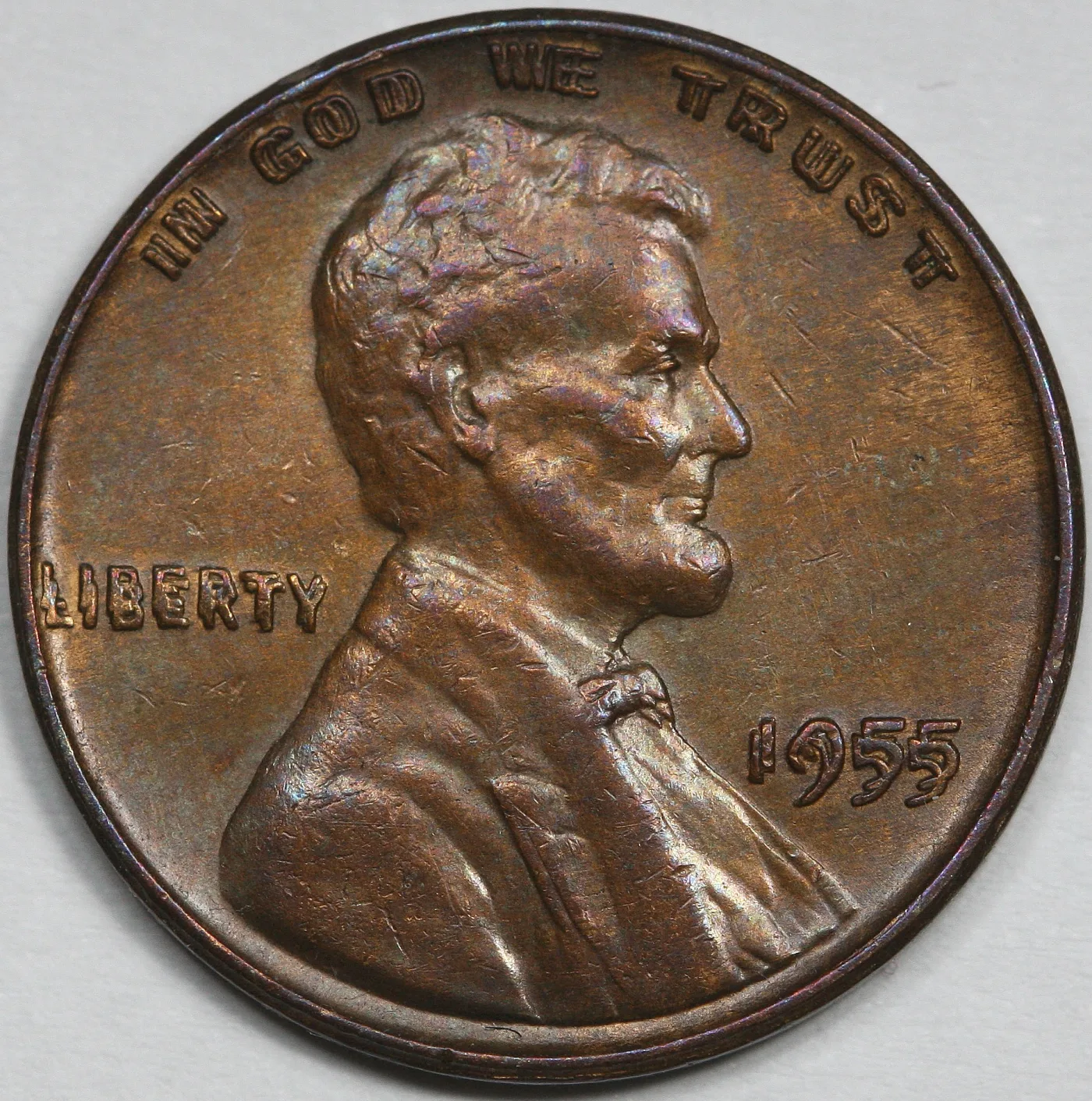
The 1955 Doubled Die Lincoln cent, with its boldly twinned “LIBERTY” and date visible to the naked eye, is arguably the single most recognizable error coin in America — the coin that launched a million searches through pocket change and coffee cans. But the doubled die family is far larger than that one celebrity: the ultra-rare 1969-S cent worth tens of thousands, the dramatic 1972 cent, the 1995 doubled die that turned up by the thousands in circulation, the 1983 doubled die reverse, the charming 1984 “doubled ear,” and hundreds of listed varieties across nearly every U.S. series. Learning to recognize them — and to tell a real doubled die from the worthless “machine doubling” that fools beginners every single day — is one of the most rewarding skills in numismatics.
This guide is the complete 2026 reference to doubled die coins. It explains exactly how doubled dies are created inside the minting process, defines the difference between a doubled die obverse (DDO) and reverse (DDR), walks through the classic classes of hub doubling, teaches the decisive diagnostics that separate genuine hub doubling from machine doubling and die deterioration, catalogs the famous doubled dies every collector should know by date, and lays out how these coins are attributed, graded, authenticated, and valued. If you have ever looked at a coin and wondered whether the “doubling” you see is worth $5 or $50,000, this is the article that answers the question.
What a Doubled Die Actually Is
A doubled die is a working die that carries a doubled image of some or all of the coin’s design, created during the making of the die — not during the striking of the coin. The distinction is everything. Because the flaw is engraved into the die, every single coin struck from that die shows the identical doubling in the identical place. That reproducibility is what makes a doubled die a variety (a repeatable, collectible difference built into the die) rather than a one-off error unique to a single coin.
People often say “double die,” but the correct term is “doubled die” — the die has been doubled. On the coin, the doubling appears as a second, offset image of design elements: two overlapping dates, a twinned set of letters in “LIBERTY” or “IN GOD WE TRUST,” doubled eyelids or ears on a portrait, or a doubled outline on a building or eagle. In the strongest examples the two images are widely separated and instantly obvious; in the subtlest, the doubling is a slight thickening or a set of “split serifs” visible only under magnification.
Variety, Not a One-Off Error
Because doubled dies are die varieties, collectors chase specific, catalogued examples by date and attribution number rather than hoping to stumble on a unique accident. A single doubled working die might strike anywhere from a few thousand to over a million coins before it is retired, which is why some doubled dies (like the 1972 and 1995 cents) exist in large enough numbers to be genuinely findable, while others (like the 1969-S) come from a die caught and destroyed early, leaving only a handful. Doubled dies live in the same broad neighborhood as other die varieties — repunched mint marks, overdates, and die cracks — all of which are covered in the general error coins identification guide, but the doubled die is important and intricate enough to deserve its own full treatment here.
Why It Matters So Much
Doubled dies matter because the value gap is enormous and the identification is genuinely tricky. A famous doubled die can be worth thousands of times its face value, while a look-alike from machine doubling is worth nothing extra at all — and the two can appear on the same date, the same denomination, even the same design element. No other area of collecting punishes sloppy identification, or rewards careful identification, quite as sharply.
How Doubled Dies Are Created
To understand doubled dies you have to understand how coinage dies are made, because the doubling happens during die manufacture, one step before any coin is struck. The process is a chain of impressions, and a doubled die is the fingerprint of a misstep in that chain.
The Hubbing Chain
A coin’s design begins as a large sculpted model, which is reduced by a transfer engraver onto a steel master hub that carries the design in relief (raised), exactly as it appears on the coin. The master hub is pressed into steel to create master dies (incuse, or sunken), which in turn create working hubs (relief again), which finally impress the design into the working dies (incuse) that actually strike coins. Every “generation” is created by squeezing one piece of hardened steel into another under tremendous pressure — a process called hubbing.
The Multiple-Squeeze Problem
For most of the 20th century, transferring a full design into a die took more than one squeeze from the hub. The die blank was pressed against the hub, removed and annealed (softened by heating) because the steel work-hardened, and then pressed again — sometimes several times — to fully impress the design. If the die and hub were not returned to the exact same alignment between squeezes, the second impression landed at a slightly different angle or position than the first. The result: two overlapping images engraved into the die, offset by the amount of the misalignment. That is a classic multiple-squeeze doubled die, and it is how the 1955, 1969-S, and 1972 cents were born.
Hub Doubling Is Reproduced Perfectly
Here is the crucial consequence: once that doubled image is engraved into the working die, it is a permanent feature of the die’s face. Every coin the die strikes receives the doubled image, rendered as fully formed, raised, rounded metal — because the die’s recesses (which the coin metal flows into) are themselves doubled. This is why genuine hub doubling looks like two complete, three-dimensional images, and it is the single most important fact for telling it apart from the flat, shaved look of machine doubling discussed later.
DDO vs DDR: Obverse and Reverse Doubling
Collectors abbreviate doubled dies by which face of the coin is affected, because the obverse and reverse are hubbed separately with separate dies. A single coin can, in rare cases, have both.
Doubled Die Obverse (DDO)
A DDO shows doubling on the front (heads) side — the date, the inscriptions “LIBERTY” and “IN GOD WE TRUST,” and the portrait. The most famous doubled dies are DDOs: the 1955, 1969-S, and 1972 Lincoln cents all show dramatic doubling on the obverse lettering and date. Because the obverse carries the date and the mottoes, obverse doubling is usually the most eye-catching and the most sought after.
Doubled Die Reverse (DDR)
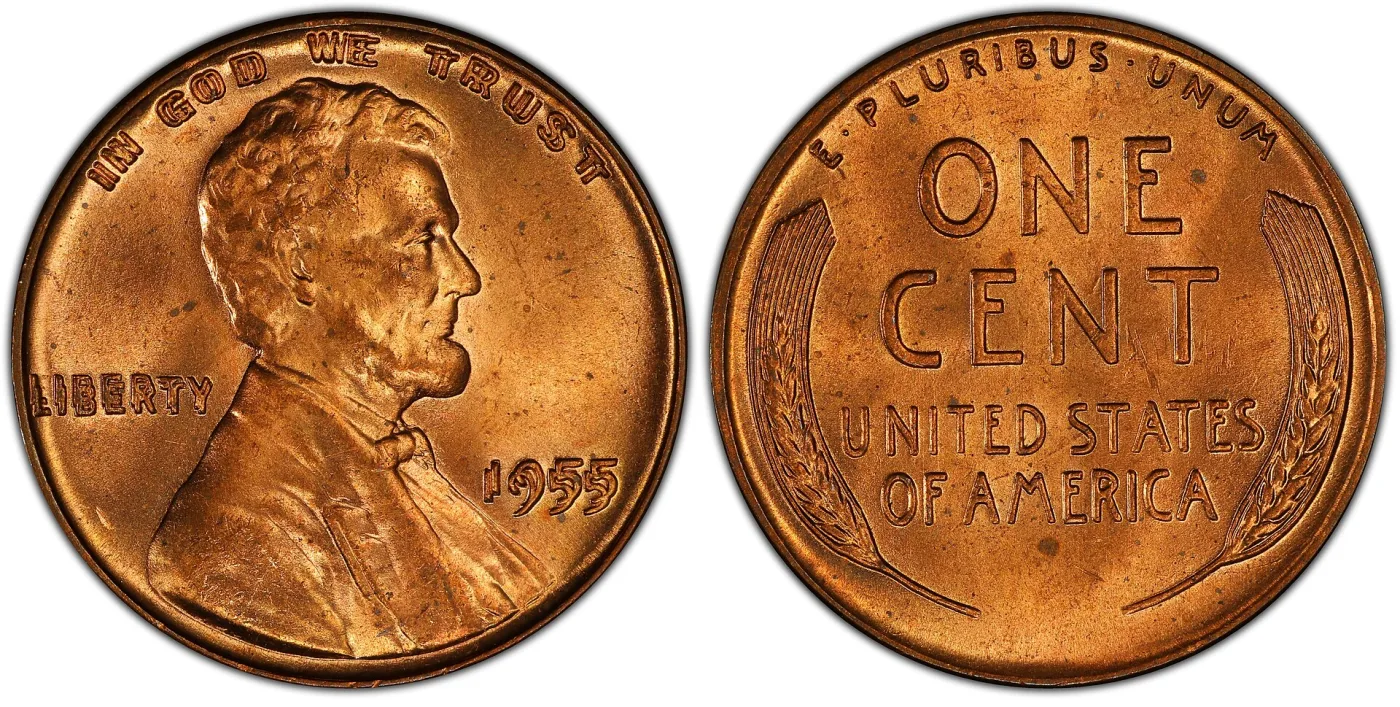
A DDR shows doubling on the back (tails) side — on the Lincoln cent that means the Memorial building, the Lincoln Shield, or the wheat ears and the words “ONE CENT,” “E PLURIBUS UNUM,” and “UNITED STATES OF AMERICA.” The 1983 Lincoln cent doubled die reverse and the 1998, 2009 doubled dies are notable DDRs. Reverse doubling is often subtler to the untrained eye but every bit as collectible when it is a listed variety.
How to State an Attribution
A full attribution combines the date, mint mark, the face (DDO/DDR), and often a listing number: “1972 DDO FS-101,” for example, or “1955 Doubled Die Obverse.” When you describe a coin, always specify which side shows the doubling and, ideally, which specific listed variety it matches, because many dates have several different doubled dies of very different value.
The Classes of Hub Doubling
Variety specialists classify hub doubling into eight recognized classes based on how the misalignment happened between hub impressions. You do not need to memorize all eight to enjoy the hobby, but knowing the main classes helps you understand why different doubled dies look so different from one another.
Class I: Rotated Hub Doubling
The die and hub were slightly rotated relative to each other between squeezes, so the second image is pivoted around a central point. Doubling is strongest at the periphery (the rim lettering and date) and weakest toward the center. The 1955 and 1972 cents are classic Class I (rotated) doubled dies, which is why their “LIBERTY,” date, and mottoes show such strong, spread doubling.
Class II: Distorted Hub Doubling
Class II (distorted) doubling results from a size or “distension” difference between impressions, producing doubling that pushes outward toward the rim, often seen as doubling on the outermost design elements.
Class III: Design Hub Doubling
Class III (design) doubling occurs when a die is hubbed with two different hubs bearing slightly different designs — for instance, a design change between the two squeezes. This produces doubling of specific, differing design elements.
Classes IV–VIII
The remaining classes cover offset doubling (Class IV), pivoted doubling (Class V), distended doubling (Class VI), modified hub doubling (Class VII), and tilted hub doubling (Class VIII). Each describes a specific geometry of misalignment. For the collector, the practical point is this: the class explains the pattern of doubling you see (spread toward the rim, offset in one direction, twisted around a point), and matching that pattern to a known variety is part of attribution.
The Single-Squeeze Era and Modern Doubled Dies
A major shift happened around the late 1990s that changed the nature of doubled dies, and understanding it explains why modern doubled dies look different from the classic ones.
The Move to Single-Squeeze Hubbing
Beginning in the late 1990s, the U.S. Mint adopted single-squeeze hubbing (also called single-press hubbing), in which computer-controlled equipment transfers the full design into a die in one press rather than several. In theory, a single squeeze cannot produce the classic multiple-impression doubled die, because there is no second impression to misalign. Many collectors assumed doubled dies would simply end after this change.
Why Modern Doubled Dies Still Happen
They did not end. In the single-squeeze process, the die and hub make initial light contact before the full press, and any slight rotation or wobble during that first touch — as the die “settles” against the hub — can imprint a small, tight doubling near the center of the design before the full squeeze completes. The result is a modern doubled die whose doubling is usually subtle, tightly spread, and concentrated near the center (around the date and central devices), rather than the bold, rim-spread doubling of the classic rotated-hub varieties. The doubled dies of the 2000s and beyond — including many state quarter and cent varieties — are typically of this modern, centrally focused type.
What This Means for Identification
The takeaway: do not expect modern doubled dies to look like the 1955 cent. A genuine modern doubled die may show only a slight but true separation on the date or a central letter, and distinguishing it from machine doubling requires even more care. The good news is that the same diagnostics apply — genuine hub doubling, however subtle, still shows raised, rounded, fully formed doubling, while machine doubling remains flat and shelf-like.
Diagnostics: How to Recognize a True Doubled Die
Here are the physical signs that identify genuine hub doubling. Learn these, and you will correctly identify the overwhelming majority of coins you examine.
Raised, Rounded, Fully Formed Doubling
The defining characteristic of a true doubled die is that the doubled image is raised and rounded, with full height and dimension, exactly like the primary image. You are looking at two complete, three-dimensional impressions of a design element — two full sets of letters, two complete numerals — each with its own crisp edges. The secondary image is not a smear or a ledge; it is a second, real, raised image.
Notching at the Corners of Letters
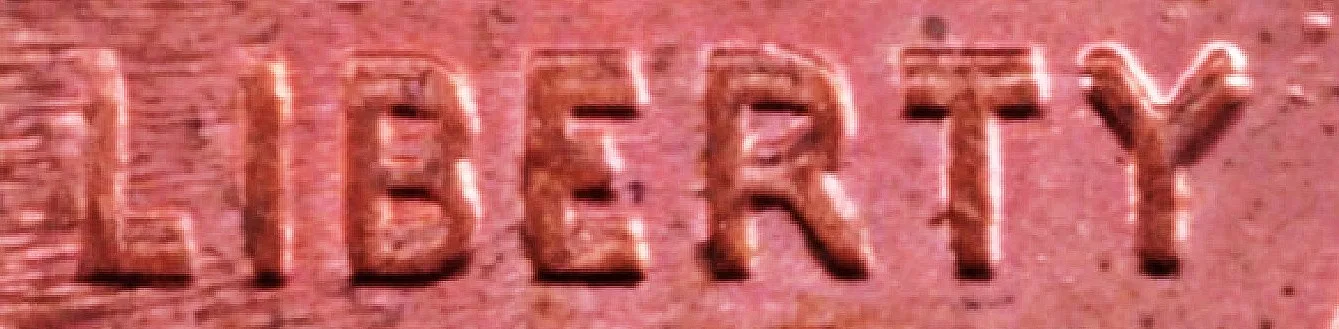
Notching is one of the most reliable diagnostics. At the inside corners of letters and numerals, genuine hub doubling produces small, clean notches — little square steps where the two impressions meet at the serifs. Notched corners on the letters of “LIBERTY” or the corners of the date are a strong sign of a real doubled die.
Split Serifs and Separation Lines
Split serifs — where the little “feet” at the ends of letters appear doubled or split into two — are another hallmark, especially on subtler doubled dies. On stronger examples you will see clear separation lines with the space between the two images, and even doubling of the fine details like the serifs, motto letters, and the digits of the date.
Doubling of Design, Not Just Lettering
On dramatic doubled dies, the doubling extends into the portrait or the reverse design: doubled eyelids, a doubled ear or earlobe (the 1984 “doubled ear” cent is named for exactly this), doubled columns on a building, or a doubled outline on an eagle or shield. Because the whole die is doubled, the doubling appears consistently across the affected area, all shifted in the same direction by the same amount.
Consistency Across Every Coin From That Die
Finally, remember that a doubled die is reproducible: every genuine example of a given variety shows the same doubling in the same place, shifted the same direction. This is why comparing your coin to published photos of a known variety is the gold standard — if your coin’s doubling matches the documented variety element-for-element, you have it; if the “doubling” is in a different place or direction, you do not.

The Big One: Doubled Die vs Machine Doubling
This is the section that matters most, because no confusion in numismatics costs beginners more money and heartbreak than mistaking worthless machine doubling for a valuable doubled die. If you learn only one thing from this guide, learn this distinction cold.
What Machine Doubling Is
Machine doubling — also called strike doubling, shelf doubling, mechanical doubling, or ejection doubling — happens at the moment of striking, not during die manufacture. As the die lifts off the freshly struck coin, a loose or vibrating die can bounce or shift a hair, and the die’s edge shaves and flattens the freshly struck design elements. The result is a doubled appearance, but it is created by the die scraping metal sideways after the strike, not by a doubled image in the die. Machine doubling is extremely common, appears on countless ordinary coins, and adds no value whatsoever.
The Decisive Difference
The two are told apart by the shape of the secondary image:
- True doubled die (hub doubling): The secondary image is raised, rounded, and the same height as the primary image — a complete second impression with its own crisp edges, notched corners, and split serifs. It has real dimension. It looks like two full images.
- Machine doubling: The secondary image is flat, low, shelf-like, and shaved — a thin ledge sitting lower than the primary element, looking like the design was scraped or smeared sideways. It has no rounded second image, no notching, no split serifs — just a flattened shelf beside the normal letter.
Put the simplest way: hub doubling has height; machine doubling has a shelf. A true doubled die shows two rounded, raised images; machine doubling shows a flat, shaved ledge. If the “second image” looks like a lower, flattened smear rather than a fully formed raised duplicate, it is machine doubling.
Why the Famous Ones Are Obvious
Reassuringly, the famous, valuable doubled dies are dramatic — the 1955, 1969-S, and 1972 cents show doubling bold enough to see with the naked eye or a simple magnifier. As a rule of thumb: if you need a microscope and a lot of squinting to convince yourself there is “some doubling,” it is almost certainly machine doubling or die deterioration, not a valuable doubled die. Genuine, valuable hub doubling announces itself.
The Practical Test
When you suspect a doubled die, ask three questions. First, is the secondary image raised and rounded (doubled die) or flat and shelf-like (machine doubling)? Second, are there notches and split serifs (doubled die) or just a smeared ledge (machine doubling)? Third, does the doubling match a documented variety for that date in a reference like the Cherrypickers’ Guide? If all three point to hub doubling, you may have something real. If any points to machine doubling, set your expectations accordingly.
Other Look-Alikes: Die Deterioration and Abrasion Doubling
Machine doubling is the biggest impostor, but it is not the only one. A few other phenomena mimic doubling and fool the unwary.
Die Deterioration Doubling
Die deterioration doubling (DDD) appears late in a die’s life as the die wears out. Metal flow and erosion on a heavily used die create a flat, mushy “doubling” around letters and devices, often looking like a shelf or a smeared halo. It is common on late-die-state coins, especially cents, and it has no value. Unlike hub doubling, DDD is flat, irregular, and tends to look tired and worn rather than crisp and duplicated.
Abrasion (Ejection) Doubling
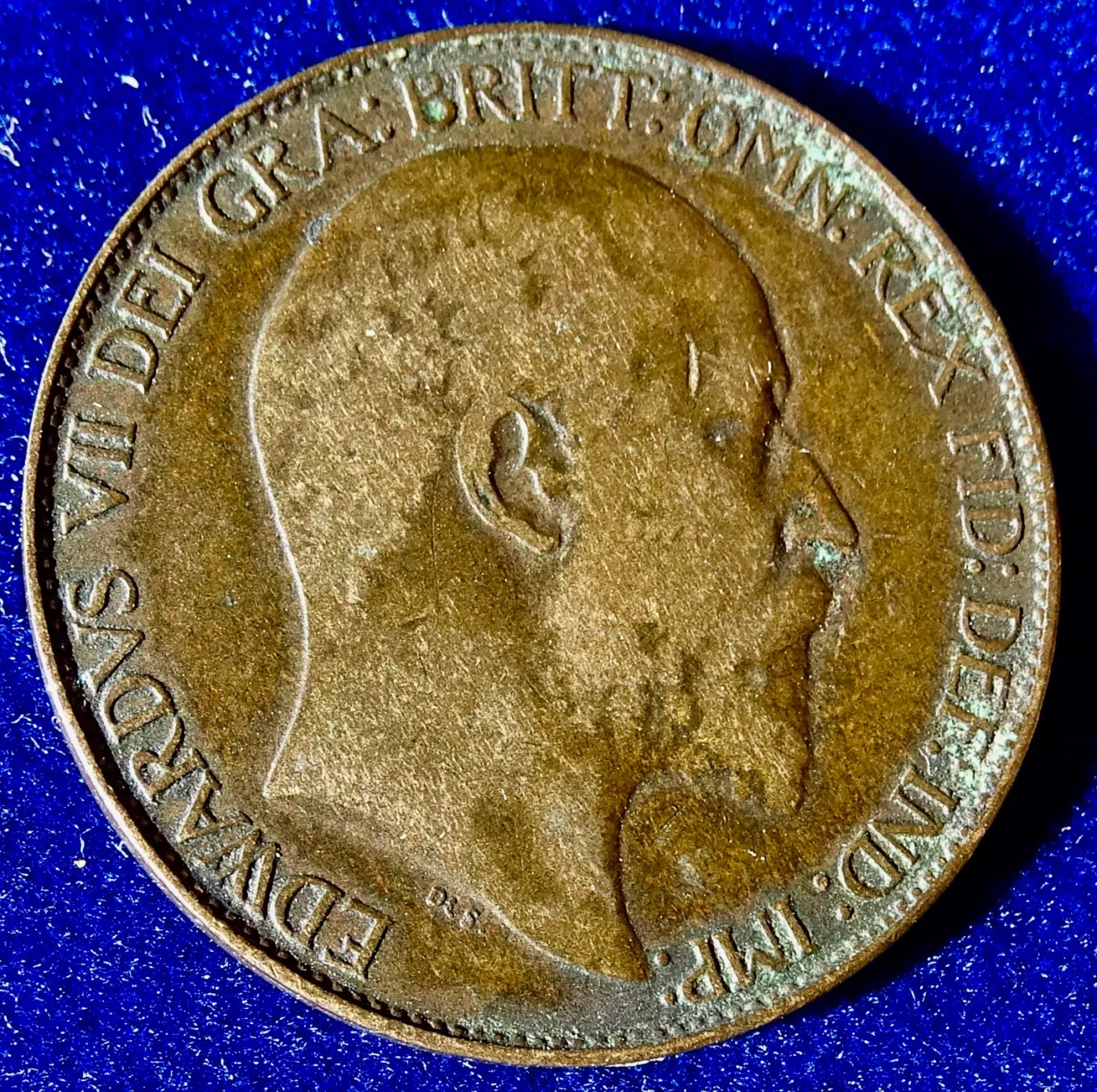
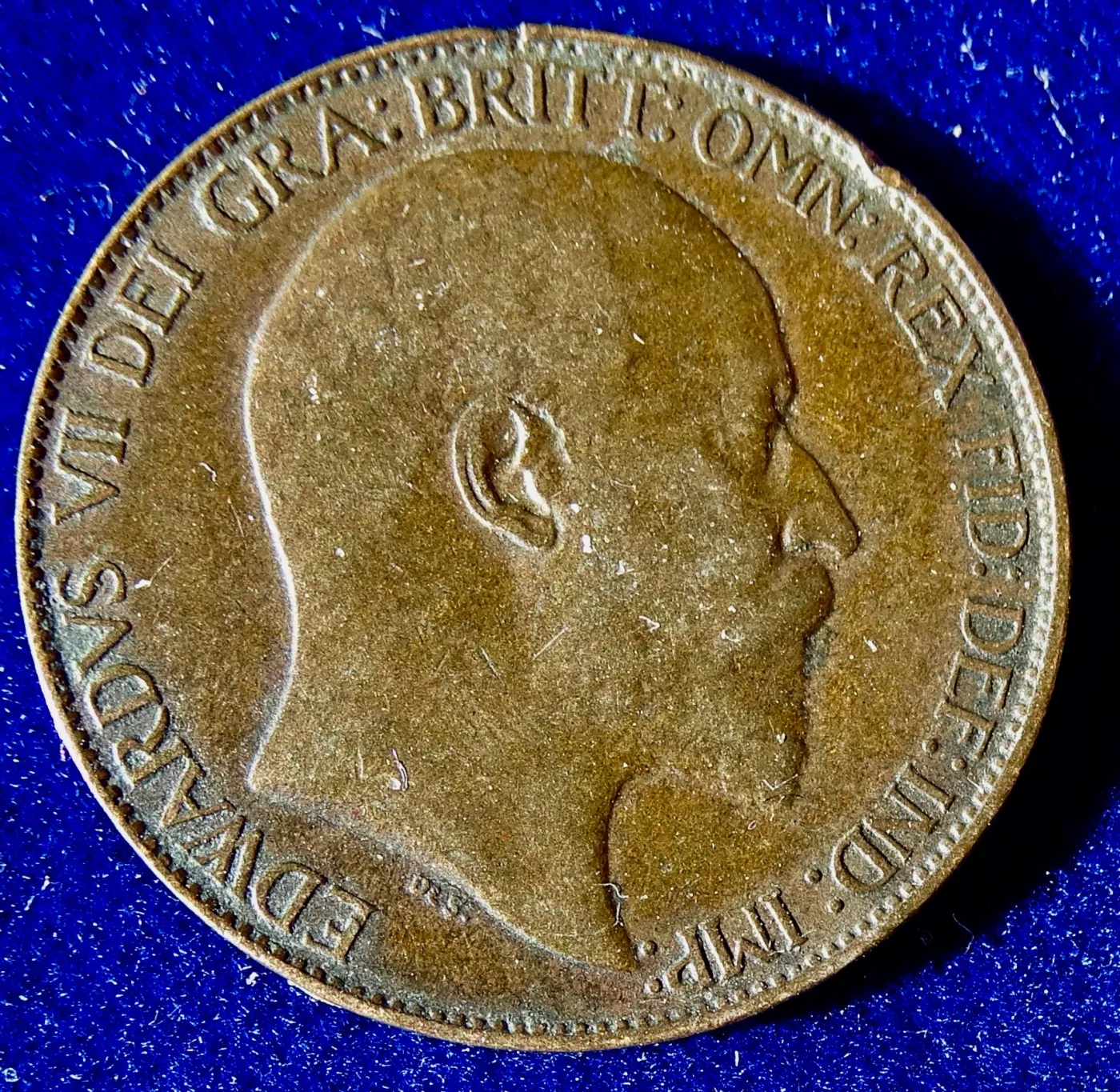
Similar to machine doubling, abrasion doubling comes from the die’s contact with the coin during ejection, scraping a low secondary edge onto the design. Again: flat and shaved, not raised and rounded.
Post-Mint Damage and Wear
Finally, ordinary damage — a coin that was struck against another coin, pressed, or altered after leaving the Mint — can create doubled-looking artifacts. These lack the clean, consistent, die-based character of hub doubling. The general principles for separating mint-made features from after-the-fact damage are covered in the counterfeit detection guide, and they apply directly here: genuine varieties are consistent and die-based, while damage is random and coin-specific.
Famous Doubled Dies by Date
A handful of doubled dies are so famous that every collector should know them by heart. These are the coins that drive people to check their change, and they anchor the value scale for the whole variety-collecting hobby. Nearly all of the celebrities are Lincoln cents.
1955 Doubled Die Obverse Cent
The king. The 1955 Doubled Die Lincoln cent shows strong, dramatic, naked-eye doubling on the date and on “LIBERTY” and “IN GOD WE TRUST.” Roughly 20,000–24,000 escaped into circulation — famously, many went out in cigarette packs, where coin rolls were used as packing weight in the Northeast. Genuine examples run from around $1,000 in well-worn grades to $15,000 and up in Mint State, and this coin, more than any other, created the popular fascination with doubled dies. It belongs to the beloved Lincoln Wheat Penny series, where it reigns as the celebrated variety.
1969-S Doubled Die Obverse Cent
The rarest and most valuable of the group. The 1969-S Doubled Die shows bold doubling on “LIBERTY” and the date, but genuine examples are extraordinarily scarce because the doubled die was caught and destroyed early — only a few dozen are known. Authenticated pieces bring tens of thousands of dollars, and because the coin is so valuable, fakes and altered coins abound; certification is absolutely essential. Note the strong doubling must be true hub doubling on a genuine 1969-S, not the machine doubling common on cents of that era.
1972 Doubled Die Obverse Cent
The most findable of the dramatic classics. The 1972 Doubled Die Obverse (Memorial reverse) shows bold doubling on “LIBERTY,” “IN GOD WE TRUST,” and the date. Several thousand were struck and released, so it is genuinely collectible without being a six-figure rarity, typically bringing a few hundred to a few thousand dollars by grade. It is part of the Lincoln Memorial Cent series and is the doubled die most beginners realistically hope to find.
1983 Doubled Die Reverse Cent
A standout DDR. The 1983 Doubled Die Reverse Lincoln cent shows strong doubling on the reverse lettering — “ONE CENT,” “E PLURIBUS UNUM,” and “UNITED STATES OF AMERICA.” It is one of the best reverse doubled dies of the modern era and a favorite among collectors who work the Memorial reverse.
1984 Doubled Ear Cent
A charming and distinctive variety: the 1984 “Doubled Ear” Lincoln cent shows a clearly doubled earlobe on Lincoln’s portrait, along with doubling in the beard. Its unusual location — right on Lincoln’s ear — makes it easy to spot and popular with collectors.
1995 Doubled Die Obverse Cent
The one that put doubled dies back in the headlines. The 1995 Doubled Die Obverse shows strong doubling on “LIBERTY” and “IN GOD WE TRUST,” and — crucially — huge numbers entered circulation and were found in pocket change and rolls, sparking a media frenzy. It remains one of the most findable significant doubled dies, usually worth a modest but real premium (roughly $20–$60 in circulated grades, more in high Mint State). It is a perfect first doubled die for a new collector to hunt.
Older and Classic-Series Doubled Dies
Doubled dies existed long before the Lincoln cent. Nineteenth-century series show dramatic examples, and overdates — where one date was punched over another in the die — are a closely related die variety found across early coinage. You will find famous doubled dies, repunched dates, and overdates discussed in the individual series guides, from the Morgan Silver Dollar VAM varieties to the doubled dies noted on the Buffalo Nickel and across the Jefferson and Washington series.
Doubled Dies Beyond the Cent
Because the Lincoln cent hogs the spotlight, many collectors assume doubled dies are a “penny thing.” In fact, doubled dies occur on every denomination — they are simply less famous and, on higher-value coins, less commonly the primary reason a coin is collected.
Nickels, Dimes, Quarters, and Halves
Jefferson nickels, Roosevelt dimes, Washington quarters, and Kennedy halves all have listed doubled dies. The modern state quarter program produced a wave of collectible doubled dies — the 2004-2005 Wisconsin, Minnesota, and other state quarters are famous for varieties, many of them doubled dies and die gouges. The Washington Quarter guide and the Jefferson Nickel guide cover the notable doubled dies and varieties on those series.
Silver Dollars and the VAM Connection
On Morgan and Peace dollars, die varieties are catalogued under the specialized VAM system (Van Allen–Mallis), which includes doubled dies, doubled dates, and doubled design elements among hundreds of listed varieties. The famous “Hot 50” and “Top 100” VAMs include several dramatic doubled dies and doubled-date coins. Serious dollar collectors attribute their coins by VAM number exactly as cent collectors use FS numbers.
Why Cents Dominate Anyway
Cents dominate doubled die collecting for practical reasons: billions were struck, they circulated freely, the multiple-squeeze era coincided with the Lincoln design’s long run, and they are cheap enough that finding a valuable variety in change is a realistic dream. But if you collect any series, it is worth learning that series’ listed doubled dies — the premiums can be substantial and the coins are often overlooked.
Attribution: FS Numbers and Variety References
Serious doubled die collecting revolves around attribution — matching your coin to a specific, catalogued variety with a reference number. Attribution is what separates “a coin with some doubling” from “an FS-101 1972 Doubled Die,” and it is what the market and the grading services recognize.
The Cherrypickers’ Guide and FS Numbers
The most widely used reference is the Cherrypickers’ Guide to Rare Die Varieties, which assigns each listed variety an “FS” number (for example, FS-101, FS-102). The FS system numbers the varieties for each date and denomination so collectors and dealers can identify exactly which doubled die a coin is. When a grading service attributes a variety on its label, it typically cites the FS number.
Specialist References
Beyond the Cherrypickers’ Guide, specialist resources catalog doubled dies in exhaustive detail: the Wexler doubled die files, the coppercoins.com Lincoln cent die-variety listings, the VAM references for Morgan and Peace dollars, and various club and online databases. These provide photographic diagnostics for each variety so you can compare your coin element-for-element against the documented doubling.
How to Attribute Your Coin
To attribute a suspected doubled die: identify the date, mint mark, and face (DDO or DDR); note exactly where the doubling appears and in which direction it is shifted; then compare against the published photos and descriptions for that date’s listed varieties. If your coin matches a listed variety element-for-element, you have that variety. If it does not match any listed variety, it is most likely machine doubling, die deterioration, or an unlisted (and usually unmarketable) minor anomaly.
Grading and Certifying Doubled Dies
Doubled dies are graded like any coin — on the Sheldon 1–70 scale for wear and surface preservation — but with the added, crucial step of variety attribution.
Condition Plus Attribution
A certified doubled die carries both a numeric grade and a variety attribution on the label (for example, “1972 1C Doubled Die Obverse FS-101, MS-64 RD”). The condition standards are identical to those for any coin of that type; for an introduction to the underlying grading scale used across all U.S. coins, see the coin grading guide. For doubled dies, however, the attribution is often the bigger driver of value than the grade — a well-worn genuine 1955 Doubled Die is worth far more than a pristine ordinary 1955 cent.
Why Certification Matters Especially Here
Third-party certification (PCGS, NGC, or ANACS) is especially important for doubled dies for three reasons. First, it confirms the coin is genuine and not altered or damaged. Second, it confirms the doubling is real hub doubling, not machine doubling — the grading service will not attribute a variety that is merely machine doubled. Third, it provides the specific FS attribution the market recognizes. For any doubled die worth more than a modest sum — and certainly for the famous rarities — certification is effectively required for resale and for protection against fakes.
When Raw Is Fine
For common, low-premium doubled dies (a minor listed variety worth $10–$30), certification often costs more than the coin is worth, and keeping it raw in an inert holder is sensible. The rule of thumb mirrors the rest of error collecting: if a genuine, attributed example would sell for a few hundred dollars or more, certify it; below that, raw is usually fine.
What Doubled Dies Are Worth
Doubled die values span an enormous range — from a couple of dollars for a minor modern variety to six figures for a top-condition 1969-S. Value depends on the drama of the doubling, the rarity of the specific die, the date and denomination, the grade, and authentication. The figures below are 2026 retail ranges for genuine, attributed examples; machine-doubled and damaged look-alikes are worth no premium at all.
The Famous Cents
- 1955 Doubled Die Obverse: ~$1,000 in low circulated grades to $15,000+ in Mint State
- 1969-S Doubled Die Obverse: ~$25,000 to $100,000+ (extreme rarity; certification essential)
- 1972 Doubled Die Obverse (FS-101): ~$300 to $3,000+ by grade
- 1983 Doubled Die Reverse: ~$150 to $1,500+ by grade
- 1984 Doubled Ear: ~$100 to $500+ by grade
- 1995 Doubled Die Obverse: ~$20 to $60 circulated, $100+ in high Mint State
What Drives the Range
- Strength of the doubling: A bold, widely spread doubled die beats a faint one dramatically.
- Rarity of the specific die: A die caught and destroyed early (1969-S) yields a great rarity; a die that struck coins for a long run (1972, 1995) is more findable and cheaper.
- Grade and color: On copper cents, the Red (RD), Red-Brown (RB), and Brown (BN) designations and the numeric grade move value substantially in Mint State.
- Attribution and certification: A certified, FS-attributed coin sells for a premium over a raw “I think it’s a doubled die.”
The Honest Bottom Line
Most doubled dies are worth a modest premium; a few are worth life-changing money; and the difference between a genuine famous doubled die and a worthless machine-doubled look-alike is enormous. That gap is precisely why careful identification and, for valuable pieces, professional authentication matter so much. Before assuming your coin is the rare one, confirm the hub-doubling diagnostics, match it to a listed variety, and — if it clears those hurdles — get it certified.
Finding Doubled Dies
The best part of doubled die collecting is that the hunt is genuinely real. Unlike most rare coins, valuable doubled dies still hide in circulation, in bank rolls, and in inherited accumulations — which is exactly why the hobby is so beloved.
Roll Hunting and “Cherrypicking”
“Roll hunting” — buying rolls or boxes of cents from the bank, searching them, and returning the rest at face value — is the classic way to find doubled dies. “Cherrypicking” is the art of finding an unattributed doubled die in a dealer’s junk box or a common-date roll, buying it for the price of a common coin, and attributing it yourself. Patient searchers genuinely find the 1972, 1995, 1983 DDR, 1984 doubled ear, and modern varieties this way.
What to Check First
Train your eye on the known dates and elements: check every 1955, 1969-S, 1972, and 1995 cent’s “LIBERTY” and date for bold, raised, notched doubling; check 1983 cents’ reverse lettering; check 1984 cents’ ear. Use a good 10x loupe or a digital microscope and strong, angled light. Keep the machine-doubling-versus-hub-doubling distinction firmly in mind before you get excited about any “doubling” — the vast majority of what you find will be machine doubling, and that is normal.
Buying Doubled Dies
Most collectors buy the majority of their doubled dies rather than finding them. Buy certified, FS-attributed examples of the valuable varieties from reputable dealers and auctions; buy raw minor varieties from variety specialists who stand behind their attributions. Join the variety-collecting community — the doubled die and variety clubs, forums, and online databases — to sharpen your diagnostics and learn which coins to hunt.
Handling and Storage
Doubled dies follow the same preservation rules as any coin, and copper cents are especially reactive. Never clean them — cleaning destroys value and can obscure the very diagnostics that prove a doubled die is genuine. Keep them out of PVC flips, store them in inert holders, control humidity for copper, and certify and slab the valuable pieces. The full preservation playbook is in the coin cleaning and preservation guide.
Frequently Asked Questions
What is a doubled die coin?
A doubled die coin is struck from a working die that carries a doubled image of the design, created during die manufacture when the die received more than one impression from the hub at slightly different alignments. Because the doubling is in the die, every coin struck from it shows the identical doubling. The result is a collectible variety — famous examples include the 1955, 1969-S, 1972, and 1995 Lincoln cents.
What is the difference between a doubled die and machine doubling?
A doubled die is created during die manufacture and shows two complete, raised, rounded images with real separation, notched corners, and split serifs — and it can be valuable. Machine doubling happens at the moment of striking when the die shifts, producing a flat, low, shelf-like smear with no true second image — and it is worthless. The simplest test: hub doubling has height (a full raised second image); machine doubling has a flat shelf. The famous doubled dies are dramatic and visible to the naked eye.
Is it "doubled die" or "double die"?
The correct term is "doubled die" — the die has been doubled. "Double die" is a common informal spelling, and people searching either way mean the same thing, but "doubled die" (and its abbreviations DDO for obverse and DDR for reverse) is the term used in references, on grading labels, and by serious collectors.
How much is a 1955 doubled die penny worth?
A genuine 1955 Doubled Die Obverse cent typically brings around $1,000 in well-worn circulated grades and $15,000 or more in Mint State, depending on grade and color. It shows strong, naked-eye doubling on the date, "LIBERTY," and "IN GOD WE TRUST." Because of its value, any 1955 Doubled Die should be authenticated — beware machine-doubled 1955 cents and altered coins, which are worth no premium.
What is the most valuable doubled die?
Among widely collected U.S. doubled dies, the 1969-S Doubled Die Obverse Lincoln cent is the most valuable, with authenticated examples selling for tens of thousands of dollars — because the doubled die was caught and destroyed early, only a few dozen are known. The 1955 Doubled Die is the most famous, and the 1972 and 1995 are the most findable. Most doubled dies, by contrast, are worth only a modest premium.
Are doubled dies still found in circulation today?
Yes. Doubled dies genuinely still turn up in pocket change and bank rolls — the 1972, 1983 DDR, 1984 doubled ear, 1995, and various modern state quarter and cent varieties are all findable by patient searchers. Roll hunting cents is the classic way to look. Just remember that most "doubling" you find will be worthless machine doubling, so learn the hub-doubling diagnostics before you get excited.
Why do modern doubled dies look different from the 1955?
Because the minting process changed. The classic doubled dies (1955, 1969-S, 1972) came from a multiple-squeeze hubbing process, where a misaligned second impression created bold, rim-spread doubling. Around the late 1990s the Mint switched to single-squeeze hubbing, and modern doubled dies now come from slight rotation during the die's initial contact with the hub — producing subtler, tighter doubling concentrated near the center of the design rather than the dramatic spread of the older varieties.
How do I attribute my doubled die?
Identify the date, mint mark, and whether the doubling is on the obverse (DDO) or reverse (DDR); note exactly where the doubling appears and which direction it is shifted; then compare your coin against published photos and descriptions in a reference like the Cherrypickers' Guide (which assigns "FS" numbers) or specialist databases. If your coin matches a listed variety element-for-element, you have that variety. If it matches nothing, it is most likely machine doubling or die deterioration.
Should I get my doubled die certified?
Certify it if a genuine, attributed example would sell for a few hundred dollars or more, or if it is one of the famous rarities — certification confirms authenticity, confirms the doubling is true hub doubling rather than machine doubling, provides the FS attribution the market recognizes, and is effectively required for resale of valuable pieces. For common, low-premium varieties, certification usually costs more than the coin is worth, so raw is fine.
Can the Coin Identifier app help me identify a doubled die?
The app helps you quickly identify a coin's type, date, mint, and likely value, which is the essential first step before evaluating any suspected variety. For confirming a specific doubled die, you should still examine the coin under magnification for the hub-doubling diagnostics (raised, rounded doubling with notching and split serifs), compare it against documented varieties by date, and submit valuable pieces to PCGS or NGC for attribution — but identifying the base coin correctly is where the process starts.