1991 Penny With No Mint Mark: What It Is and What It's Worth
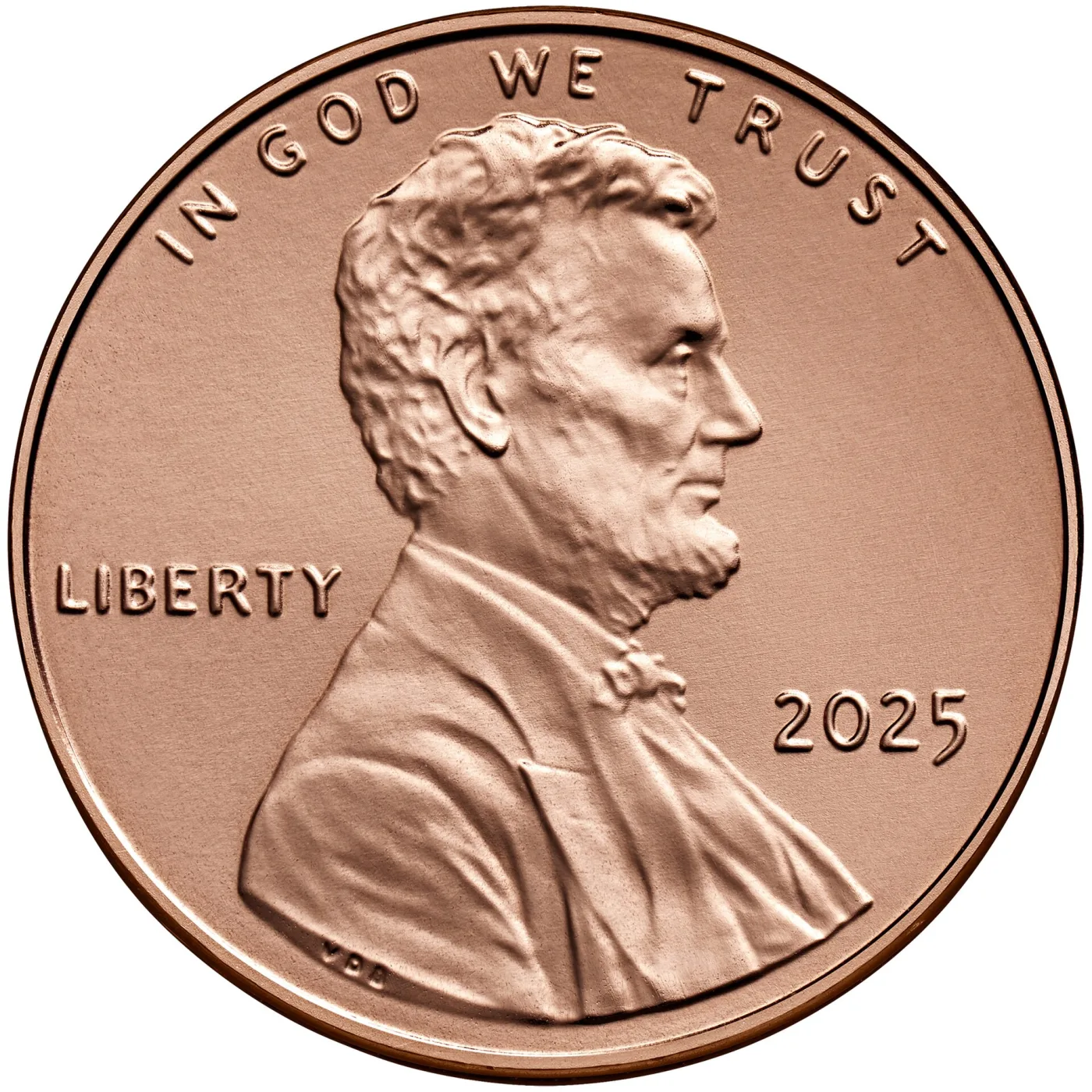
A 1991 penny with nothing under the date is one of the most searched coins in any jar of change, and the answer is almost always the same: it was made in Philadelphia, which did not put a mint mark on its cents. It is not missing anything, and it is not an error.
That does not make every 1991 cent worthless. The year produced three different coins from three mints, a handful of certified examples have sold for thousands of dollars, and genuine mint errors from 1991 do exist. This guide covers how to tell the three apart, what a normal one weighs, and which of the rare exceptions are worth a closer look.
The Three Cents of 1991
Three mints struck Lincoln cents dated 1991, and the mint mark (or the lack of one) below the date tells you which.
| Coin | Mint mark | Mint | Struck | Made for |
|---|---|---|---|---|
| 1991 | none | Philadelphia | 5,165,940,000 | Circulation |
| 1991-D | D | Denver | about 4.16 billion | Circulation |
| 1991-S | S | San Francisco | 2,867,787 | Proof sets only |
The Philadelphia figure is the same across PCGS, the Greysheet price guide and Collector’s Key. The Denver figure is not: CoinWeek, Collector’s Key and lincolncents.net give 4,158,442,076, while Greysheet and Numista give 4,158,446,076. The two numbers differ by 4,000 out of more than four billion, so this guide rounds to about 4.16 billion, which is true either way.
Together the two circulation mints made more than nine billion cents dated 1991. That number explains nearly everything about what the coin is worth.
Why There Is No Mint Mark
Philadelphia has always been the exception in American mint marks. The other mints marked their cents with a D or an S; Philadelphia struck its cents with no letter at all. The single exception is the 2017-P cent, which carried a P for one year to mark the Mint’s 225th anniversary and was released without announcement. Cents from 2018 on went back to having no mint mark.
So the question to ask of a 1991 cent with a blank space below the date is not “where did the mint mark go” but “which mint left it off on purpose”. The answer is Philadelphia.
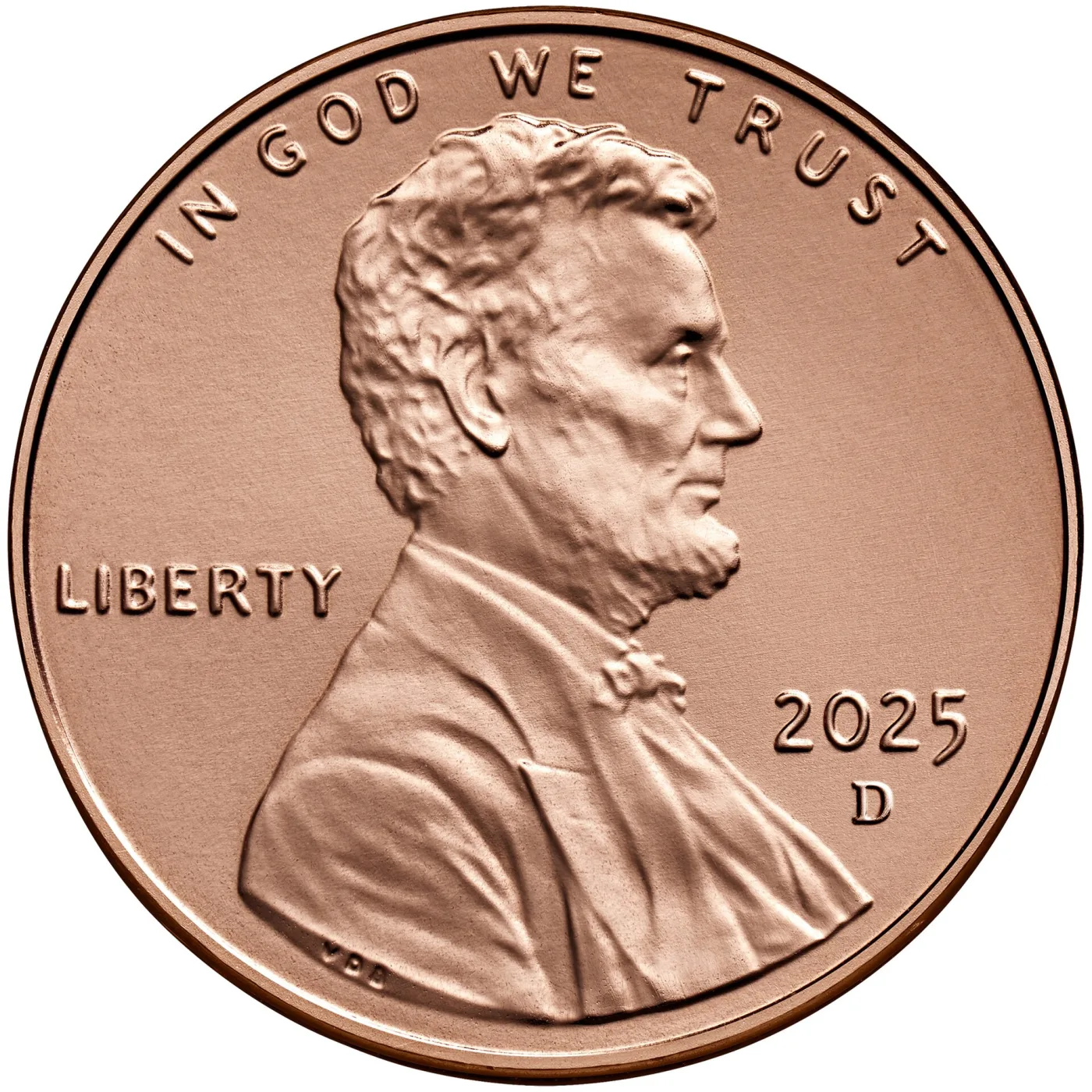
Look for the letter under the date, between the date and the rim. On a worn coin the D can be soft, so tilt the cent under a single light and use a loupe before concluding it is blank. The general placement rules for every US series are in our guide to mint marks.
How to Identify a 1991 Cent
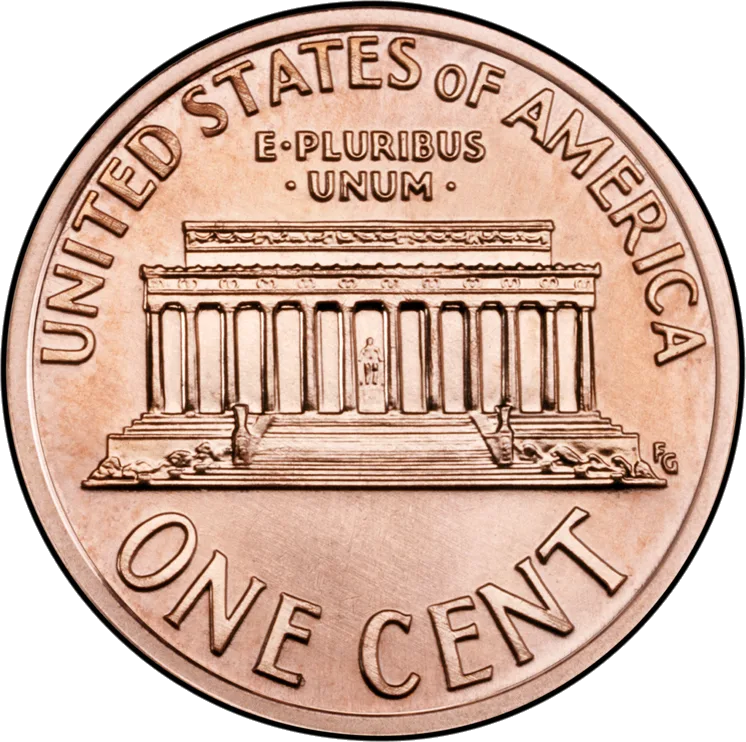
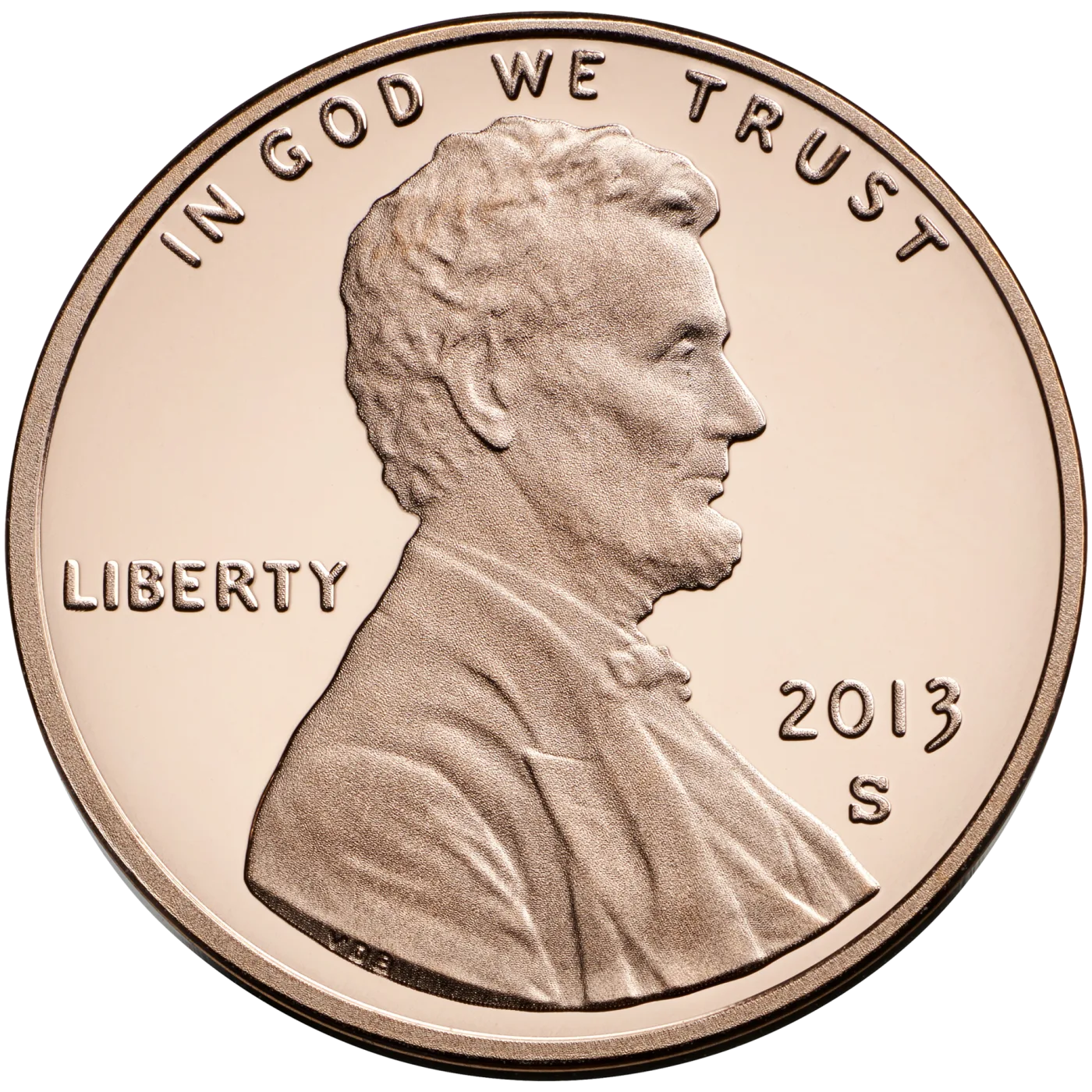
Every 1991 cent shares the same design. The obverse is Victor David Brenner’s portrait of Lincoln, in use since 1909; the reverse is Frank Gasparro’s Lincoln Memorial, introduced in 1959 and used until 2008. Gasparro’s initials, FG, sit at the lower right of the Memorial building.
The specifications are the ones that matter if you own a scale:
- Composition: copper-plated zinc, 97.5% zinc and 2.5% copper overall
- Weight: 2.5 grams
- Diameter: 19.05 mm
- Edge: plain
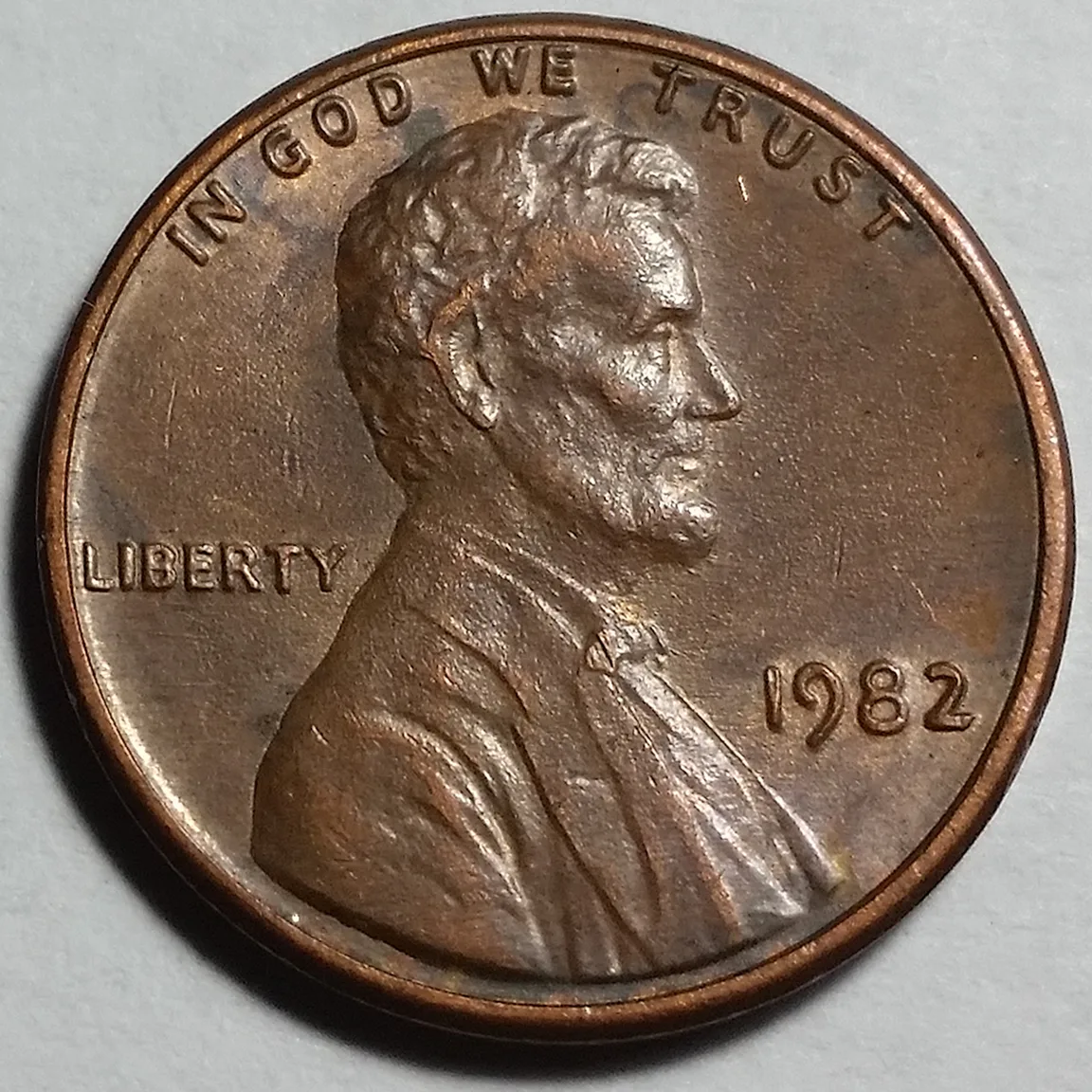
The zinc core dates from 1982, when rising copper prices pushed the Mint off the old 95% copper alloy partway through the year. Cents made before the switch weigh about 3.11 grams. A 1991 cent is always the lighter zinc type: there are no copper 1991 cents to find. Our Lincoln Memorial cent guide covers the 1982 transition in detail.

What a 1991 Penny Is Worth
Most 1991 cents are worth exactly one cent. Collector’s Key prices circulated grades at face value, and CoinWeek says a circulated 1991-D carries no collectible premium. With more than nine billion struck, there is no shortage to drive the price up.
Uncirculated coins are common too. Collector’s Key describes the 1991 as common in all grades, and PCGS calls the 1991-D common even at Superb Gem. The value only arrives at the very top of the grading scale, where finding a cent with almost no marks is the scarce part:
| Coin and grade | Sale | Price |
|---|---|---|
| 1991-D, PCGS MS69 Red | Heritage, February 25, 2022 | $11,400 |
| 1991-D, PCGS MS69 Red | GreatCollections, April 2, 2023 | $4,050 |
Both sales are listed in PCGS CoinFacts and in CoinWeek’s guide to the 1991-D. The gap between them is a reminder that a handful of registry-set buyers make this market, and prices at this level move with who is bidding.
The grade label also carries a color designation: Red (RD), Red-Brown (RB) or Brown (BN). Those prices are for Red coins, which keep nearly all their original copper color. A toned or brown coin in the same numeric grade is worth far less. If you have a bright, unmarked 1991 cent from an original roll, it may be worth sending in. Our guide to third-party grading explains the process. A coin from pocket change almost never is.
The 1991-S Proof
The 1991-S was struck only as a proof for the Mint’s proof sets, with mirror-like fields and frosted design. It was never released for circulation, so a 1991-S found in change has been taken out of a set. Proofs are graded on a separate scale, and the proof coins guide covers how to tell a proof from a business strike.
1991 Penny Errors: Real and Imagined
Neither 1991 cent has a famous variety. Collector’s Key records no varieties for the Philadelphia coin, and CoinWeek lists no catalogued errors or varieties for the 1991-D. A 1991 cent described online as a “doubled die” should be treated with suspicion until a grading service has attributed it.
What does exist are the generic mint errors that can happen in any year:
- Struck on a dime planchet. A cent struck on a clad dime blank weighs about 2.27 grams instead of 2.5, and the dime blank is smaller than a cent, so part of the design runs off the edge. Certified examples from other years sell in the hundreds of dollars or more, depending on the date and grade.
- Off-center strikes. Part of the design is missing because the blank sat out of position in the press. The larger the miss, as long as the date still shows, the higher the value.
- Other strike and planchet errors, such as clipped planchets and broadstrikes, which our error coins guide catalogues.
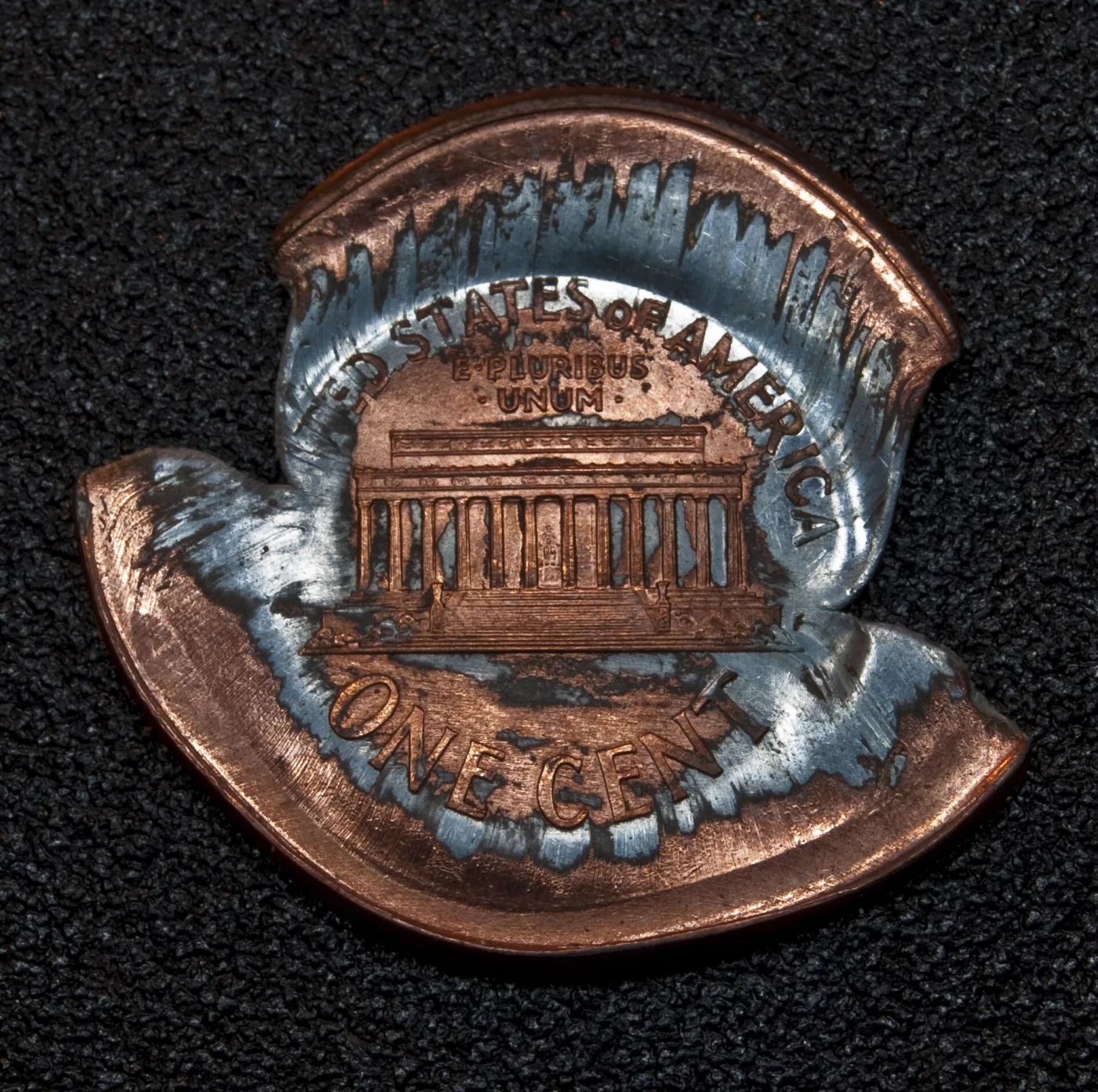
Most “errors” found in a 1991 cent are damage. Scratches, gouges, discoloration, and plating that has worn or flaked happen after the coin leaves the Mint and add nothing to its value. A real error is part of how the coin was struck: the design moves with it. A scale is the quickest first test. A cent that weighs exactly 2.5 grams and has its full design is almost always a normal coin.
Before You Do Anything With It
Do not clean it. Cleaning strips the original surface, turns a Red coin into a “details” grade, and destroys most of whatever premium it might have had. Our guide to cleaning and preservation explains why.
Hold a promising coin by the edge, keep it in an inert flip or holder, and weigh it before deciding whether it is worth grading. For a 1991 penny from change, the most likely outcome is that you have a normal Philadelphia cent worth one cent. The rare exceptions are the ones that fail the scale test or look nearly flawless.
Frequently Asked Questions
Is a 1991 penny with no mint mark rare?
No. A 1991 cent without a mint mark was struck at the Philadelphia Mint, which did not put a mint mark on its cents in 1991. Philadelphia made 5,165,940,000 of them, more than any other 1991 cent. In circulated condition it is worth one cent.
Why doesn't my 1991 penny have a mint mark?
Because Philadelphia cents traditionally carry no mint mark at all. The only Lincoln cent ever struck with a P is the 2017-P, a one-year issue for the Mint's 225th anniversary. A blank space below the date on a 1991 cent is normal, not a missing-mint-mark error.
How much is a 1991-D penny worth?
In circulated condition, one cent. Denver struck about 4.16 billion 1991-D cents, and they are common even in high Mint State grades. Only the very finest certified examples carry real money: PCGS MS69 Red 1991-D cents have sold for $11,400 at Heritage in February 2022 and $4,050 at GreatCollections in April 2023.
How much should a 1991 penny weigh?
About 2.5 grams. From 1982 on, cents are made of copper-plated zinc, 97.5% zinc and 2.5% copper overall, and measure 19.05 mm across. A 1991 cent that weighs about 2.27 grams may have been struck on a dime planchet, a genuine and valuable error worth having authenticated.
Are there any valuable 1991 penny errors?
Neither the 1991 nor the 1991-D has a widely catalogued doubled die or other named variety. Real value comes from generic mint errors that can happen in any year, such as off-center strikes or a cent struck on a dime planchet, and those are worth authenticating. Damage, discoloration and worn plating are not errors.